

Understanding Carbon Monoxide Risks
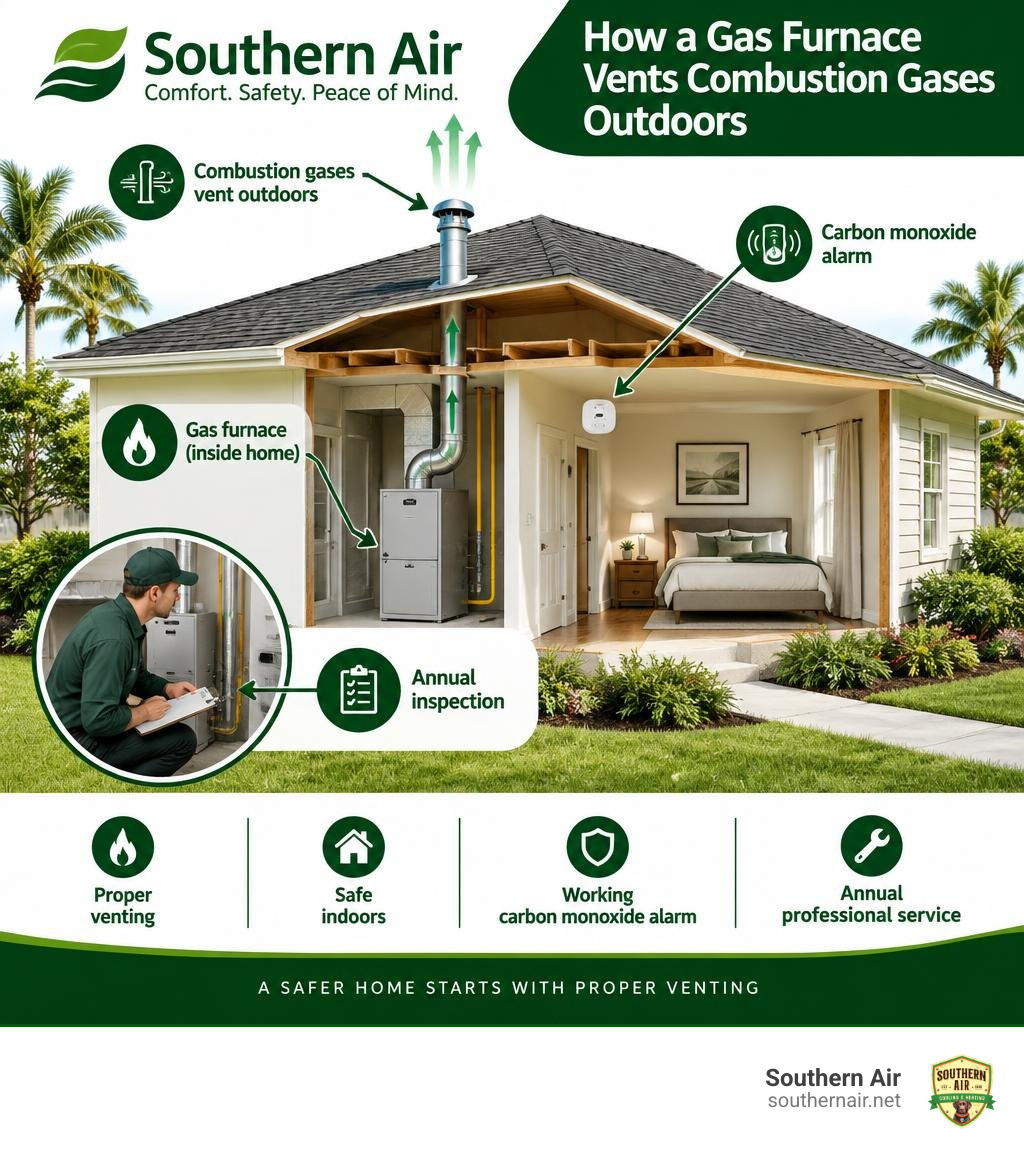
Furnace carbon monoxide safety starts with knowing that carbon monoxide is an odorless, colorless gas that can cause sudden illness and death. Gas-burning furnaces are among the household sources of carbon monoxide, so proper venting and yearly professional service matter before Northeast Florida heating season begins. Carbon monoxide is produced when fuel burns, and a gas furnace that is operating properly directs combustion gases outside through its venting system. Problems with venting, burners, or other sealed furnace components can create a safety concern and require professional inspection.
The CDC carbon monoxide guidance lists headache, dizziness, weakness, upset stomach, vomiting, chest pain, and confusion as common symptoms. These symptoms can feel flu-like, and people who are sleeping can die before they experience symptoms. Infants, older adults, and people with chronic heart disease, anemia, or breathing problems may be more likely to become ill.
If people or pets in the home develop flu-like symptoms, leave the home and treat the situation seriously. Because a CO alarm can signal danger, symptoms or an alarm require immediate action. Do not troubleshoot the furnace before everyone and pets are safely outside.
How Furnace Problems Can Create a Safety Concern
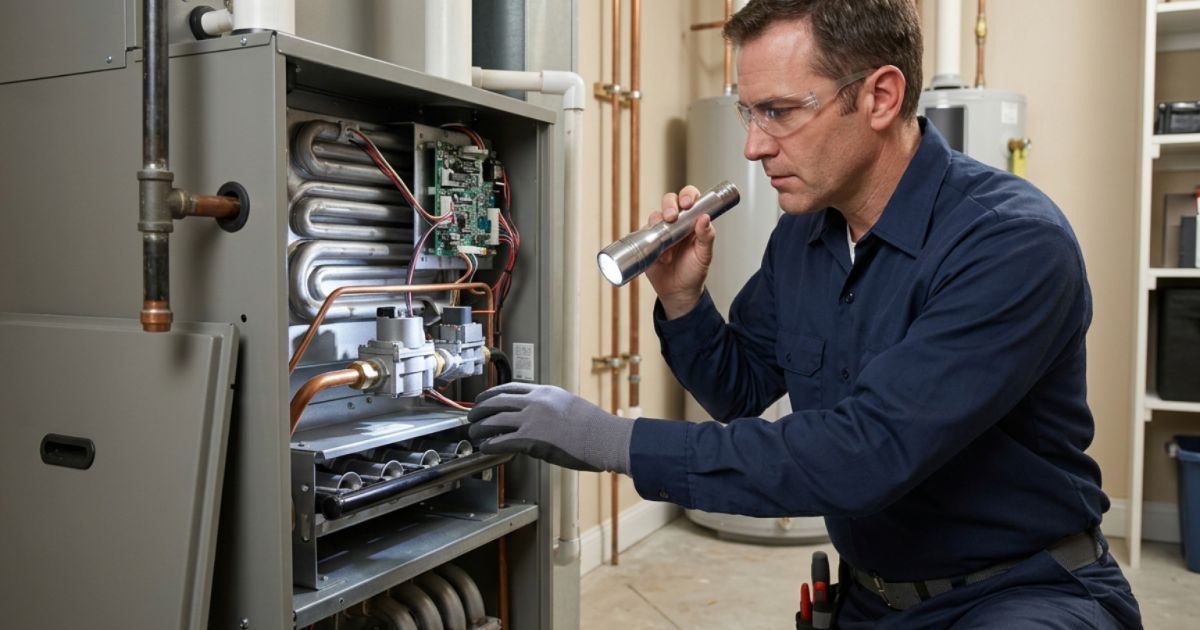
Inside a gas furnace, the heat exchanger keeps combustion byproducts apart from air delivered indoors. If it cracks, that separation can fail and create a serious carbon monoxide concern. The EPA carbon monoxide guidance identifies leaking chimneys and furnaces as potential sources. Our technician checks this condition during a professional carbon monoxide safety inspection.
The vent and flue form the route that directs combustion gases safely outside the home. If either is blocked, disconnected, or leaking, those gases may not leave as intended. EPA also identifies back-drafting from furnaces as a potential carbon monoxide source. A blocked or loose flue is one of the first things our technician looks at.
Burners that are not burning cleanly can signal a combustion concern inside the furnace. EPA also lists worn or poorly adjusted and maintained furnaces among potential sources. Do not adjust burners or gas components, because our technician checks this during service.
Do not operate the furnace if a heat-exchanger problem is suspected. Southern Air Cooling & Heating can determine whether repair or replacement is needed after an inspection. Leaving the system off avoids using it before the concern is resolved.
Furnace Carbon Monoxide Safety: Prevention Steps
Carbon monoxide alarms provide an early warning, but they do not replace proper furnace maintenance. Use a listed CO alarm and follow the manufacturer’s instructions for installation and replacement. They remain an important part of a broader furnace safety plan for homeowners.
Where to Install and Test Carbon Monoxide Detectors
For protection while household members sleep, the CDC advises using battery-operated or battery-backup CO detectors near each sleeping area. Use the manufacturer’s placement guide to select the right spot, and leave each alarm uncovered and unpainted so it can work as intended. Everyone in the home should recognize the difference between an alarm signal and a low-battery chirp, so a possible emergency receives immediate attention.
Regular testing helps confirm that a CO alarm is ready to warn the household. Check its batteries in spring and fall, and replace the device as directed in its manufacturer’s instructions. If the alarm needs attention, use its instructions instead of disabling it or treating the sound as unimportant.
Immediate Actions During an Alarm or Suspected Leak
If a CO alarm sounds or anyone feels possible carbon monoxide symptoms, treat it as an emergency. Leave the home rather than trying to determine the cause inside. The steps below explain what to do next:
- Get outside: Take everyone and pets outside into fresh air immediately.
- Call 911 outside: Call 911 after leaving the home.
- Stay out: Do not go back inside until emergency responders say it is safe.
- Keep the furnace off: Do not run the furnace again until our technician inspects it.
Do not attempt work on furnace components involving gas, electricity, venting, or sealed areas. After an alarm or suspected leak, leave the furnace off until it receives professional inspection. Our technician can inspect the system and explain the appropriate next step.
Simple Prevention and Fall Maintenance
Simple homeowner care can support safer heating before cooler weather arrives in Palatka. Review this pre-season checklist before scheduling service. In addition, schedule service before the first cool nights make heat necessary.
Why Fall Is the Right Time to Check
In Northeast Florida, furnaces can sit unused through the long cooling season. The first cool nights are often when an issue becomes noticeable, just as the home needs dependable heat. Scheduling a fall tune-up before heat is needed gives Southern Air Cooling & Heating time to inspect the system and explain any safety concern without waiting for colder weather.
Safe Homeowner Checks
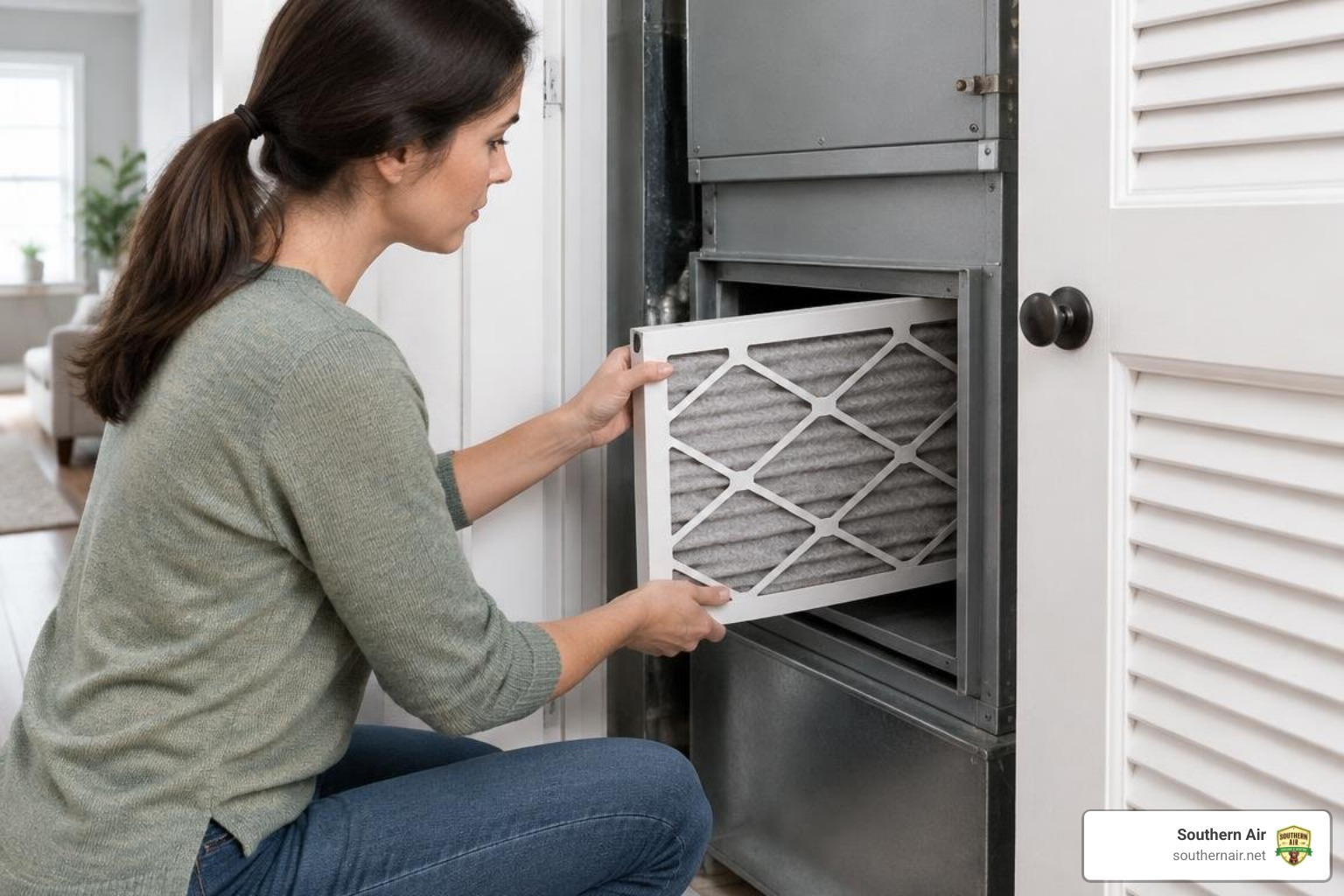
These checks support carbon monoxide safety without asking homeowners to work on furnace components. They focus on alarms, airflow, and keeping the furnace area accessible for professional service. Book service when maintenance is due or whenever a safety concern appears:
- Test CO alarms: Test CO alarms and check their batteries each spring and fall.
- Clear the furnace closet: Keep stored items away from the furnace closet.
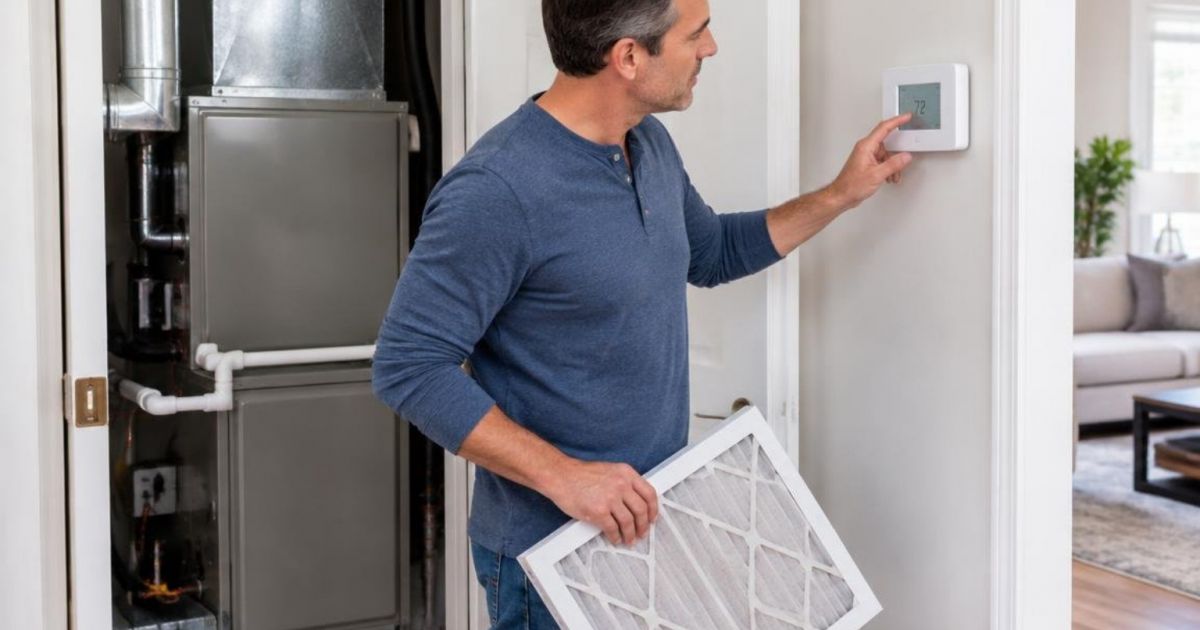
- Keep vents uncovered: Leave supply and return vents open and unobstructed.
- Book yearly maintenance: Schedule a yearly furnace maintenance visit before heating season begins.
What a Carbon Monoxide Safety Inspection Covers
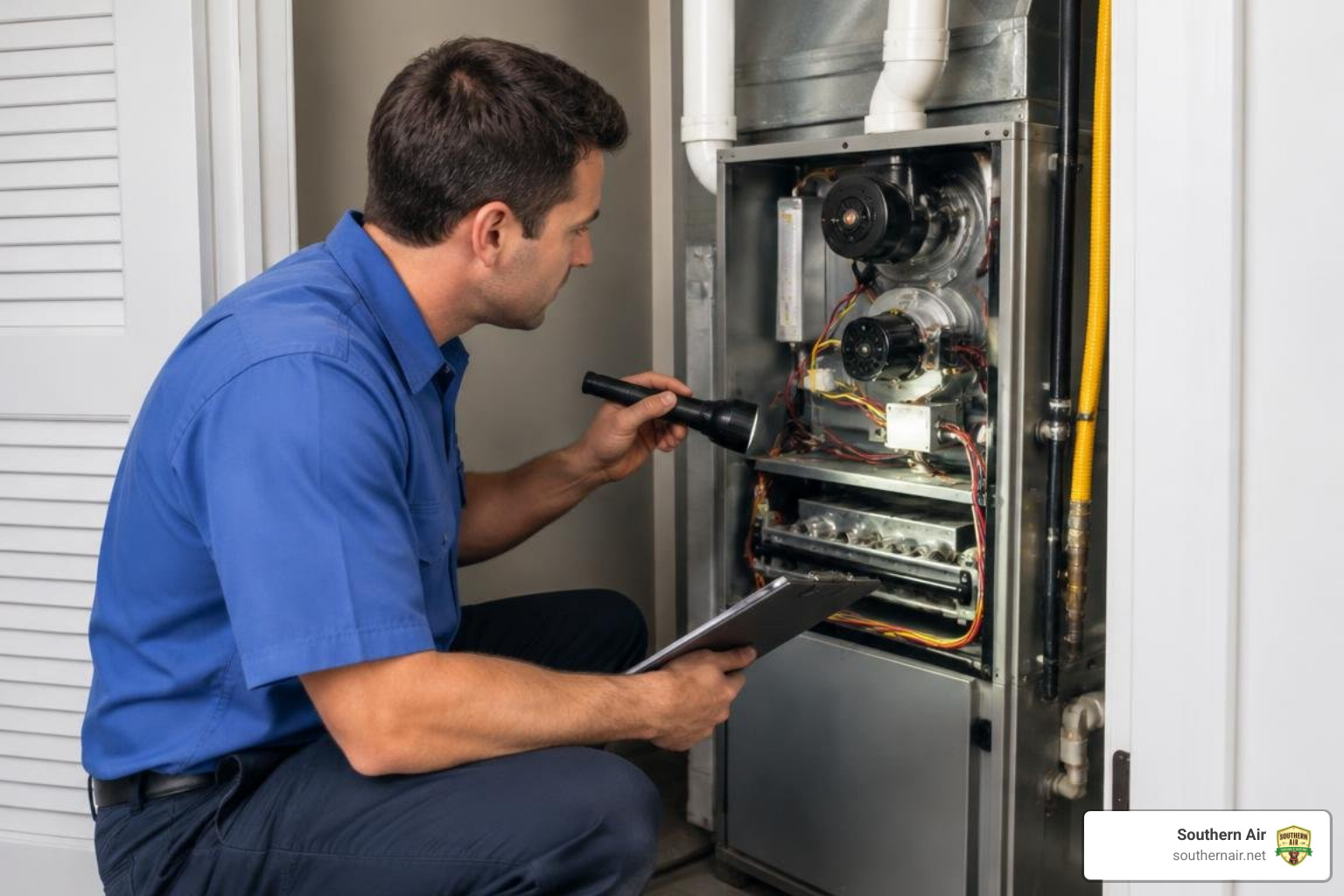
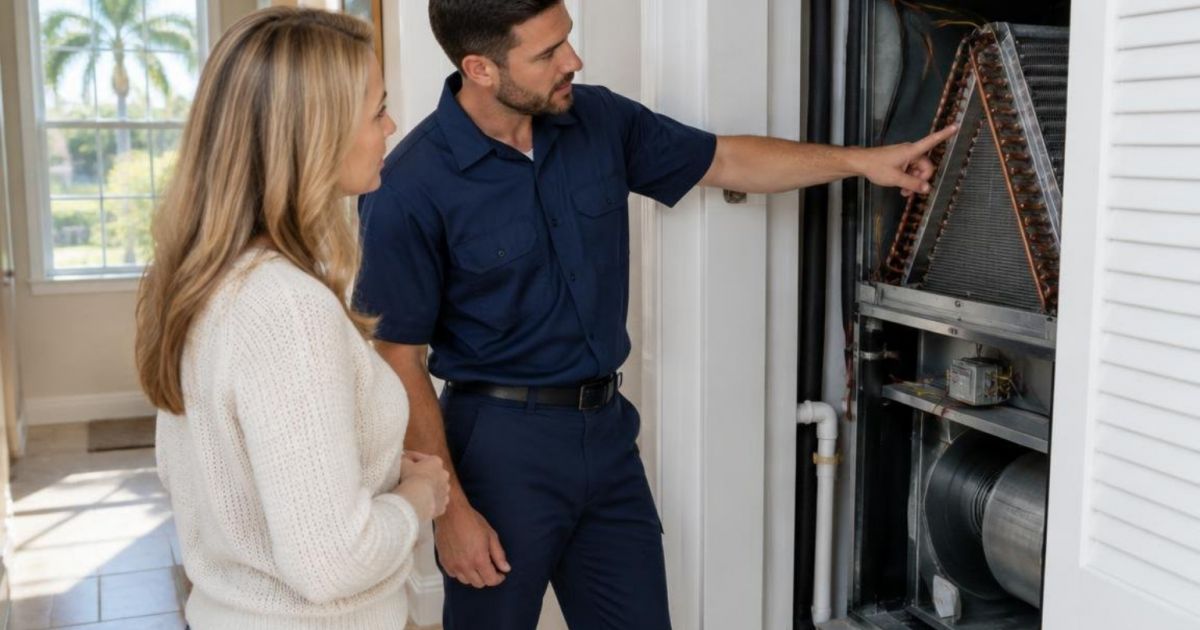
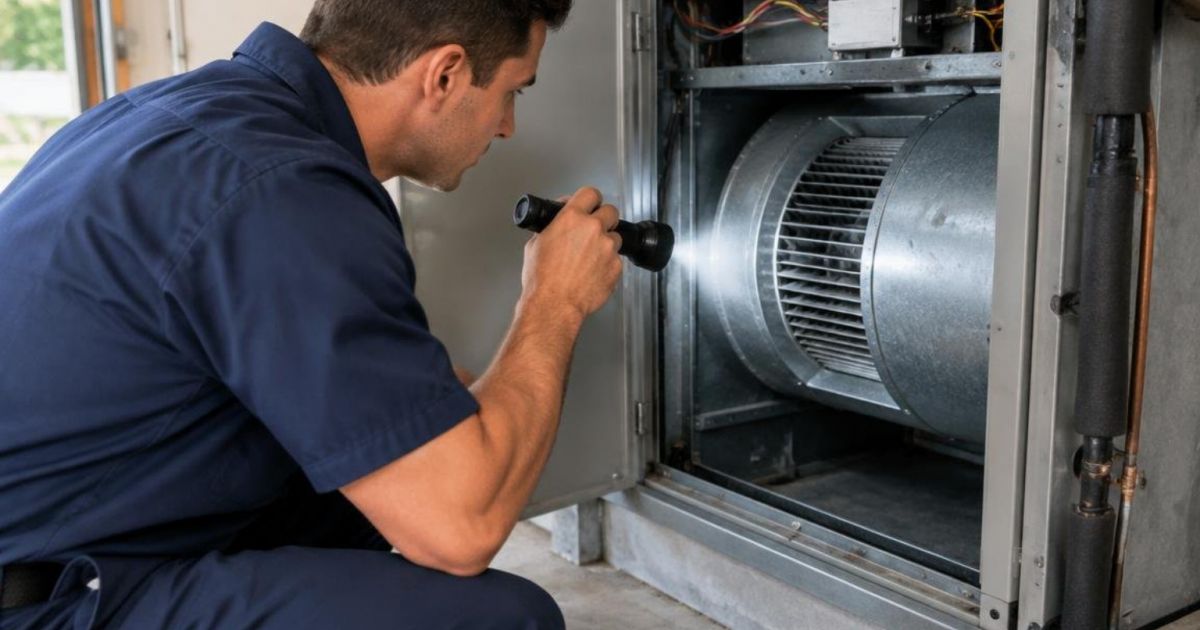
During a carbon monoxide safety inspection, our technician checks the heat exchanger condition and flue connections. They also evaluate vent connections, burner flame, draft, and safety switches that shut the furnace down. These focused checks help identify conditions that could affect safe furnace operation inside the home.
A Recent Service Call in Palatka
A routine fall tune-up for a Palatka homeowner turned up a small crack in the heat exchanger, invisible without a full inspection. Our technician flagged the safety risk immediately and shut down that heat source until repairs could be made. The family avoided a potential carbon monoxide hazard before winter arrived. This case shows why a full inspection is an important part of fall service.
When to Repair or Replace a Compromised Furnace
A cracked heat exchanger is a safety issue, so the furnace must stay off until it is repaired or replaced. A furnace repair visit can identify the issue and help determine the appropriate work. If replacement is safer or more practical, review furnace replacement options with our team.
Frequently Asked Questions
Is a cracked heat exchanger repairable?
A cracked heat exchanger is a safety issue and needs a professional evaluation. Keep the furnace off until our technician inspects it and explains whether repair or replacement is appropriate.
What can a yellow furnace flame mean?
A yellow or irregular flame can indicate a combustion concern. Do not attempt to adjust burners or gas components. Our technician can inspect the furnace and address the issue safely.
Do electric furnaces create carbon monoxide?
An electric furnace does not burn fuel, so it does not produce carbon monoxide from combustion. It still needs regular maintenance for safe, dependable operation.
When should a gas furnace be inspected?
Schedule a professional gas furnace inspection every year, ideally before heating season. Our technician can check the furnace condition, airflow, electrical connections, and venting.
Can a smoke alarm detect carbon monoxide?
A standard smoke detector does not detect carbon monoxide. Install a listed CO alarm near every sleeping area and follow the manufacturer’s instructions for testing and replacement.
Conclusion
Furnace carbon monoxide safety depends on working CO alarms, safe homeowner checks, and yearly professional service. Keep filters clean, keep vents open, clear stored items from the furnace area, test alarms, and schedule service before cooler weather arrives. For help with your heating system, Southern Air Cooling & Heating has been serving Palatka and Northeast Florida since 1980 and has 4.9 stars on Google. To schedule service or discuss a heating concern, contact our team.
Written by Dustin Caison, Florida Certified Air Conditioning Contractor (CAC1816263), Southern Air Cooling & Heating.
Southern Air Cooling & Heating · 3849 Reid St, Palatka, FL 32177 · (386) 222-1342
Request Service
Please fill out the form below to request an estimate or schedule service.
"*" indicates required fields