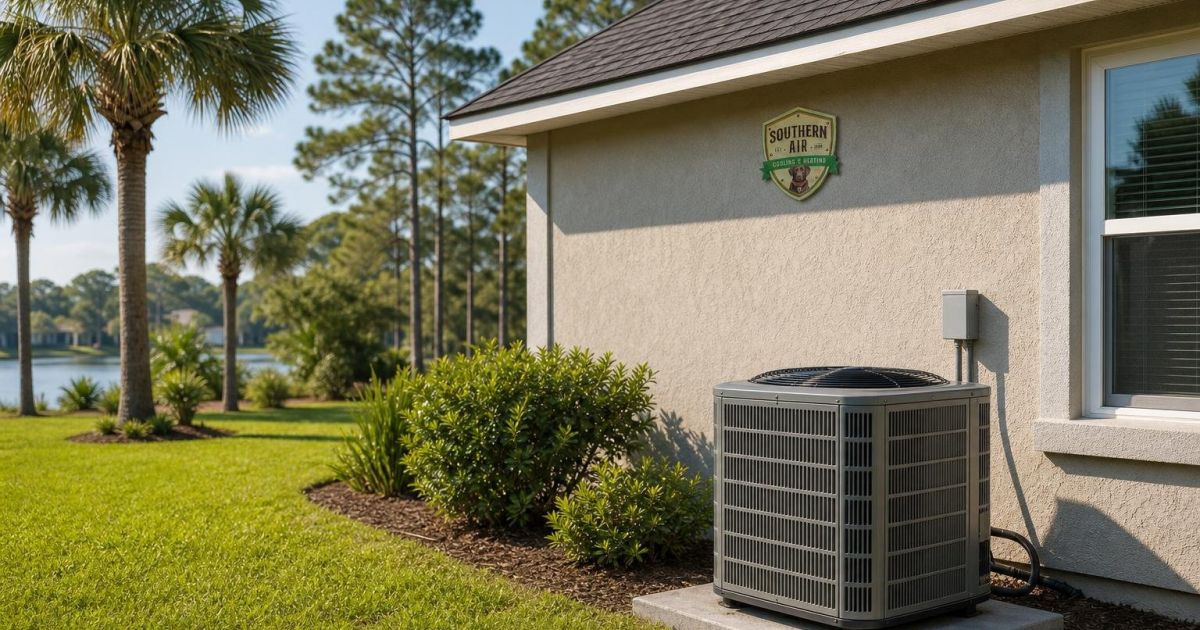
Why AC Furnace Maintenance Is the Smartest Thing You Can Do for Your Home
Performing regular AC furnace maintenance is the single most effective strategy to keep your home comfortable throughout the changing seasons, lower your monthly energy bills, and avoid a costly system breakdown when you need your heating and cooling the most. Your heating, ventilation, and air conditioning system is a complex network of electrical, mechanical, and airflow components that require routine attention to operate at peak performance.
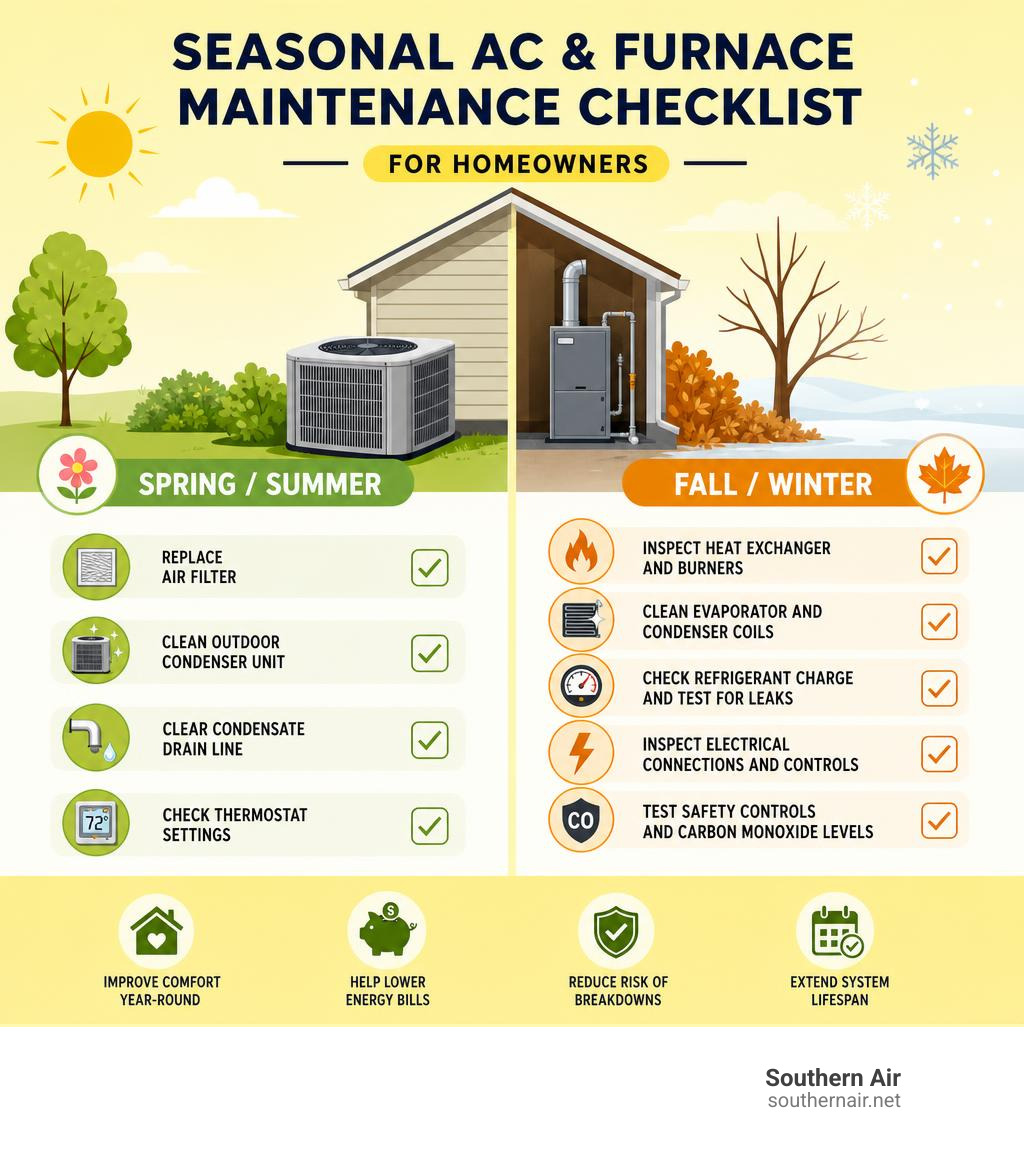
Here is a comprehensive overview of the essential maintenance tasks every homeowner should keep in mind:
| Task | Who Does It | How Often |
|---|---|---|
| Replace air filter | Homeowner | Every 1-3 months |
| Clean outdoor condenser unit | Homeowner | Every spring |
| Clear condensate drain line | Homeowner | Once or twice per year |
| Check thermostat settings | Homeowner | Seasonally |
| Inspect heat exchanger and burners | Professional | Every fall |
| Clean evaporator and condenser coils | Professional | Annually |
| Check refrigerant charge and test for leaks | Professional | Annually |
| Inspect electrical connections and controls | Professional | Annually |
| Test safety controls and carbon monoxide levels | Professional | Annually |
Many homeowners do not think about their heating and cooling system until something goes wrong. A furnace that suddenly quits on a freezing winter night, or an AC unit that fails during a humid summer heat wave, is incredibly stressful, expensive, and almost always preventable. By taking a proactive approach to system care, you can protect your household from these uncomfortable emergencies.
The benefits of routine care are clear. Regular maintenance can reduce your system’s energy consumption by 15% to 20% and extend its overall lifespan by several years. Neglecting these simple tasks, on the other hand, can shorten your system’s life by 30% to 50% and dramatically increase the likelihood of an expensive emergency repair.
I’m Dustin Caison, President and CEO of Southern Air Cooling & Heating, a State Certified Air Conditioning Contractor with more than two decades of hands-on experience in AC furnace maintenance across North Florida. In this comprehensive guide, I will walk you through exactly what it takes to keep your system running at its absolute best, season after season.
The Critical Benefits of Regular AC Furnace Maintenance
When you live in North Florida, your HVAC system is easily the hardest-working appliance in your home. From the humid, sweltering summer days in Saint Augustine, FL to the surprisingly chilly winter nights in Elkton, FL, your system rarely gets a true day off. Investing in regular AC furnace maintenance is not just about avoiding immediate breakdowns, it is about protecting your financial investment and ensuring your family’s peace of mind over the long term.
First and foremost, regular maintenance keeps your system’s energy efficiency high and your utility bills low. When dirt, dust, and environmental grime collect on your system’s internal components, the motors and blowers must work twice as hard to move the same volume of air. This extra strain drains electricity and drives up your monthly utility costs. Keeping the system clean, calibrated, and well-lubricated ensures that it uses the minimum amount of energy required to keep your indoor spaces comfortable.
Second, staying on top of your maintenance schedule is the only reliable way to protect your manufacturer warranty. Most major HVAC brands require documented proof of annual professional maintenance to honor parts warranties. If a major component, such as a compressor or heat exchanger, fails prematurely, and you cannot show that the system was serviced annually by a licensed professional, the manufacturer may deny your warranty claim, leaving you with a massive repair bill.
Finally, routine care is the ultimate lifespan multiplier for your equipment. A typical heating and cooling system should last between 15 and 20 years, but neglect can easily cut that lifespan in half. By understanding the benefits of professional heating system maintenance, you can make informed decisions that prevent premature equipment replacement and save thousands of dollars over time.
DIY HVAC Tasks Every Homeowner Should Perform
While complex technical tasks require a certified professional, there are several straightforward chores you can handle yourself. Taking an active role in your home’s comfort system keeps things running smoothly between professional visits.
Before doing any work on your heating or cooling system, always turn off the power at the thermostat and the main breaker panel. Safety must always be your top priority.
One of the easiest DIY tasks is keeping the area around your outdoor condenser unit clear. High winds and summer storms in places like Green Cove Springs, FL can blow leaves, twigs, and grass clippings straight into the delicate metal fins of your AC. Walk around your outdoor unit once a month and clear away any debris. Trim back bushes, vines, and weeds so there is at least a two foot buffer of empty space around the entire unit. This simple step ensures that your system has the unrestricted airflow it needs to release heat efficiently.
Inside the home, you should regularly vacuum dust and pet hair from your return air grilles and supply registers. This prevents dust from being pulled directly into your system’s ductwork and onto your blower motor. For a detailed breakdown of what you can safely handle on your own, check out our guide on the top HVAC maintenance tasks homeowners should never skip.
Air Filter Replacement and MERV Ratings
If you only do one thing to maintain your HVAC system, make it changing your air filter. A dirty, clogged air filter restricts airflow, forcing your blower motor to run constantly and overheat. This restricted airflow can cause your AC evaporator coils to freeze up in the summer and your furnace to shut down in the winter.
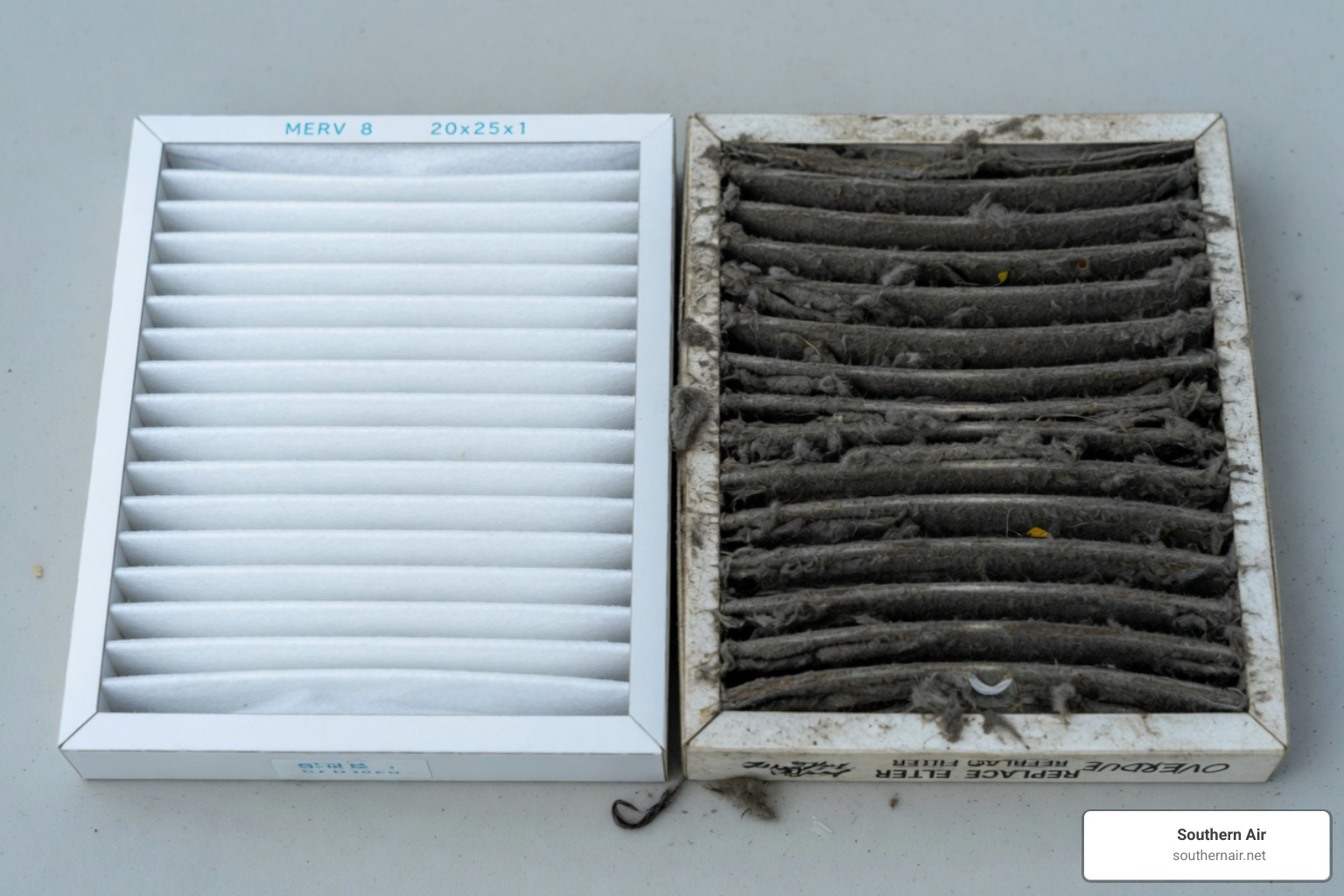
How often you need to replace your filter depends on your household. While a standard recommendation is every 1 to 3 months, you should check your filter every 30 days if you have pets, allergies, or live in a dusty area.
When buying new filters, pay attention to the MERV (Minimum Efficiency Reporting Value) rating, which measures how effectively the filter traps airborne particles:
- MERV 1 to 4: Basic fiberglass filters. They protect your HVAC equipment from large dust particles but do very little to improve your indoor air quality. They need to be replaced every 30 days.
- MERV 5 to 8: Pleated paper or polyester filters. These are the sweet spot for most standard residential systems, capturing pollen, mold spores, and dust mites without restricting airflow. They typically last 60 to 90 days.
- MERV 9 to 13: High-efficiency filters. These trap smaller particles, including pet dander, tobacco smoke, and bacteria. They are excellent for allergy sufferers, but they are thicker and can restrict airflow if your system is not designed to handle them.
Always check your system manual or ask a technician before upgrading to a high-MERV filter to ensure your system can handle the increased resistance.
Professional vs DIY AC Furnace Maintenance
It is important to understand where DIY maintenance ends and professional expertise begins. While cleaning your outdoor unit and changing filters are great DIY projects, attempting to service electrical controls, gas lines, or refrigerant loops without proper training can result in severe injury, system damage, or a voided warranty.
| Maintenance Task | DIY Friendly? | Why Professional Expertise Is Needed |
|---|---|---|
| Filter Replacement | Yes | Simple slide-in process, no safety hazards. |
| Debris Clearance | Yes | Keeping the outdoor unit clear requires no technical tools. |
| Electrical Terminal Inspection | No | High-voltage connections pose a serious risk of electrical shock. |
| Refrigerant Charge Testing | No | Requires EPA certification to handle and measure chemical refrigerants. |
| Heat Exchanger Crack Testing | No | Requires specialized cameras and combustion analyzers to detect invisible cracks. |
| Gas Valve and Pressure Adjustment | No | Improper adjustments can lead to dangerous gas leaks or carbon monoxide exposure. |
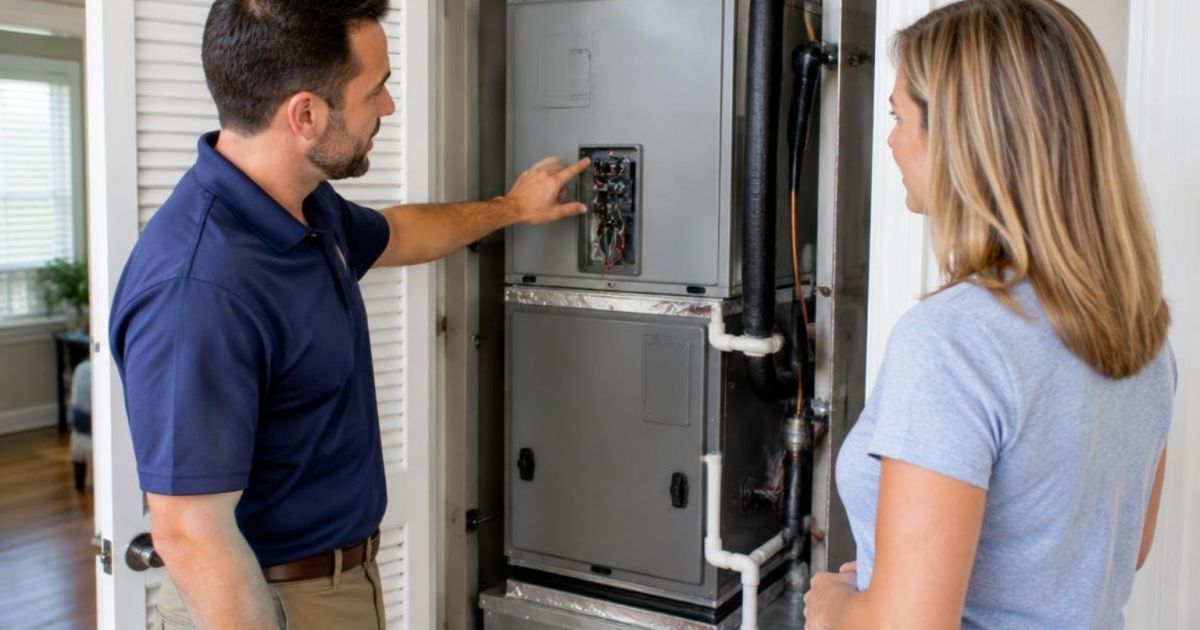
As a homeowner, performing basic upkeep is highly beneficial, but safety must always come first. If you encounter any complex electrical issues, suspect a refrigerant leak, or feel unsure about performing any task, it is vital to contact a professional technician immediately. Handling specialized tools, high-voltage connections, or gas lines without proper training poses severe safety risks and can permanently damage your heating and cooling equipment.
Professional Spring AC Maintenance Checklist
As winter fades and the North Florida humidity begins to climb, your focus should shift to cooling. Scheduling a professional spring tune-up ensures your AC is ready to handle the intense summer heat without breaking a sweat.
During a spring visit, a technician will perform several critical checks. First, they will inspect and clean both the evaporator coil (located indoors) and the condenser coil (located outdoors). Over time, these coils collect a thin layer of dust that acts as insulation, preventing the refrigerant from absorbing and releasing heat. Cleaning these coils restores your system’s heat-transfer efficiency.
Next, the technician will measure the refrigerant charge. If the refrigerant level is low, your AC will run constantly, blow warm air, and eventually suffer a compressor failure. Because refrigerants are sealed chemicals, a low reading always indicates a leak. A professional will locate and repair the leak rather than simply adding more refrigerant.
The technician will also clear the condensate drain line. In humid climates like Palatka, FL, your AC pulls gallons of water out of the air every day. If the drain line becomes clogged with algae or slime, that water will back up, leading to water damage in your home or triggering a safety switch that shuts down your system completely.
To learn more about what our team looks for during these seasonal visits, read about our process for regular AC maintenance. For those interested in the technical engineering standards of these systems, you can also review the manufacturer technical specifications for condensing units to see the precise parameters our technicians measure.
What to Expect During Your Annual AC Tune-Up
When a professional technician arrives at your home, they do not just glance at your unit and leave. A thorough tune-up takes between one and two hours and involves a detailed inspection of your entire cooling system.
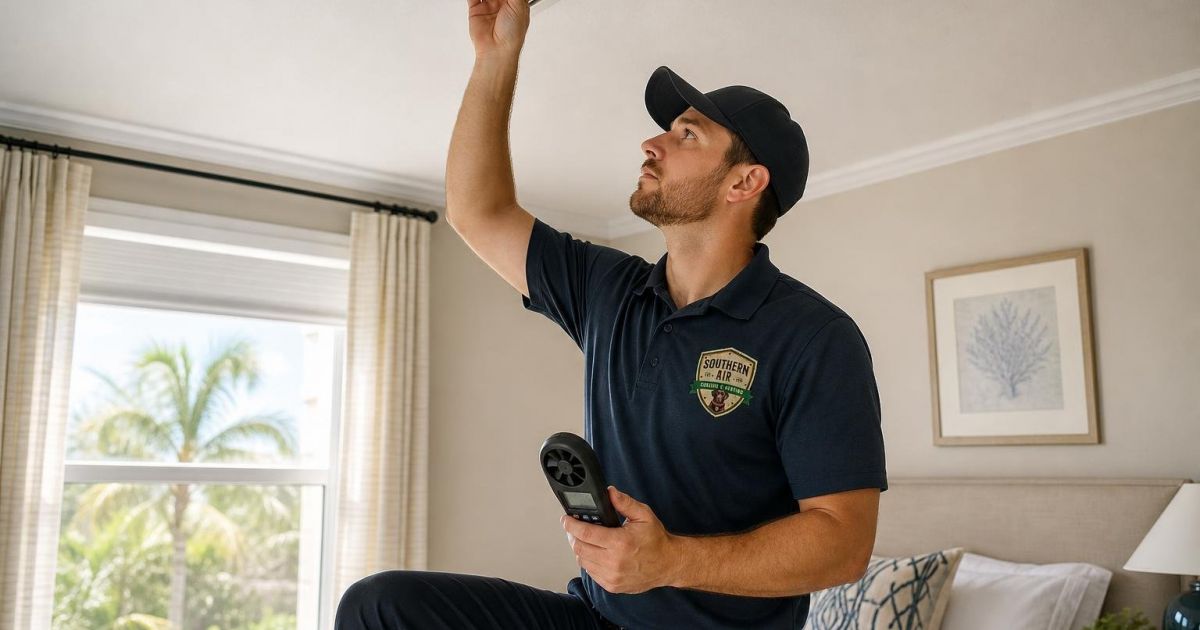
The technician will carefully check the blower motor and clean the blower wheel. Even a small buildup of dust on the blower wheel can reduce your home’s airflow by up to 20%, putting unnecessary strain on the motor. They will also inspect and tighten all electrical terminals, measure voltage and current on the motors, and lubricate all moving parts to reduce friction.
Finally, they will test the system controls and verify that the thermostat is calibrated correctly. This ensures that your system starts, runs, and shuts down in the proper sequence, keeping your home at the exact temperature you set. For a complete look at this process, you can read our detailed annual AC maintenance checklist.
Professional Fall Furnace Maintenance Checklist
While Florida summers get all the attention, winter nights in places like Crescent City, FL and Florahome, FL can get surprisingly cold. Your furnace needs its own dedicated attention before you turn it on for the first time in the fall.
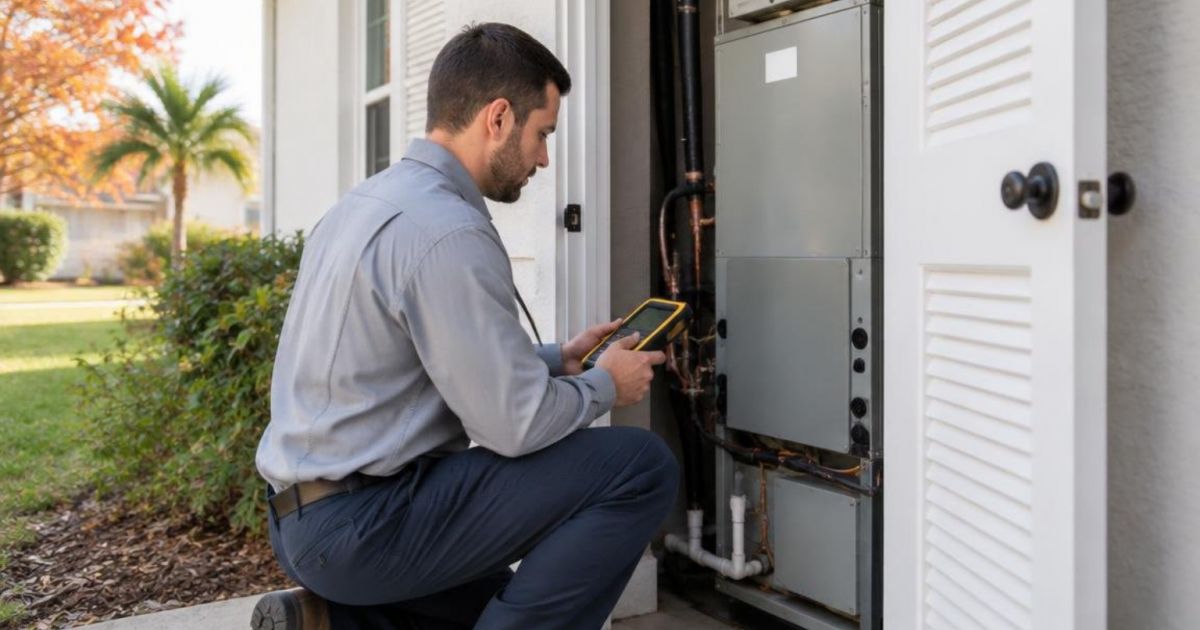
The absolute most critical step in a professional furnace tune-up is inspecting the heat exchanger. The heat exchanger is the metal chamber where fuel is burned to create heat. If this metal cracks due to age or overheating, dangerous combustion gases, including carbon monoxide, can leak directly into your home’s breathing air. Because these cracks are often invisible to the naked eye, technicians use specialized cameras to inspect the heat exchanger for safety.
The technician will also clean and adjust the burners to ensure proper combustion. If the burners are dirty, they will not burn fuel efficiently, leading to wasted energy and soot buildup. They will also inspect the gas connections, test the gas valve pressure, and clean the flame sensor. A dirty flame sensor is one of the most common reasons a furnace starts up and then immediately shuts down.
By taking these steps every autumn, you protect your family from safety hazards and keep your heating system running reliably. For more tips on keeping your heating system safe, read our guide on how to maintain your furnace to avoid costly repairs.
Scheduling Your Annual AC Furnace Maintenance
Timing is everything when it comes to HVAC care. We highly recommend scheduling your AC service in the spring (March through May) and your furnace service in the fall (September through November).
These periods are known as the shoulder seasons. During the dead of summer and the depths of winter, HVAC companies are flooded with emergency repair calls, meaning you may have to wait longer for an appointment. By scheduling during the milder spring and autumn months, you get flexible scheduling, prompt service, and the peace of mind that your system is fully prepared before the extreme weather arrives.
Proactive scheduling is the best way to catch minor issues before they turn into major, expensive emergencies. Discover how simple planning can protect your budget by reading about how regular heating maintenance can prevent costly repairs.
Warning Signs Your HVAC System Needs Immediate Service
Even with diligent maintenance, parts can wear out over time. It is important to recognize the early warning signs of trouble so you can call for professional help before your system breaks down completely.
One common warning sign is short cycling, which occurs when your system turns on and off every few minutes without ever completing a full cooling or heating cycle. This puts immense strain on your compressor and blower motor, rapidly accelerating wear and tear.
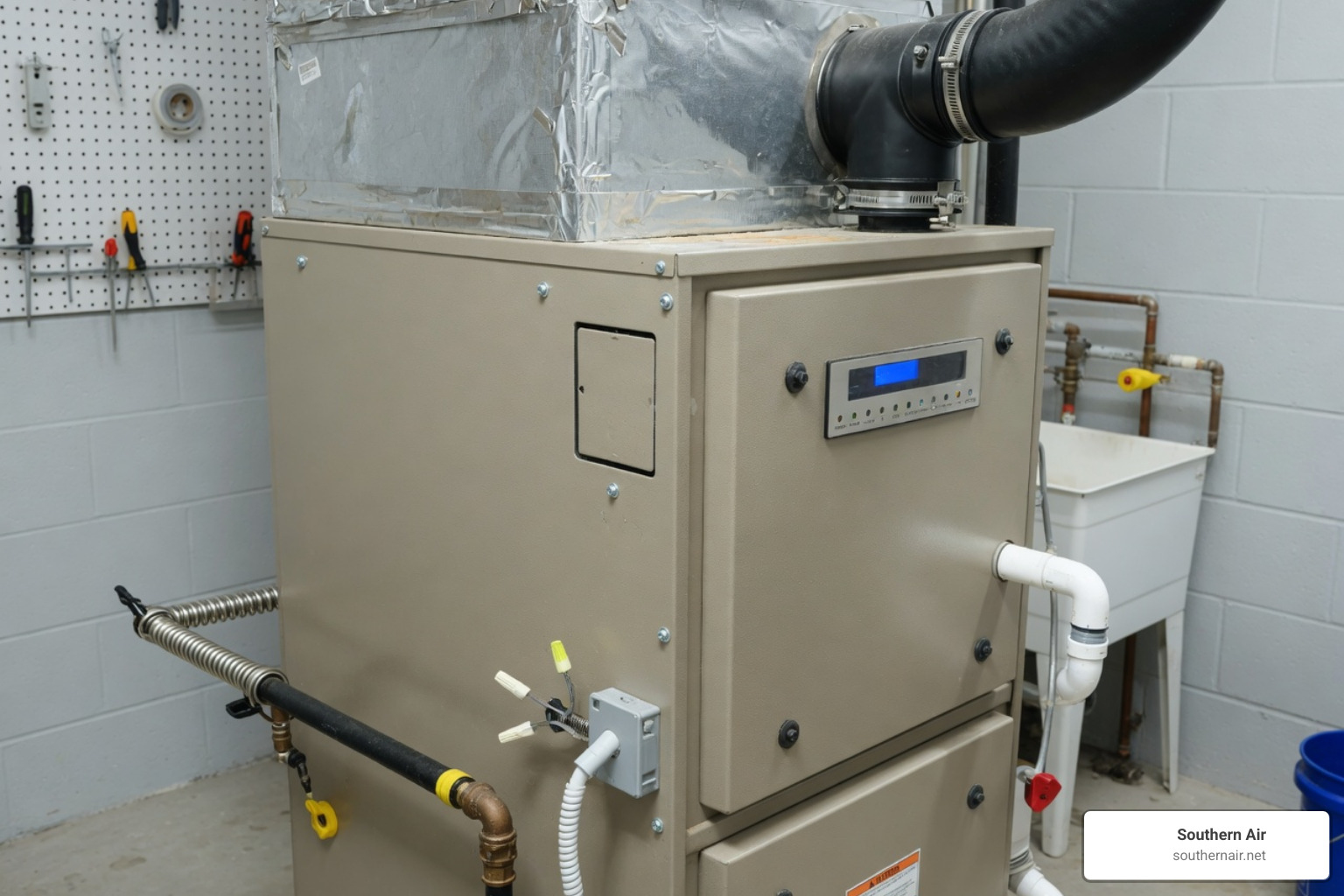
You should also listen closely to your system. While a gentle hum is normal, loud noises like banging, screeching, whistling, or rattling indicate loose components, failing bearings, or restricted airflow. Similarly, keep an eye on your utility bills. A sudden, unexplained spike in your energy costs usually means your system is working much harder than it should to keep up with demand.
Finally, never ignore strange odors. A musty smell often points to mold growth in your ductwork or drain pan, while a burning metallic smell suggests overheating electrical components. If you notice any of these signs, it is time to call in a professional. For more details on system performance and service intervals, check out our guide on how often should you service your AC.
Frequently Asked Questions About HVAC Maintenance
How often should I schedule AC furnace maintenance?
You should schedule professional maintenance twice a year: once in the spring for your AC and once in the fall for your furnace. This pre-season timing ensures that each system is inspected, cleaned, and optimized before it has to run continuously during peak weather.
What is the typical cost of an AC and furnace tune-up?
Pricing for professional tune-ups can vary depending on several factors, including the age of your system, your specific location, and the complexity of the service. Homeowners should request a professional estimate for accurate pricing rather than relying on generic estimates.
Can a dirty air filter cause my AC to freeze up?
Yes. A dirty air filter blocks the flow of warm air over your indoor evaporator coil. Without enough warm air passing over the coil, the refrigerant inside gets too cold, causing the moisture on the outside of the coil to freeze into solid ice. This blocks airflow entirely and can damage your compressor.
What MERV rating is best for residential HVAC filters?
For most North Florida homes, a MERV rating between 5 and 8 is ideal. It provides an excellent balance of capturing common household dust, pollen, and mold spores without restricting the airflow your system needs to operate efficiently.
Why is my furnace blowing cold air?
A furnace blowing cold air can be caused by several simple issues, such as a thermostat set to “ON” rather than “AUTO,” which keeps the fan running even when the furnace is not heating. It can also be caused by a dirty flame sensor, a pilot light that has gone out on older units, or a tripped safety limit switch due to restricted airflow.
How long does a professional HVAC tune-up take?
A typical professional tune-up takes between 60 and 90 minutes per system. If your system requires heavy cleaning or if the technician discovers a minor issue that needs to be repaired on the spot, the visit may take up to two hours.
Does regular maintenance keep my manufacturer warranty valid?
Yes. Almost all major HVAC manufacturers require proof of annual professional maintenance to honor their parts warranties. Keeping your service receipts and maintenance records is essential if you ever need to make a warranty claim.
What should I do if I smell gas near my furnace?
If you smell gas (which usually smells like sulfur or rotten eggs) near your furnace, do not attempt to turn off the gas valve, light any matches, or switch any lights on or off. Leave your home immediately, leave the door open, and call your local gas company or emergency services from a safe distance.
How do I prepare my outdoor AC unit for winter?
To prepare your outdoor AC unit for winter, turn off the power switch located near the unit, clear away any leaves or debris from the top and sides, and gently rinse the outside with a garden hose. You can use a breathable cover to protect the top of the unit from falling debris, but avoid wrapping the entire unit in plastic, as this traps moisture and attracts nesting pests.
Can I clean my own AC evaporator coils?
No. The indoor evaporator coil is difficult to access and features incredibly delicate aluminum fins that are easily bent or damaged. Cleaning them requires specialized chemical sprays and tools, making this a task that is best left to a certified technician.
Conclusion
Taking care of your heating and cooling system does not have to be stressful. By handling simple DIY tasks like regular filter replacements and keeping your outdoor unit clear, you lay a strong foundation for your home’s comfort. For everything else, relying on the certified experts at Southern Air Cooling & Heating ensures your system gets the precise, safe, and professional care it needs to keep running efficiently for years to come.
Serving Palatka, FL and surrounding areas like Crescent City, FL and East Palatka, FL for more than 43 years, our family-owned team is dedicated to providing 5-star service. Whether you need fast AC repairs, seasonal HVAC maintenance, or professional furnace repair services, the team at Southern Air Cooling & Heating is ready to help. Schedule your professional HVAC service today.
Request Service
Please fill out the form below to request an estimate or schedule service.
"*" indicates required fields