What Does a Single-Zone Mini Split Installation Cost in 2026?
Single-zone mini split installation cost typically runs between $1,200 and $5,500 for most Florida homeowners in 2026, covering both the equipment and professional labor. The sweet spot for a common 12,000 BTU system lands around $1,500 to $3,100 fully installed.
Here’s a quick breakdown by unit size:
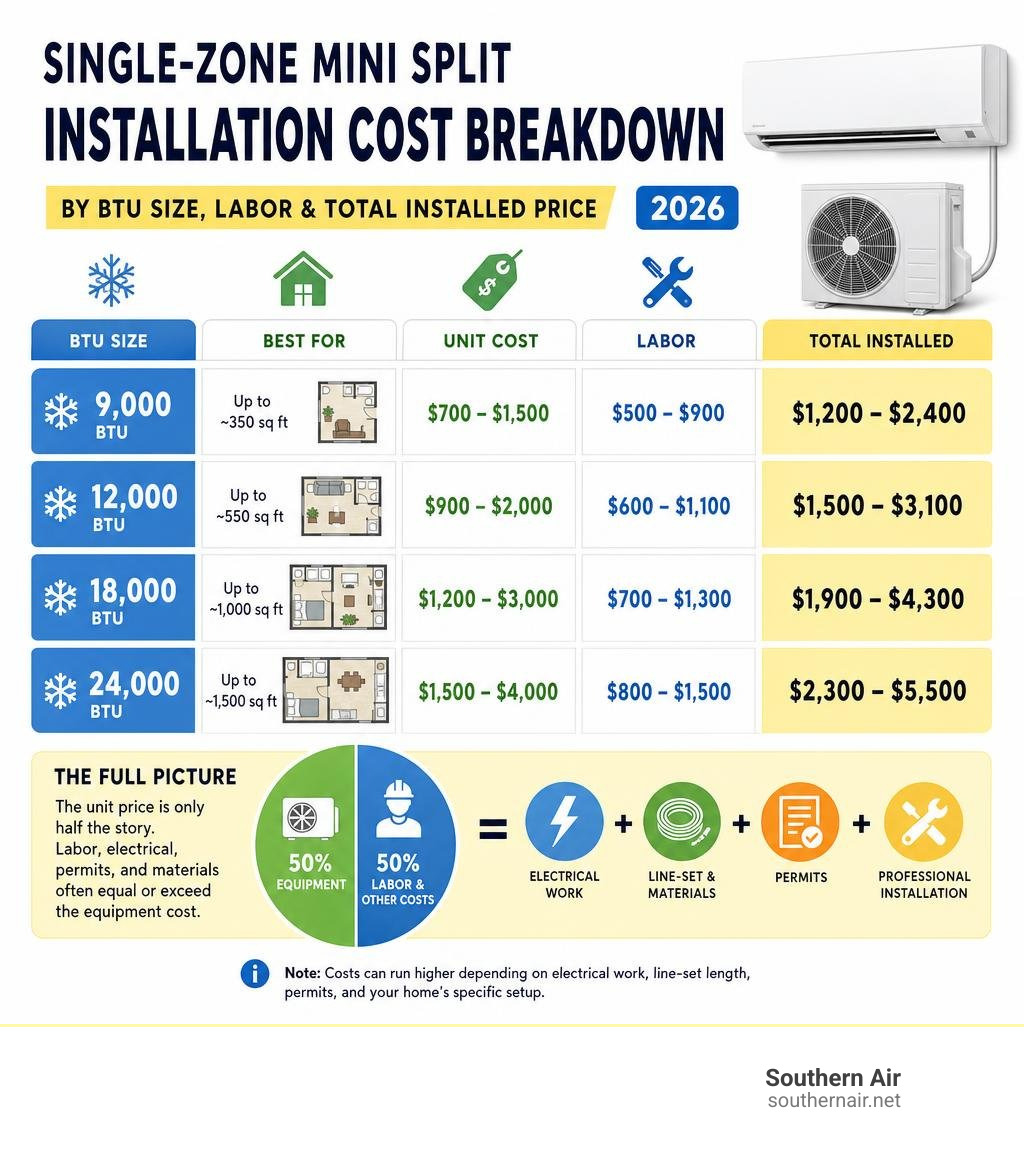
| BTU Size | Best For | Unit Cost | Labor | Total Installed |
|---|---|---|---|---|
| 9,000 BTU | Up to ~350 sq ft | $700–$1,500 | $500–$900 | $1,200–$2,400 |
| 12,000 BTU | Up to ~550 sq ft | $900–$2,000 | $600–$1,100 | $1,500–$3,100 |
| 18,000 BTU | Up to ~1,000 sq ft | $1,200–$3,000 | $700–$1,300 | $1,900–$4,300 |
| 24,000 BTU | Up to ~1,500 sq ft | $1,500–$4,000 | $800–$1,500 | $2,300–$5,500 |
Note: Costs can run higher depending on electrical work, line-set length, permits, and your home’s specific setup.
Most homeowners are surprised by one thing: the unit price you see online is only half the story. The other half, labor, electrical work, permits, and materials, often equals or exceeds the equipment cost itself. That gap between “what it costs on Amazon” and “what the contractor quoted me” is exactly what this guide explains.
I’m Dustin Caison, President of Southern Air Cooling & Heating and a State Certified Air Conditioning Contractor with more than two decades of hands-on experience helping North Florida homeowners navigate single-zone mini split installation cost decisions. Our team has handled hundreds of ductless installations across the region, so the guidance here comes straight from the field, not a spreadsheet.
A single-zone mini split is simple in concept: one outdoor condenser connects to one indoor air handler. There is no ductwork, no room-by-room zoning board, and no maze of supply runs hidden in the attic. That simplicity is why single-zone systems are usually the most affordable ductless option.
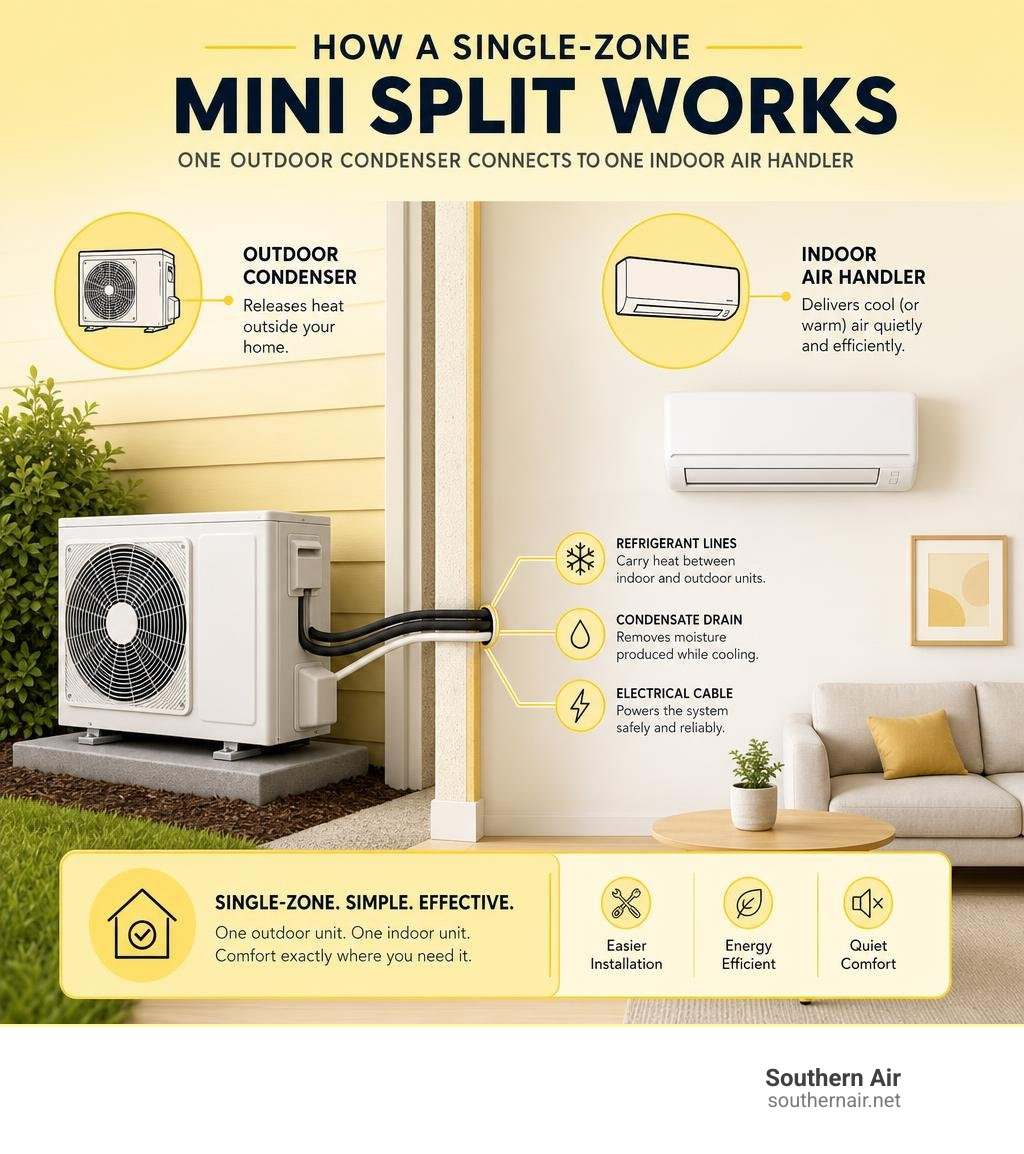
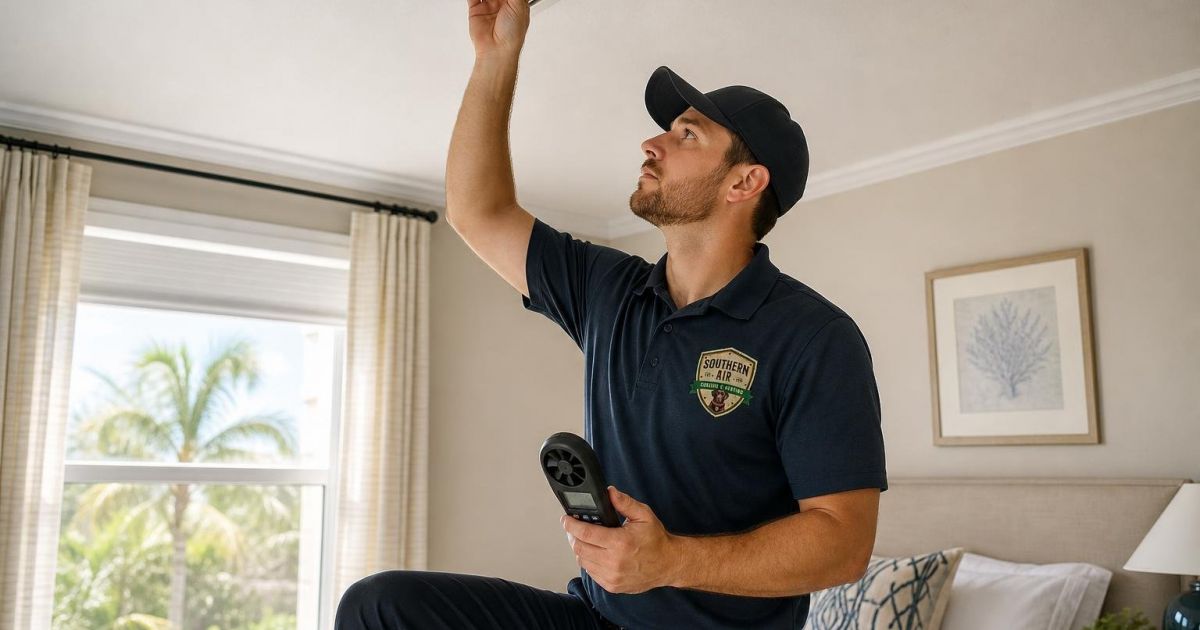
But “simple” does not mean “plug it in and call it a day.” A proper installation includes refrigerant lines, condensate drainage, electrical work, wall penetration, equipment mounting, system evacuation, startup testing, and often permitting. That is where pricing starts to make more sense.
Breaking Down the Single-Zone Mini Split Installation Cost in 2026

For 2026, a realistic installed range for a single-zone ductless mini split in Palatka, Crescent City, East Palatka, Interlachen, Keystone Heights, Green Cove Springs, Saint Augustine, and nearby North Florida communities is usually $1,200 to $5,500.
A more premium or complicated job can exceed that range, especially if it includes:
- A long line-set run
- A difficult second-story installation
- Electrical panel upgrades
- Concealed line-set routing
- High-efficiency heat pump equipment
- Permit and inspection requirements
- Older home construction challenges
For a deeper look at overall ductless pricing, see our guide on how much it costs to install a mini split AC system.
Here is the simple way to think about the total price:
| Cost Category | Typical Share of Project | What It Covers |
|---|---|---|
| Equipment | 40%–60% | Indoor unit, outdoor condenser, remote or controller |
| Labor | 30%–50% | Mounting, refrigerant work, drain setup, startup testing |
| Materials | 5%–15% | Line set, insulation, drain line, pad or bracket, line-hide |
| Electrical and permits | Varies | Dedicated circuit, disconnect, breaker, permits, inspections |
Single-zone systems are less expensive than multi-zone systems because they use one indoor head and one outdoor unit. Multi-zone systems add more indoor units, longer refrigerant routing, more controls, and more design complexity.
| System Type | Typical Installed Cost in 2026 | Best Use |
|---|---|---|
| Single-zone mini split | $1,200–$5,500 | One bedroom, garage, office, sunroom, addition |
| Two-zone mini split | $4,000–$9,000 | Two rooms or separated areas |
| Three-zone mini split | $6,500–$11,000 | Several rooms needing independent comfort |
| Four- or five-zone system | $8,000–$14,500+ | Larger layouts or whole-home ductless design |
If you only need to condition one room, a single-zone mini split is usually the most cost-effective ductless choice. If you are planning to add several rooms later, however, it may be worth discussing whether a multi-zone design makes more sense upfront.
How BTU Capacity Affects Your Single-Zone Mini Split Installation Cost
BTU capacity is one of the biggest cost drivers. BTU stands for British Thermal Unit, and in HVAC terms, it describes how much heating or cooling capacity the system provides.
One ton of cooling equals 12,000 BTUs. So a 12,000 BTU mini split is a 1-ton system.
The larger the space, the more capacity you usually need. But bigger is not always better. Oversizing a mini split can cause short cycling, poor humidity control, uneven temperatures, and higher equipment costs. In Florida, humidity control matters almost as much as temperature. A unit that cools the room too fast without running long enough to dehumidify can leave the space feeling clammy.
A common sizing guide looks like this:
| Room Size | Common BTU Range | Typical Use |
|---|---|---|
| Up to 350 sq ft | 9,000 BTU | Bedroom, office, small guest room |
| 400–550 sq ft | 12,000 BTU | Master bedroom, den, sunroom |
| 700–1,000 sq ft | 18,000 BTU | Large living area, garage conversion |
| 1,000–1,500 sq ft | 24,000 BTU | Open area, large addition, workshop |
These are planning numbers, not a replacement for proper sizing. Ceiling height, insulation, windows, sun exposure, room use, and home age all matter.
National cost guides show similar ranges for single-zone systems, with many landing in the $2,000 to $5,500 range depending on size and complexity. You can compare broader national pricing in this single-zone mini split cost guide, but local installation details will always control the final number.
Labor Rates and Regional Pricing Variations
Labor for a single-zone mini split often runs $500 to $2,000, depending on the difficulty of the job. A straightforward back-to-back installation on a single-story exterior wall may take 4 to 8 hours. A more difficult installation can take longer.
Labor pricing is driven by:
- How far the indoor unit is from the outdoor unit
- Whether the outdoor condenser sits on a pad, wall bracket, or elevated stand
- How difficult the wall penetration is
- Whether electrical work is simple or extensive
- Whether the line set is exposed or concealed
- Whether permits and inspections are required
- Whether the system is standard efficiency or high-efficiency heat pump equipment
In North Florida, we also think about salt air exposure in areas closer to the coast, heavy summer humidity, attic temperatures, and older electrical systems in established homes. Those details can make two homes with the same BTU system cost very different amounts.
That is why a phone estimate can be helpful, but an in-person or detailed virtual quote is much better. A mini split installation is not just a product; it is a small construction project attached to your home.
Key Factors That Drive Ductless HVAC Pricing
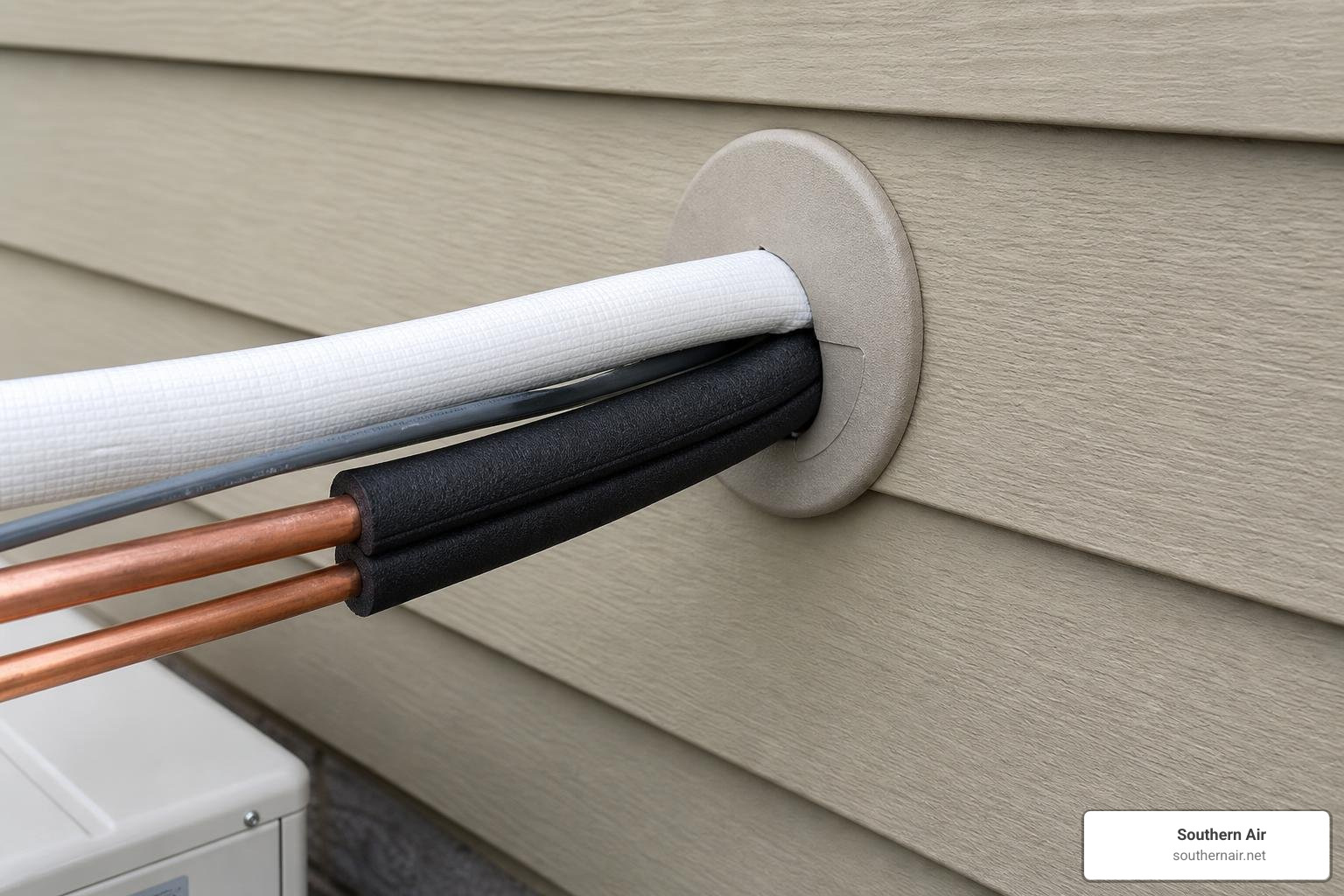
The system size matters, but the installation conditions often matter more. Two homeowners can buy the same 12,000 BTU unit and receive very different quotes because the jobsite conditions are different.
If you are still learning how ductless systems operate, our article on what a ductless mini split HVAC system is is a helpful starting point.
The biggest cost factors include:
-
Line-set length
- The line set connects the indoor and outdoor units.
- Shorter, straighter runs usually cost less.
- Longer runs require more copper, insulation, covers, labor, and sometimes additional refrigerant.
-
Electrical requirements
- Most mini splits need a dedicated circuit.
- Many require 240V power, though some smaller units may use 120V.
- If the panel is full or outdated, extra electrical work may be needed.
-
Mounting location
- Ground pads are often simpler.
- Wall brackets can help with drainage, flooding concerns, landscaping, or clearance.
- Elevated or second-story work adds time and safety considerations.
-
Wall type
- Drywall and standard wood framing are usually straightforward.
- Block, brick, stucco, plaster, or historic materials can add labor.
-
Drainage
- Mini splits remove moisture from the air.
- That condensate must drain properly.
- In some installations, a condensate pump may be needed.
-
Permit requirements
- Local code requirements can affect total cost.
- Permits protect the homeowner by ensuring the installation is safe and compliant.
-
Aesthetics
- Some homeowners want line sets hidden as much as possible.
- Concealing lines inside walls or using line-hide covers can raise the price.
Efficiency Ratings and Refrigerant Types
Efficiency affects both the upfront price and long-term operating cost.
The main ratings to know are:
- SEER2: Cooling efficiency over a season
- EER2: Cooling efficiency at a specific operating condition
- HSPF2: Heating efficiency for heat pump operation
Higher SEER2 and HSPF2 ratings usually cost more upfront, but they can reduce energy use over time. That matters in Florida, where cooling season is not exactly a short cameo appearance. It is more like the main character.
Many modern ductless heat pumps also use newer refrigerants, including A2L refrigerants such as R-32 or R-454B. These refrigerants are designed with lower global warming potential than older options, but they require updated handling practices and trained installers.
Brand, efficiency tier, and refrigerant type can all affect equipment pricing. A budget 12,000 BTU unit may cost under $1,500, while a premium high-efficiency heat pump of the same size can cost significantly more. A helpful manufacturer-side overview of ductless pricing is available in this ductless mini split cost guide.
The key is not automatically buying the highest SEER2 model. The best value depends on:
- How often you will use the system
- Whether it will heat, cool, or both
- The room size and insulation level
- Your energy rates
- Available rebates or credits
- Your comfort goals
Home Age and Electrical Infrastructure
Older homes in Palatka, Welaka, Pomona Park, San Mateo, and surrounding areas can be wonderful, full of character, and occasionally full of surprises hiding behind the walls.
Home age can affect cost because of:
- Older electrical panels
- Limited breaker space
- Outdated wiring
- Plaster or masonry walls
- Tight crawlspaces or attic access
- Nonstandard framing
- Previous renovations
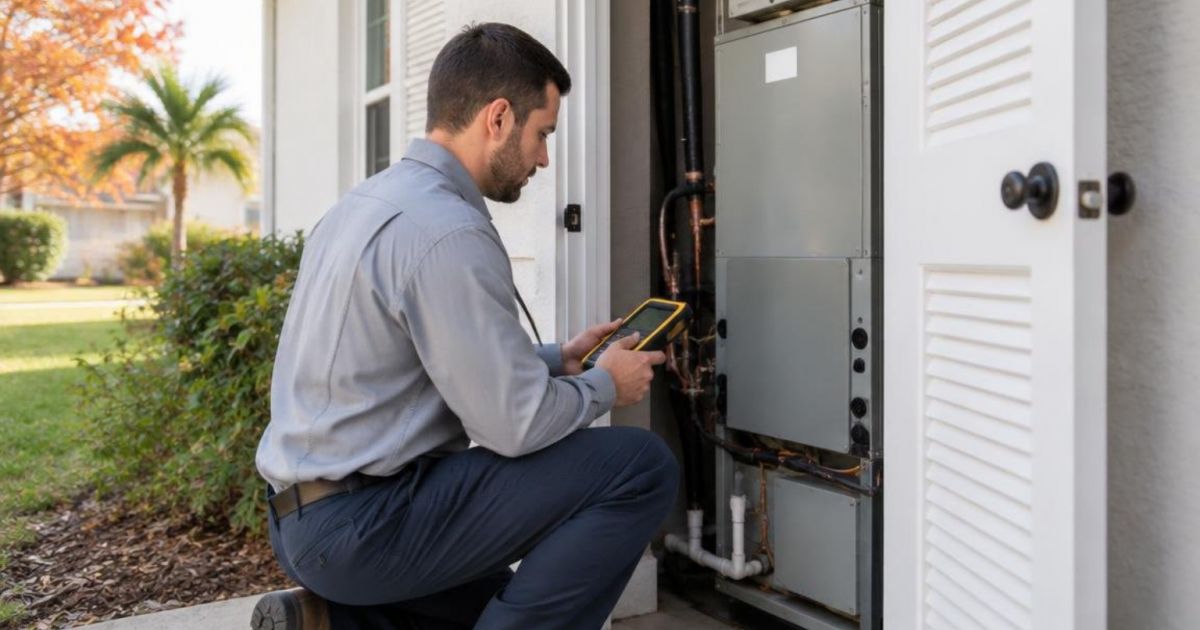
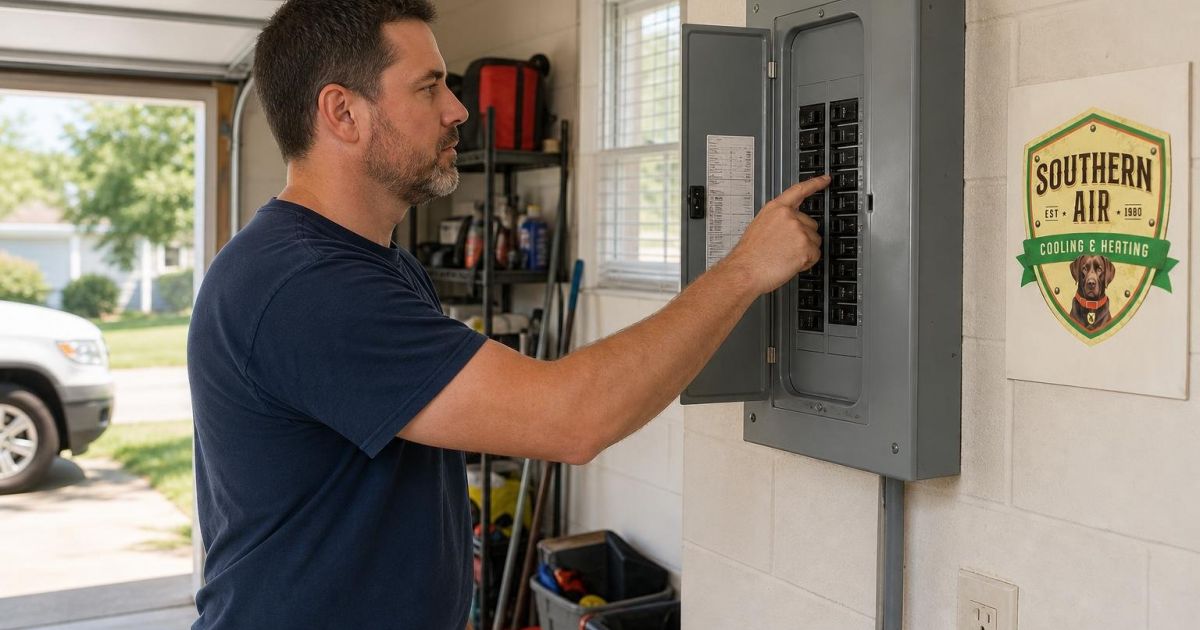
A typical mini split needs a dedicated circuit, outdoor disconnect, and safe wiring sized for the equipment. If your electrical panel has room and capacity, the electrical portion may be straightforward. If the panel is outdated or full, you may need additional electrical work before the system can be installed safely.
Common electrical add-ons may include:
| Electrical Item | Typical Cost Impact |
|---|---|
| Dedicated circuit | Moderate |
| Outdoor disconnect | Usually included or modest |
| Breaker replacement | Low to moderate |
| Subpanel or panel work | Higher |
| Full panel upgrade | Highest |
Not every job needs major electrical work. But when it does, it is better to know before installation day than after the outdoor unit is sitting in the yard waiting for power.
Professional Installation vs. DIY: Weighing the Real Value
DIY mini split kits are popular because the equipment price looks attractive. Some pre-charged systems are designed for handy homeowners, and in the right situation, DIY can reduce upfront cost.
But there are tradeoffs.
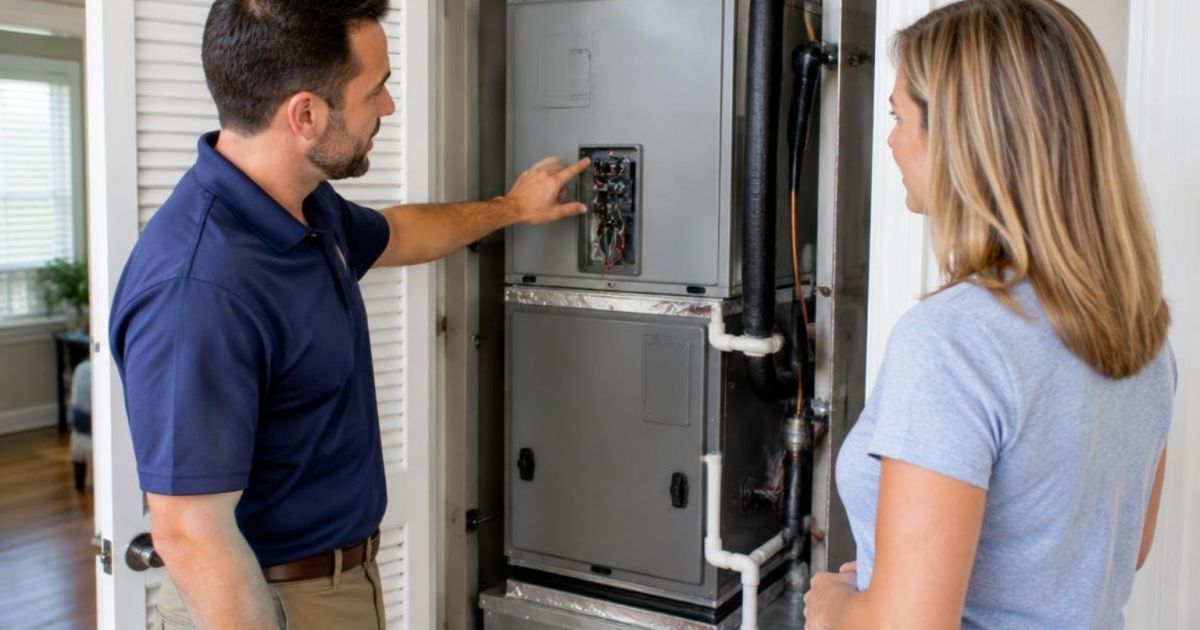
A professional installation usually costs more because it includes expertise, tools, code knowledge, refrigerant handling, electrical coordination, startup testing, and warranty protection. If you are comparing DIY to professional installation, make sure you are comparing the whole job, not just the box price.
For a deeper homeowner checklist, read our guide on hiring a mini split pro.
Professional vs. DIY: Hidden Risks That Impact Your Single-Zone Mini Split Installation Cost
The biggest DIY risks are not always obvious at checkout.
A mini split installation may involve:
- Refrigerant line connections
- System evacuation with a vacuum pump
- Leak testing
- Proper torque on flare fittings
- Condensate drain slope
- Electrical circuit sizing
- Outdoor unit clearances
- Permit compliance
- Manufacturer startup requirements
Traditional mini split systems often require tools and knowledge that most homeowners do not already have. Anyone handling regulated refrigerants must follow EPA Section 608 rules. Even with pre-charged DIY systems, electrical work and permitting may still require a licensed professional.
Here is a practical comparison:
| Option | Pros | Cons |
|---|---|---|
| DIY installation | Lower upfront cost, flexible timing, useful for very handy homeowners | Warranty limitations, code risk, leak risk, electrical safety concerns, fewer professional protections |
| Handyman-assisted installation | May reduce labor cost, useful for mounting support | May not cover refrigerant, electrical, permits, or manufacturer requirements |
| Professional HVAC installation | Proper sizing, code compliance, startup testing, warranty support, safer electrical and refrigerant work | Higher upfront cost |
| Professional HVAC plus maintenance plan | Best long-term performance, priority service options, ongoing care | Higher total investment |
DIY can look cheaper until something goes wrong. A refrigerant leak, poor vacuum, improper drain, or undersized electrical circuit can turn a bargain into a repair bill. And if the manufacturer denies warranty coverage due to improper installation, the savings can disappear fast.
That does not mean every DIY system is doomed. It means homeowners should be honest about their skill level, tools, local code requirements, and risk tolerance.
Financial Incentives, Tax Credits, and Ways to Save
A qualifying ductless heat pump may be eligible for federal tax credits, utility rebates, manufacturer promotions, or financing options. Incentives change, so always verify current requirements before you buy.
As of 2026, many qualifying high-efficiency heat pumps may be eligible under the federal Energy Efficient Home Improvement Credit, often called the 25C tax credit. For qualifying heat pumps, homeowners may be able to claim 30% of eligible project costs up to $2,000 per year. Eligibility depends on efficiency requirements, equipment certification, and your tax situation.
Before counting on an incentive, ask for:
- The exact model numbers
- AHRI certification information
- ENERGY STAR qualification details, if applicable
- Manufacturer certification statement, when available
- A clearly itemized invoice
- Written confirmation of what is and is not included
We also recommend checking with your utility provider for current rebates. Some programs reward high-efficiency heat pump installations, but availability varies by service territory and changes over time.
Ways to reduce or manage your single-zone mini split installation cost include:
- Choose the right size. Oversizing costs more upfront and can hurt comfort, while undersizing makes the system work too hard.
- Keep the indoor and outdoor units close. A short line-set run usually saves money.
- Use a simple wall location. Back-to-back installations are often the most affordable.
- Avoid unnecessary concealment. Hidden line sets look great but cost more.
- Schedule before peak heat. Spring and fall can be easier times to plan HVAC work.
- Ask about financing. Financing can help spread the investment over time.
- Get an itemized quote. Itemization makes it easier to compare apples to apples.
- Maintain the system. Clean filters and professional maintenance help protect your investment.
- Ask about specials. Southern Air Cooling & Heating often offers helpful promotions, including repair specials such as $50 off repairs when available.
- Consider long-term value. The cheapest installation is not always the lowest-cost ownership experience.
Frequently Asked Questions About Ductless Systems
Is a single-zone mini split cheaper than central air?
Often, yes — especially when you only need to heat and cool one room or an area without ductwork.
A single-zone mini split is usually much cheaper than installing a new central HVAC system with ductwork. Ductwork can add significant cost, especially in older homes, additions, garages, sunrooms, detached spaces, or areas where extending ducts is impractical.
Mini splits are especially useful for:
- Room additions
- Garages and workshops
- Sunrooms
- Bonus rooms
- Home offices
- Bedrooms that stay too hot or cold
- Detached guest spaces
- Older homes without ductwork
Central air can make more sense when you already have good ductwork and want whole-home cooling from one system. But if the problem is one uncomfortable room, a single-zone mini split is often the cleaner, more efficient, and less invasive answer.
How long does a single-zone mini split system last?
A well-installed and well-maintained mini split typically lasts 15 to 20 years.
System life depends on:
- Installation quality
- Brand and model
- Usage level
- Coastal or high-humidity exposure
- Filter cleaning
- Coil cleaning
- Drain maintenance
- Annual professional service
Homeowners should clean or rinse washable filters regularly, often monthly during heavy use. In Florida, where cooling demand is high and humidity is relentless, keeping the system clean is especially important.
Professional maintenance helps catch issues like:
- Dirty coils
- Clogged drains
- Low refrigerant symptoms
- Electrical wear
- Weak capacitors
- Sensor issues
- Biological buildup inside the indoor unit
Our Comfort Club maintenance plans are designed to make routine care easier, with priority service benefits and regular system attention.
What should be included in a professional installation quote?
A good quote should be detailed enough that you know exactly what you are buying. A one-line quote that says “install mini split” is not enough.
Look for these items:
- Indoor unit model number
- Outdoor unit model number
- BTU capacity
- SEER2 and HSPF2 ratings
- Heat pump capability
- Refrigerant type
- Labor scope
- Line-set length included
- Cost for additional line-set length, if needed
- Drain method
- Outdoor mounting method
- Electrical scope
- Permit responsibility
- Warranty terms
- Maintenance recommendations
- Removal of old equipment, if applicable
- Final startup and testing details
Questions worth asking:
- How did you size the system?
- Is the electrical work included?
- Are permits included?
- What warranty comes with the equipment?
- What labor warranty do you provide?
- Will the line set be covered?
- What happens if the wall penetration is more difficult than expected?
- Is this system eligible for rebates or tax credits?
- What maintenance does the manufacturer require?
- Who do I call if there is a problem after installation?
A quality quote should give you clarity, not homework.
Conclusion
A single-zone mini split can be one of the smartest comfort upgrades for a North Florida home, but the installed price can surprise homeowners who only look at the equipment cost online.
In 2026, most single-zone systems fall between $1,200 and $5,500 installed, with a common 12,000 BTU system often landing around $1,500 to $3,100. The final number depends on system size, brand, efficiency, line-set length, electrical work, permits, home age, and installation complexity.
At Southern Air Cooling & Heating, we have spent more than 43 years helping homeowners in Palatka, Crescent City, East Palatka, Elkton, Florahome, Fleming Island, Georgetown, Green Cove Springs, Hawthorne, Interlachen, Keystone Heights, Pomona Park, Saint Augustine, San Mateo, Satsuma, Welaka, and nearby communities make confident HVAC decisions.
We are family-owned, focused on 5-star service, and committed to giving homeowners honest guidance before they invest. If you are considering a ductless system, we would be glad to help you compare options, understand pricing, and choose the right setup for your home.
Learn more about our ductless mini split services or contact us to schedule an estimate.
Request Service
Please fill out the form below to request an estimate or schedule service.
"*" indicates required fields