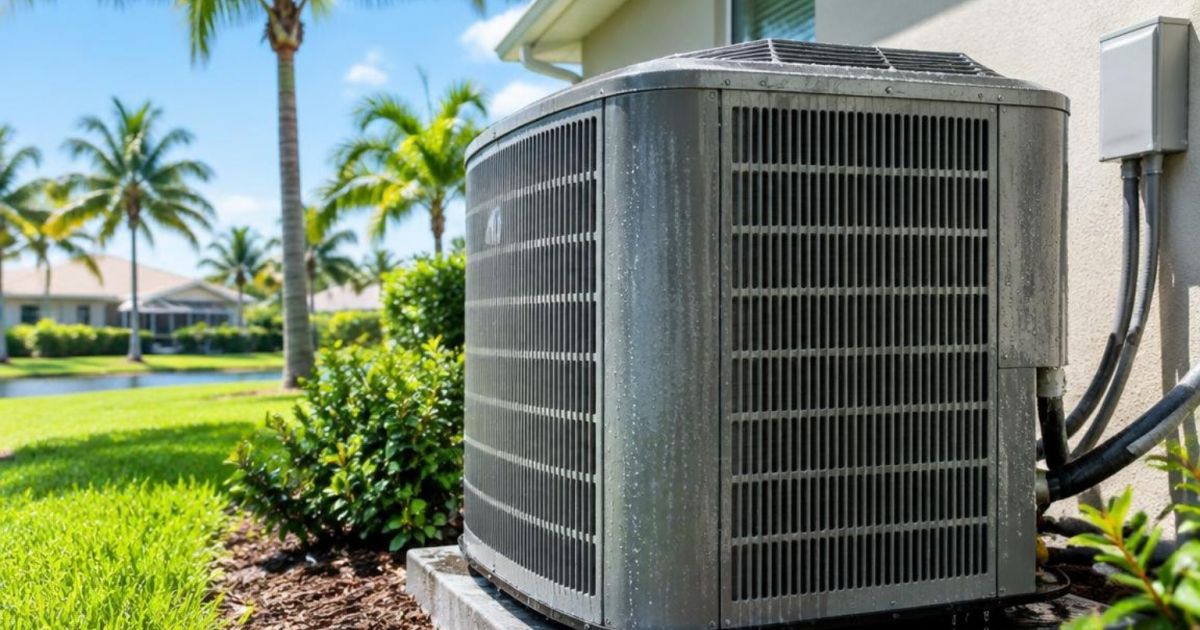
The Smart Homeowner’s Guide to Heat Pumps
Heat pumps are one of the most energy-efficient ways to heat and cool your home — using a single system for year-round comfort.
Here’s a quick snapshot of what you need to know:
| Topic | Key Fact |
|---|---|
| What it does | Heats and cools your home using one system |
| How it works | Moves heat rather than generating it |
| Efficiency | Delivers up to 4.5 kWh of heat per 1 kWh of electricity used |
| Best for | Most climates, including hot and humid areas like Florida |
| Average lifespan | Around 15 years with proper maintenance |
| Cost savings | Can cut heating electricity use by up to 75% vs. electric resistance heating |
| Incentives | Federal tax credits up to $2,000 available through 2032 |
Whether you’re dealing with a sweaty Florida summer or an unexpected cold snap in winter, a heat pump can handle both — often more efficiently than a traditional furnace or air conditioner.
This guide covers everything: how heat pumps work, the different types available, efficiency ratings, costs, cold-climate performance, installation, and maintenance. By the end, you’ll know exactly whether a heat pump is the right choice for your home.
I’m Dustin Caison, President and CEO of Southern Air Cooling & Heating — a family-owned HVAC company serving North Florida since 1980 — and I’ve spent over two decades working hands-on with heat pumps across all kinds of homes and climates. I’ll walk you through everything you need to make a confident, informed decision.
What are Heat Pumps and How Do They Work?
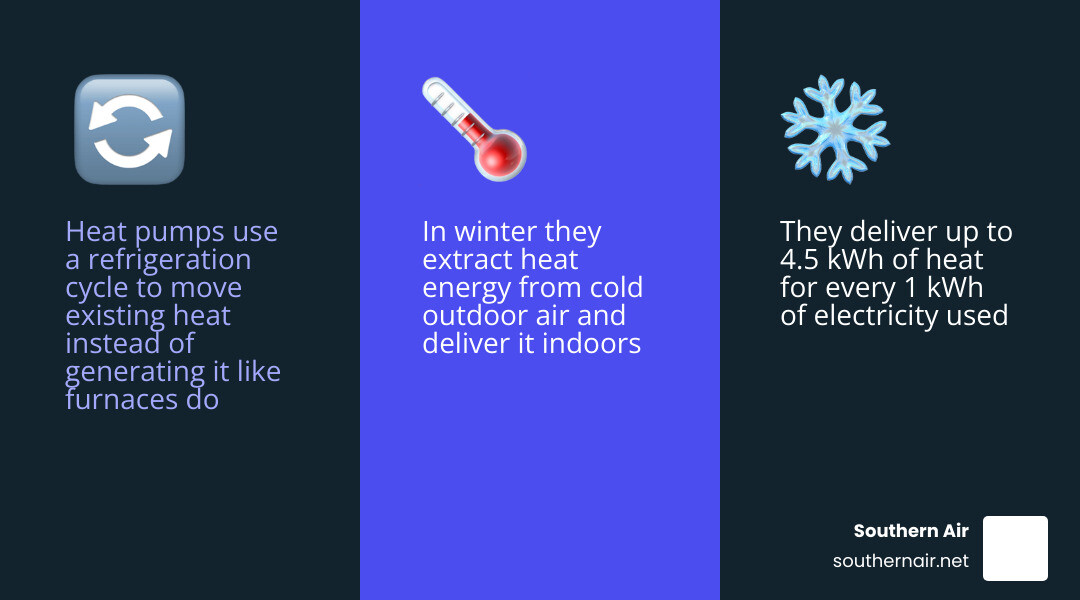
At its core, a heat pump is a transportation device. Unlike a furnace, which creates heat by burning fuel (like natural gas or propane), or an electric baseboard heater that creates heat through resistance, a heat pump doesn’t “make” heat. Instead, it moves heat from one place to another.
Think of it like your kitchen refrigerator, but on a much larger scale. Your fridge works by pulling heat out of the insulated box and dumping it into your kitchen. A heat pump does the same thing for your whole house. In the summer, it pulls heat from your indoor air and moves it outside. In the winter, it reverses the process, extracting heat from the outdoor air (yes, even cold air has heat energy!) and pumping it into your living room.
This magic happens through the refrigeration cycle. The system uses a chemical called refrigerant that changes state from liquid to gas at very low temperatures. The four main components that make this possible are:
- The Evaporator Coil: Where the refrigerant absorbs heat.
- The Compressor: Which squeezes the refrigerant, raising its temperature and pressure.
- The Condenser: Where the refrigerant releases its heat.
- The Reversing Valve: The “brain” of the operation that switches the direction of the refrigerant flow, allowing the system to switch between heating and cooling.
As the ENERGY STAR guide on how heat pumps work explains, this process is incredibly efficient because moving heat takes far less energy than creating it. If you still have questions about the mechanics, you can get answers to your burning questions about heat pumps from our local experts.
Exploring the Main Types of Heat Pumps
Not every home is built the same, and neither is every heat pump. Depending on your property size, your budget, and whether you have existing ductwork, you’ll likely choose one of the three main categories defined by the Department of Energy.
Air-Source Heat Pumps (Ducted and Ductless)
The air-source heat pump (ASHP) is the most common type we install in Palatka and the surrounding North Florida areas. These systems use the outside air as their “heat source” in the winter and their “heat sink” in the summer.
- Ducted Systems: These are “drop-in” replacements for traditional central air conditioners and furnaces. They use your home’s existing network of ducts to distribute air.
- Ductless Mini-Splits: These are perfect for older homes in places like Crescent City or Green Cove Springs that don’t have room for bulky ductwork. A small outdoor unit connects to one or more indoor units mounted on the wall or ceiling. There are several key benefits of ductless mini-split systems for homeowners in Northern Florida, including the ability to create “zones” where you only heat or cool the rooms you are actually using.
According to ENERGY STAR, today’s air-source models can deliver up to three times more heat energy than the electricity they consume.
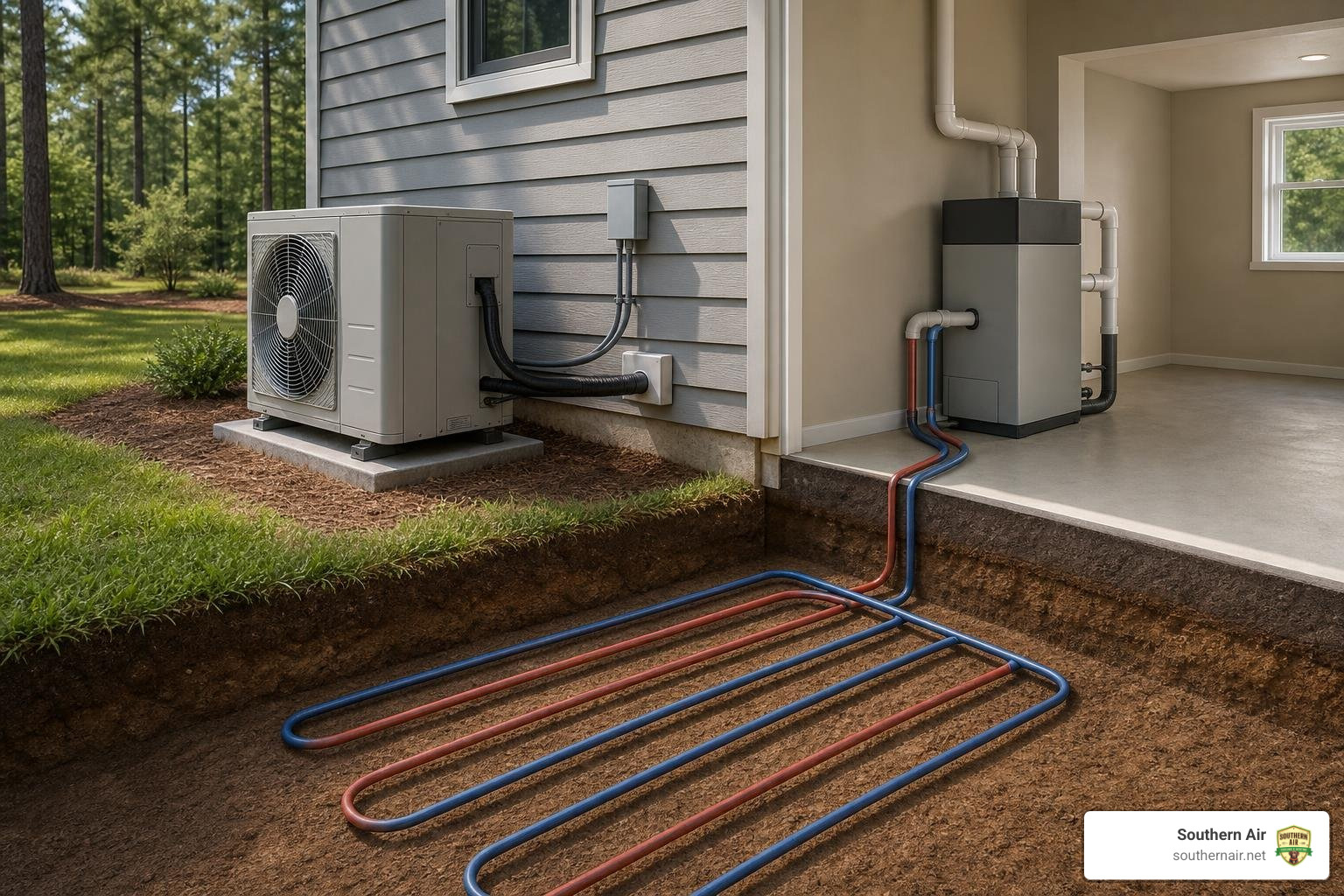
Ground-Source and Geothermal Systems
Geothermal heat pumps (GSHPs) are the “luxury SUVs” of the HVAC world. Instead of using the air, they use the constant temperature of the earth (usually about 55°F a few feet underground) to exchange heat. They do this through a series of “ground loops”—pipes buried in your yard filled with water or refrigerant.
While they are incredibly efficient—using roughly 61% less energy than standard models—they are also much more expensive to install because of the excavation required.
ASHP vs. GSHP Comparison Table (Estimated for 2026)
| Feature | Air-Source (ASHP) | Ground-Source (GSHP) |
|---|---|---|
| Installation Cost | $6,000 – $12,000 | $20,000 – $45,000 |
| Efficiency (COP) | 2.0 – 4.0 | 3.0 – 6.0 |
| Lifespan | 15 years | 25+ years (50+ for loops) |
| Payback Period | 3 – 6 years | 5 – 10 years |
Absorption and Hybrid Heat Pumps
Absorption heat pumps are a bit different because they don’t use electricity to run a compressor. Instead, they use a thermal energy source like natural gas, propane, or even solar-heated water. These are more common in large-scale industrial settings but are becoming more available for residential use.
Hybrid (Dual-Fuel) Systems are a popular choice in regions that get very cold. These systems pair an electric heat pump with a gas furnace. The heat pump handles the cooling and the heating during mild weather, and the gas furnace kicks in only when the temperature drops below freezing. Despite what you might hear, there are many common myths about heat pumps in Palatka, FL, such as the idea that they can’t handle Florida’s “winter” nights. In reality, a modern heat pump is more than enough for our climate.
Efficiency, Costs, and Environmental Impact
When we talk about heat pumps, we often use technical acronyms. Here is what they actually mean for your wallet:
- COP (Coefficient of Performance): This measures how much heat you get for every unit of electricity you put in. A COP of 4.0 means you get 4 units of heat for 1 unit of power. For comparison, an electric space heater has a COP of 1.0.
- SEER2 (Seasonal Energy Efficiency Ratio): This measures cooling efficiency. The higher the number, the less it costs to run your AC in July.
- HSPF2 (Heating Seasonal Performance Factor): This measures heating efficiency over a season.
The benefits of heat pumps for Florida homeowners are massive. Because they transfer heat rather than generate it, they can reduce your electricity use for heating by up to 75% compared to electric resistance furnaces.
From an environmental standpoint, heat pumps are a game-changer. About 40% of global carbon emissions come from buildings, mostly from heating and cooling. Research shows that heat pumps could satisfy over 80% of global space and water heating needs with a significantly lower carbon footprint than gas-fired boilers. In the United States, roughly 70% of houses could reduce their total emissions just by switching to a heat pump.
Performance in Cold Climates and Advanced Technology
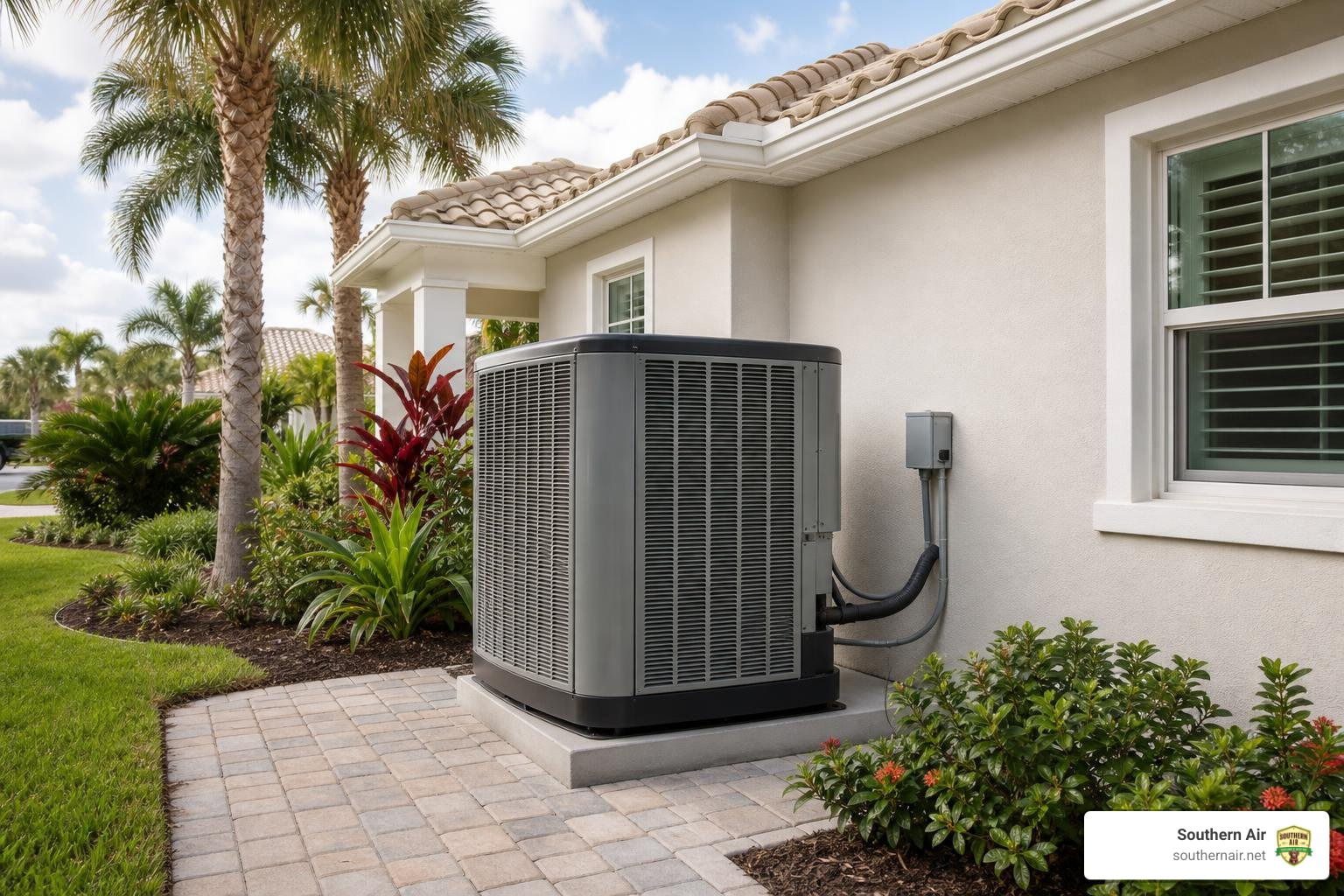
One of the biggest advancements in HVAC technology over the last few years is the “Cold Climate Heat Pump.” In the past, heat pumps struggled when the temperature dropped below 30°F. But as of May 2026, modern units are a different breed.
Today’s high-end models use variable-speed compressors (also called inverter technology). Traditional compressors are either “on” or “off”—like a light switch. Variable-speed compressors are more like a dimmer switch; they can slow down or speed up to match the exact heating needs of the home. This prevents the “blast of hot air followed by a chill” cycle and keeps the home at a steady temperature.
Other advancements include:
- Flash Injection: This boosts the heating capacity in extremely cold weather.
- Desuperheaters: These allow your heat pump to provide “free” hot water during the summer by using the waste heat pulled from your home.
When considering a heat pump replacement in North Florida, these technologies ensure that even during a rare freeze in Palatka or Elkton, your home stays toasty without breaking the bank.
Installation and Maintenance: What Homeowners Need to Know
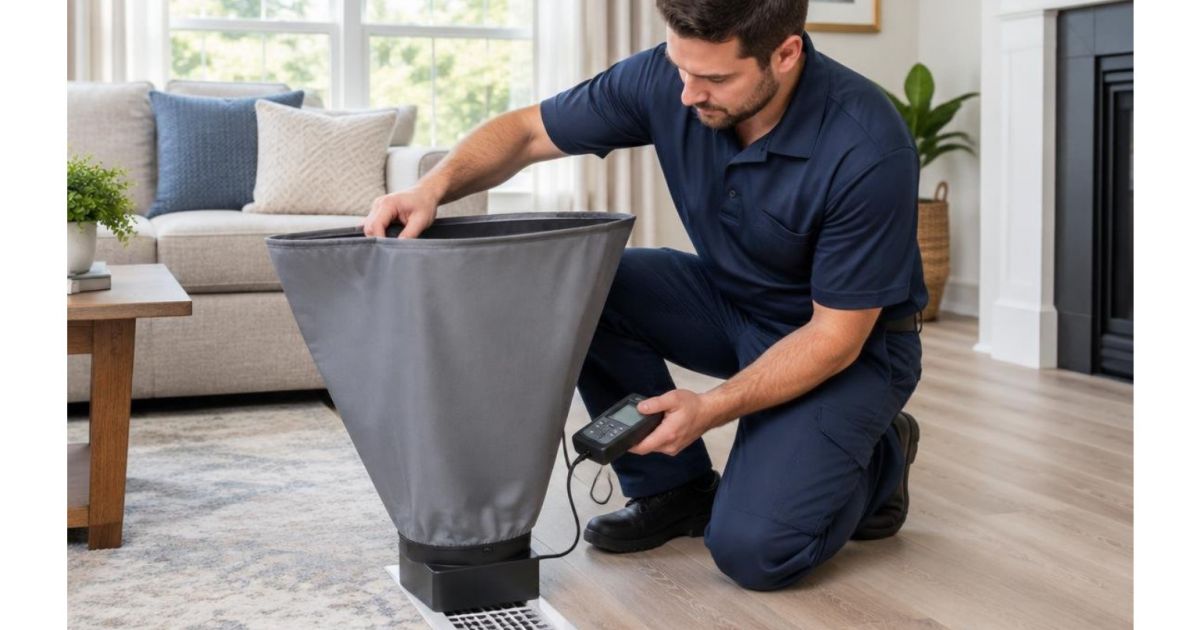
Installing a heat pump isn’t a DIY weekend project. It requires a “Manual J” calculation—a complex formula that determines the exact size of the unit your home needs based on square footage, insulation, window types, and even the direction your house faces.
Before you install, we always recommend “weatherizing” your home. Adding insulation to your attic and sealing leaky windows ensures your new heat pump doesn’t have to work harder than necessary.
There are also significant financial incentives available in 2026. Under federal programs, you can claim a tax credit of up to $2,000 for an ENERGY STAR certified heat pump. Many local utilities in areas like Green Cove Springs and Saint Augustine also offer rebates that can knock thousands off the upfront cost.
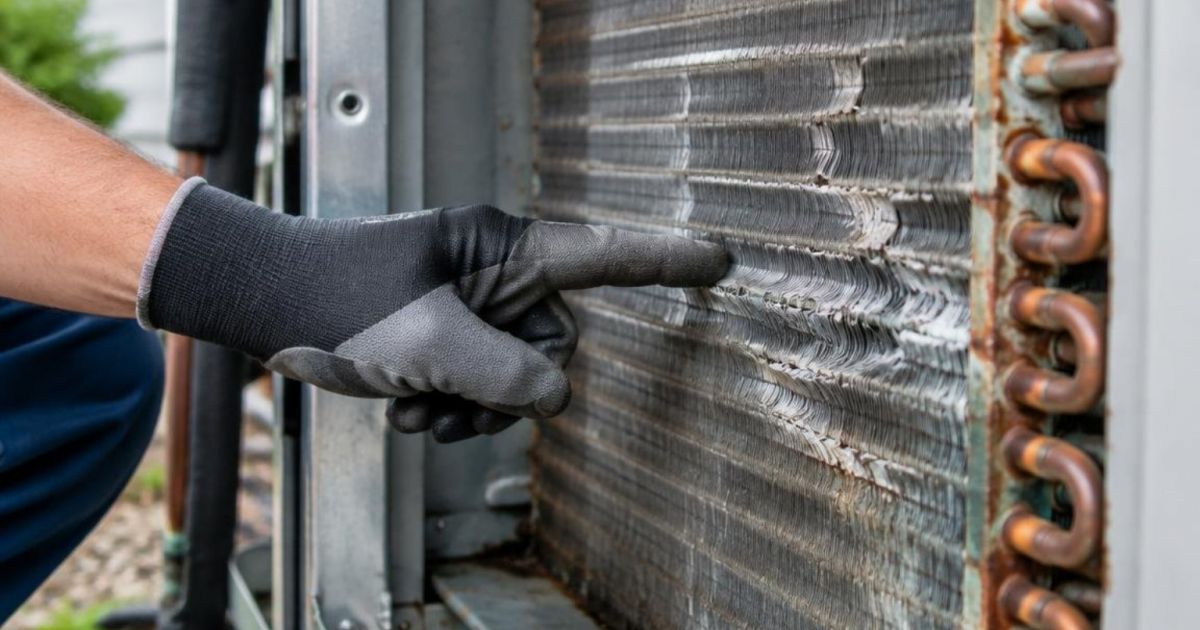
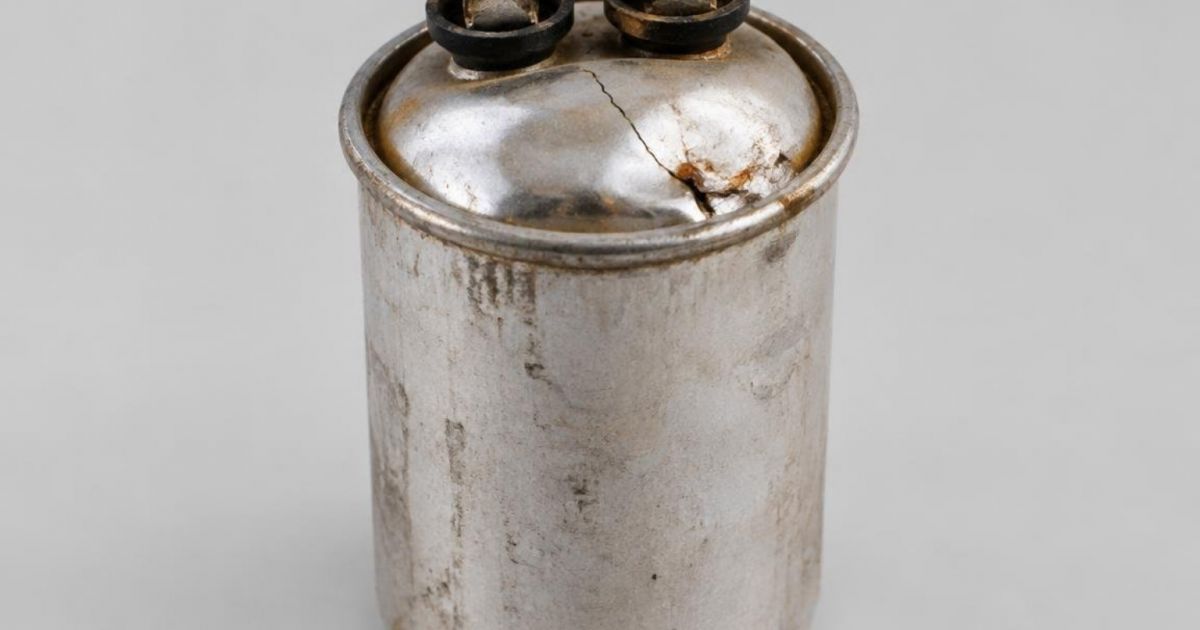
Once installed, maintenance is the key to longevity. Because heat pumps work year-round (unlike a furnace that sits idle all summer), they accumulate wear and tear faster. There are 11 reasons to hire heat pump installation experts, but the most important one is ensuring the refrigerant charge is perfect. Even a small leak can tank your efficiency. This is why regular heat pump tune-ups are essential in Palatka, FL—they catch small issues before they become $1,000 repairs.
Frequently Asked Questions about Heat Pumps
How long do heat pumps typically last?
Most heat pumps have a lifespan of about 15 years. However, in North Florida, we have very long cooling seasons. This means your system might run for 10 months out of the year! This constant use leads to significant heat pump wear and tear in North Florida’s long cooling seasons. With a “Comfort Club” maintenance plan, you can often push that lifespan toward 20 years, but without maintenance, you might be looking at a replacement by year 10.
Can a heat pump really heat a home in subfreezing temperatures?
Yes! Modern cold-climate heat pumps are tested down to 5°F and can often provide heat even when it’s -20°F outside. In Florida, our “cold” is much milder, but it’s good to know that your system has the muscle to handle anything Mother Nature throws at us. As noted in Wikipedia’s entry on air source heat pumps, the efficiency (COP) does drop as it gets colder, but it remains more efficient than electric resistance heat until it hits extreme negatives.
What are the available incentives for installing a heat pump in 2026?
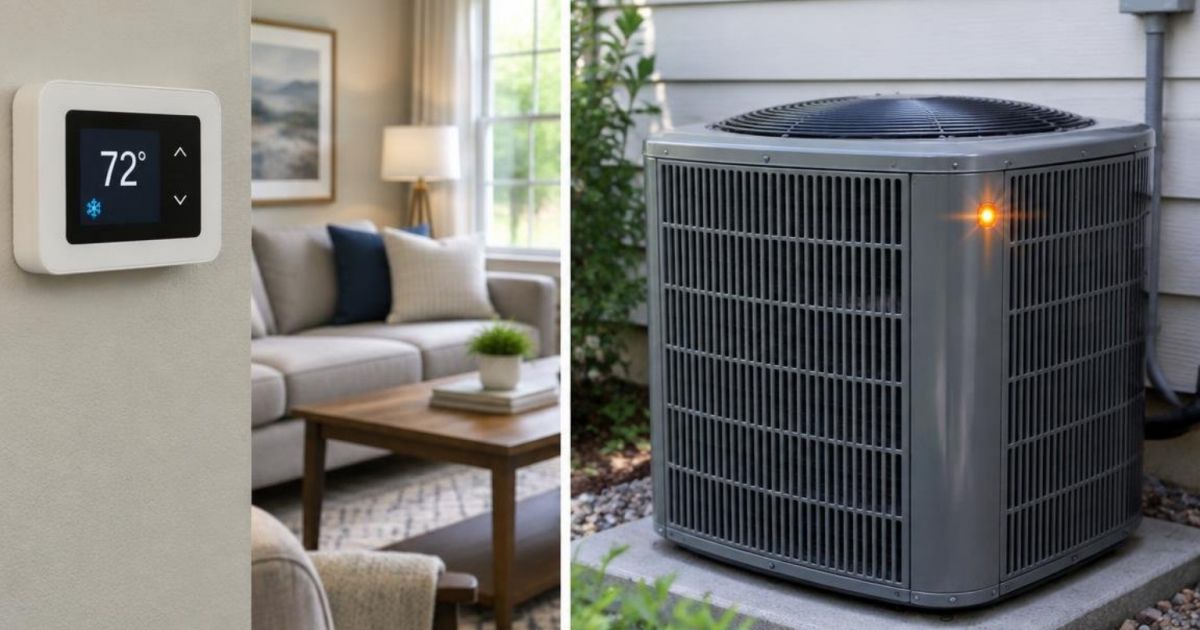
As of May 2026, the federal tax credit (Section 25C) provides up to 30% of the project cost, capped at $2,000 per year. You can also combine this with rebates for other energy-efficient upgrades. For example, there are great benefits of installing a smart thermostat for your heat pump, and some utility programs will even pay for the thermostat if you agree to let them slightly adjust your temperature during peak energy demand events.
Conclusion
Heat pumps are no longer just a “southern climate” solution; they are the future of home comfort across the globe. By moving heat instead of creating it, they offer a cleaner, cheaper, and more comfortable way to live.
At Southern Air Cooling & Heating, we’ve been helping our neighbors in Palatka, Crescent City, and throughout North Florida stay comfortable for over 43 years. We are a family-owned business that prides itself on 5-star service and honest advice. Whether you need a quick repair, a seasonal tune-up, or a brand-new installation, we’re here to help.
Don’t wait for your old, inefficient system to give up the ghost during a heatwave. Schedule your professional heat pump installation or service today and start saving on your energy bills!
Request Service
Please fill out the form below to request an estimate or schedule service.
"*" indicates required fields