Why Indoor Air Quality Sampling Matters for Your Home
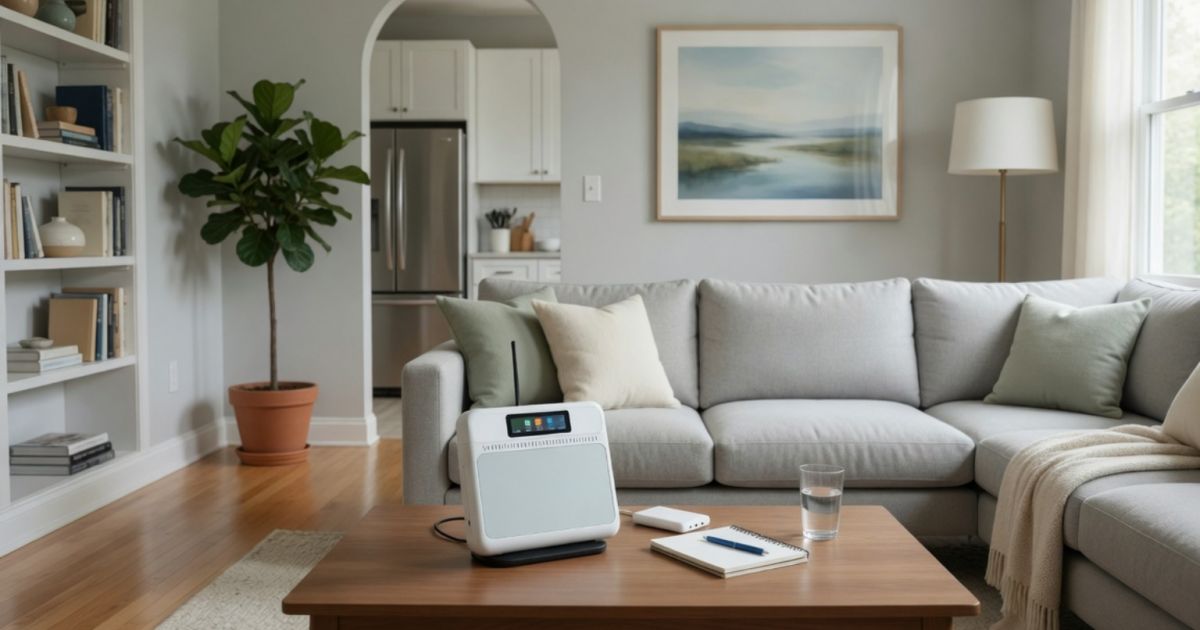
Indoor air quality sampling is the process of collecting and analyzing air from inside a building to measure levels of pollutants like mold, dust, VOCs, radon, and carbon monoxide.
Here’s a quick overview of how it works and why it matters:
| What It Is | How It’s Done | Why It Matters |
|---|---|---|
| Measuring pollutants inside a building | Air samples collected by monitors, pumps, or lab cassettes | Indoor air can be significantly more polluted than outdoor air |
| Identifying mold, VOCs, radon, CO, and more | Continuous, integrated, or grab sampling methods | Long-term exposure can contribute to respiratory issues, fatigue, and serious illness |
| Establishing a safe baseline for occupants | Results compared against recognized health and safety guidance | Helps identify sources and guide remediation |
Most homeowners never think about the air inside their home until someone gets sick, a musty smell will not go away, or the AC runs constantly but comfort never quite arrives. In Florida, where homes are sealed tight against the heat, pollutants can build up quickly when fresh air has nowhere to go.
The truth is, the air you breathe indoors is often more contaminated than the air outside, and most of the time, you cannot see, smell, or taste the problem.
That’s exactly why understanding how to test and sample your indoor air is so important.
I’m Dustin Caison, President and CEO of Southern Air Cooling & Heating, and with over two decades in the HVAC industry serving North Florida homes, indoor air quality sampling is something I’ve seen make a real difference for families dealing with unexplained health symptoms, persistent odors, and comfort problems. In this guide, I’ll walk you through everything you need to know, from how sampling works to what the results actually mean for your family’s health.
Understanding IAQ: Why We Test the Air We Breathe
When we talk about Indoor Air Quality (IAQ), we are referring to the state of the air inside and around buildings, specifically regarding how it impacts the health, comfort, and safety of the people living or working inside.
But why does indoor air drop in quality so quickly? In our neck of the woods, the answer is closely tied to our climate. Florida homes are built to keep the elements out. We seal our windows, lock our doors, and run our air conditioning almost year-round to combat the intense heat and humidity. While this keeps us cool, it also creates a closed loop. Without a steady supply of fresh outdoor air, pollutants released inside have nowhere to escape.
Because of this, indoor air can become more polluted than outdoor air. Over time, these trapped particles accumulate, leading to stagnant, stale air that can trigger allergies and other health issues. To learn more about this phenomenon, you can read about why indoor air quality drops faster in Florida homes than you think.
To protect public health, the Indoor Air Quality – Florida Department of Health provides guidelines and resources highlighting how critical it is to manage moisture and ventilation to prevent indoor air hazards. Monitoring and sampling are the first active steps in identifying these hidden hazards before they impact your family.
Common Indoor Air Pollutants and Their Health Risks
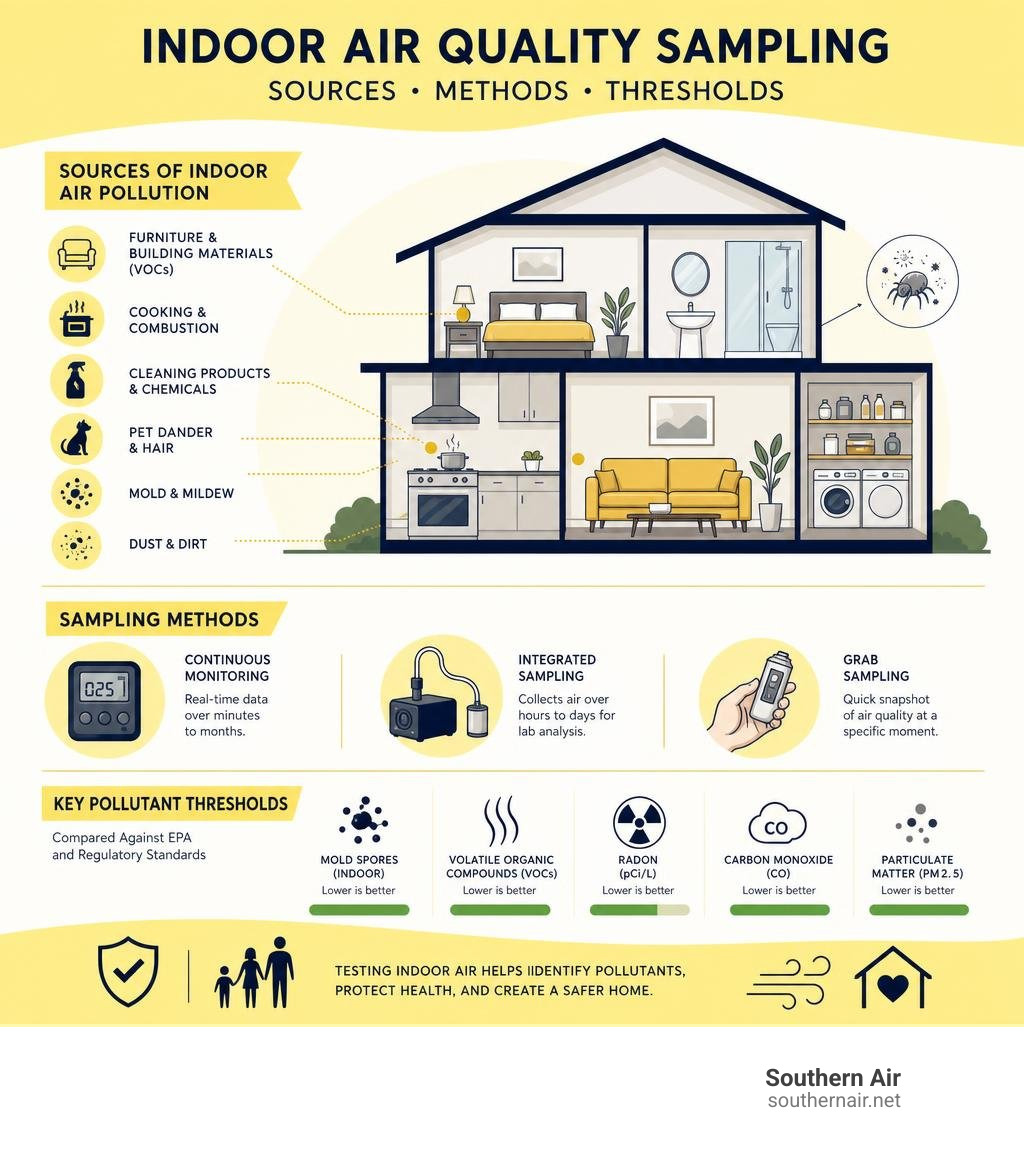
To understand why we sample, we first have to know what we are hunting for. Indoor air pollutants generally fall into a few distinct categories, each with its own set of health risks:
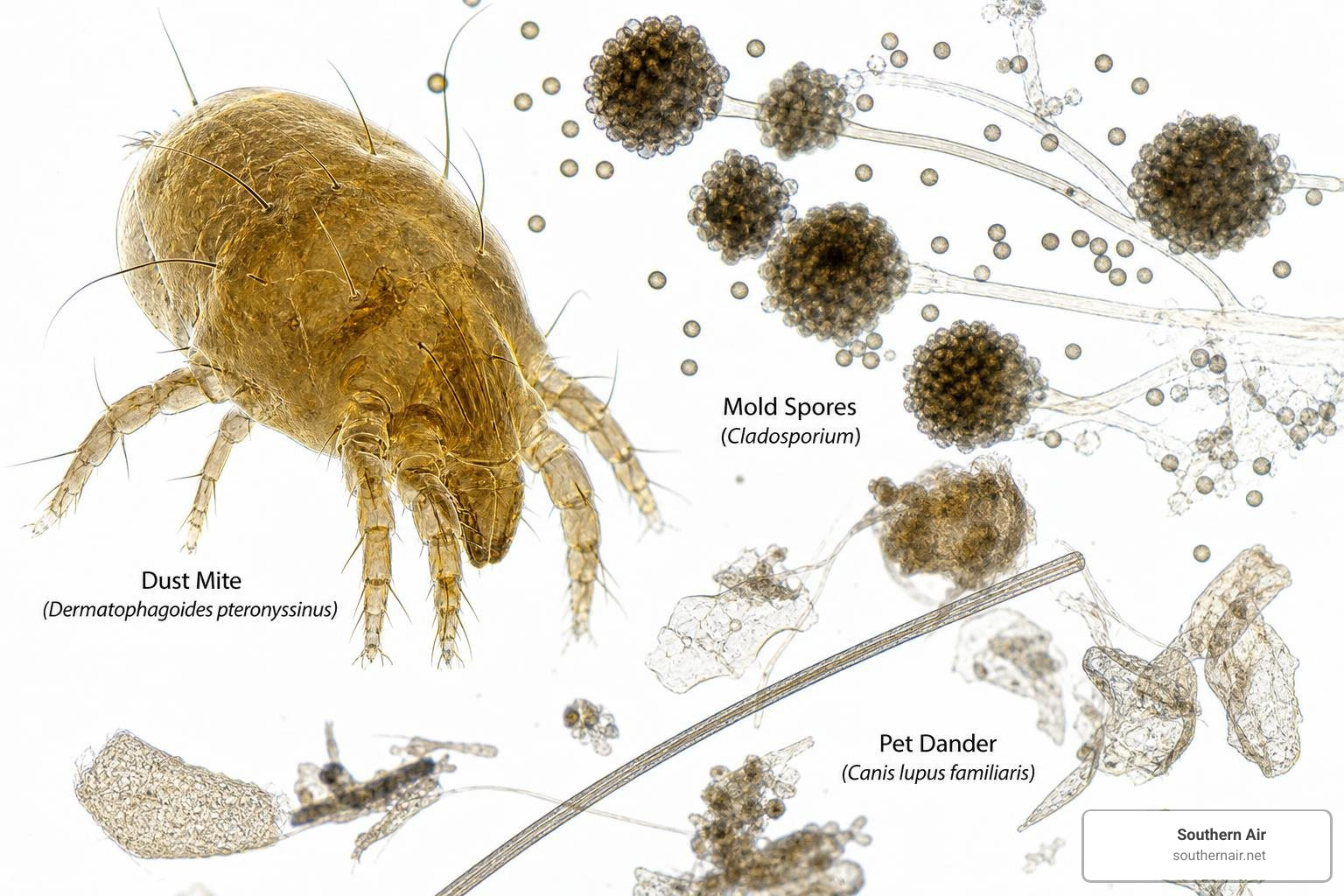
- Biological pollutants: This category includes mold spores, bacteria, viruses, pollen, dust mites, and pet dander. Elevated humidity in Florida homes makes them prime breeding grounds for mold and mildew. Prolonged exposure can lead to headaches, fatigue, and chronic respiratory issues.
- Particulate matter (PM): These are tiny airborne particles like dust, dirt, soot, and smoke. We categorize them by size, such as PM2.5 (fine particles) and PM10 (coarser particles). They can bypass your body’s natural filters, settling deep in your lungs and entering your bloodstream.
- Volatile organic compounds (VOCs): These are toxic chemical gases emitted by everyday household items, including paints, varnishes, cleaning products, cosmetics, and new carpet.
- Radon: A naturally occurring, odorless, radioactive gas that seeps up through the soil into homes. According to the EPA, radon is the leading cause of lung cancer among non-smokers.
- Carbon monoxide (CO): A highly toxic, colorless, and odorless gas produced by incomplete combustion. Sources include gas stoves, heaters, fireplaces, and other fuel-burning home equipment.
To help you visualize what might be floating around in your living spaces, here is a breakdown of common pollutants, where they come from, and how they affect your body:
| Pollutant Category | Common Household Sources | Potential Health Effects |
|---|---|---|
| Biologicals (mold, bacteria, dust mites) | High humidity, damp carpets, leaky ductwork, pets | Allergic reactions, asthma attacks, coughing, congestion, chronic fatigue |
| Particulate matter (PM2.5 and PM10) | Cooking, wood stoves, outdoor dust, pet dander, tobacco smoke | Eye and throat irritation, reduced lung function, cardiovascular issues |
| VOCs (formaldehyde, benzene) | Aerosol sprays, disinfectants, air fresheners, new furniture, glue | Headaches, dizziness, liver and kidney damage, central nervous system damage |
| Radon gas | Soil beneath the home’s foundation, cracked concrete | Lung tissue damage, increased risk of lung cancer over time |
| Carbon monoxide (CO) | Malfunctioning gas furnaces, fireplaces, and other fuel-burning home equipment | Dizziness, headaches, confusion, nausea, and in high concentrations, asphyxiation |
Because these particles are so small and their health effects can build up gradually over years, having proper filtration in place is vital. For residents in our service areas, discovering what makes air filtration essential in Palatka, FL is a great starting point to understanding how to stop these pollutants in their tracks.
Standard Methods for Indoor Air Quality Sampling
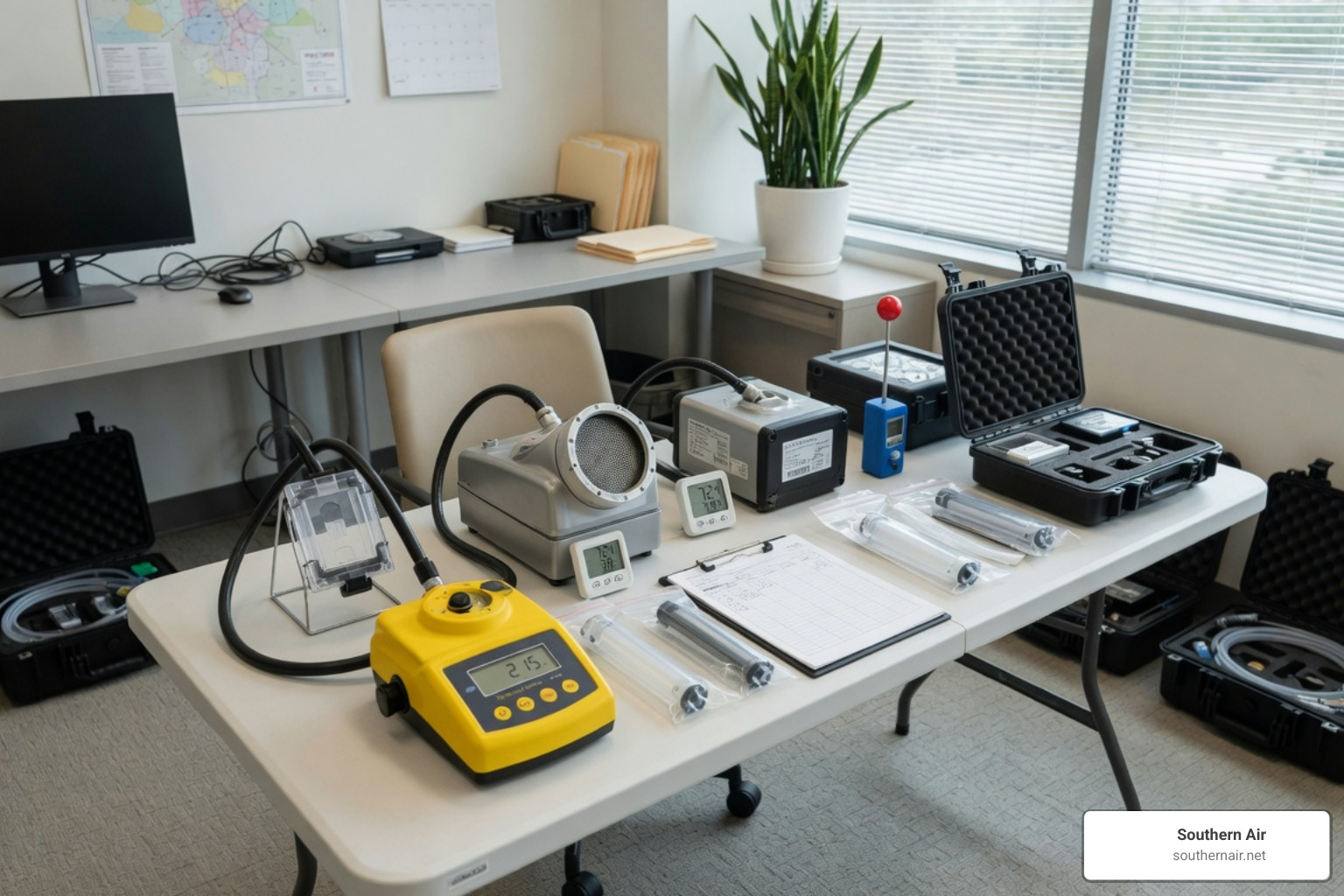
When professionals conduct indoor air quality sampling, they rely on a diverse toolkit of specialized techniques to capture and analyze what is in the air. We do not just wave a magic wand. We use scientific methods designed to catch specific types of contaminants.
One of the most common applications is microbial testing, which focuses on identifying airborne microorganisms like fungi and bacteria. Within microbial testing, there are two primary laboratory approaches:
- Non-culturable analysis: This method uses direct microscopic examination of samples collected via “spore traps.” Because it does not require the organisms to grow, it identifies both viable (living) and non-viable (dead) fungal spores. This provides a rapid, comprehensive snapshot of the total spore count in your home, making it useful for general screenings and post-remediation verification.
- Culturable analysis: Here, biological particles are collected directly onto a growth medium (agar plates) using specialized devices like Andersen or BioStage impactors operating at a precise flow rate of 28.3 liters per minute. The laboratory incubates these plates, allowing the viable spores to grow into colonies. While this takes three to seven days, it allows for highly precise species identification. However, its limitations include the inability to detect non-viable spores that might still trigger allergic reactions.
Spore trap cassettes, such as Air-O-Cell or Allergenco-D, are normally run at a flow rate of 15 liters per minute for a duration of 5 to 10 minutes. This provides a reliable, localized look at the airborne mold burden.
Continuous vs. Integrated vs. Grab Indoor Air Quality Sampling
Depending on the goals of the assessment, we categorize sampling methods into three distinct time-based approaches:
- Continuous monitoring: This involves using digital, sensor-based instruments that track pollutant levels in real time. It is highly effective for identifying trends, tracking spikes, such as PM2.5 rising while cooking, and correlating pollutant levels with daily activities.
- Integrated sampling: This method collects a single sample over an extended period, usually 1 to 8 hours or even weeks for passive radon tests, to calculate an average exposure level. It is ideal for comparing results against regulatory thresholds, which are typically based on 8-hour or 24-hour averages.
- Grab sampling: Also known as spot sampling, this is a quick snapshot measurement taken over a few seconds or minutes. It is the least expensive option and is useful for screening or finding a localized leak, but it cannot account for fluctuations throughout the day.
Here is a quick comparison to help you see how these three strategies match up:
| Sampling Type | Typical Duration | Best Used For | Pros | Cons |
|---|---|---|---|---|
| Continuous | Days, weeks, or permanent | Tracking daily trends, identifying peak spikes, radon monitoring | Real-time data, shows correlation with occupant activity | Higher equipment cost, requires sensor calibration |
| Integrated | 1 to 24 hours, or months for radon | Regulatory compliance testing, determining average exposure | Highly accurate averages, detects low concentrations | No real-time data, requires lab analysis, takes longer |
| Grab (spot) | Seconds to minutes | Emergency leak detection, initial screenings, localized source finding | Low cost, fast results, highly portable | Does not show daily fluctuations, can miss intermittent issues |
It is also important to note that many modern digital sensors used in continuous monitors require calibration periods before they provide accurate readings. For example, continuous VOC and carbon dioxide ($CO_2$) sensors typically require about a week to self-calibrate, while electronic radon sensors can take up to 30 days of continuous operation to establish a highly reliable baseline.
Personal Monitors vs. Fixed-Station Sampling
Where we place our sampling equipment is just as important as how long we run it.
- Personal monitors: These are lightweight, battery-powered devices often worn by an individual near their breathing zone. They operate at low flow rates and measure the exact concentration of pollutants a specific person is exposed to as they move from room to room. This is the gold standard for true human exposure assessment.
- Fixed-station sampling: This involves setting up stationary sampling equipment at designated locations within a building. To get representative data, we place these monitors at breathing height, typically 3 to 6 feet off the floor, in areas where occupants spend the most time, keeping them away from direct drafts, exterior doors, and highly humid spots like bathrooms.
While personal monitors tell us exactly what an individual is breathing, fixed-station sampling is much better suited for evaluating how well a home’s central HVAC and ventilation systems are performing as a whole.
How to Measure Ventilation and Prepare for Testing
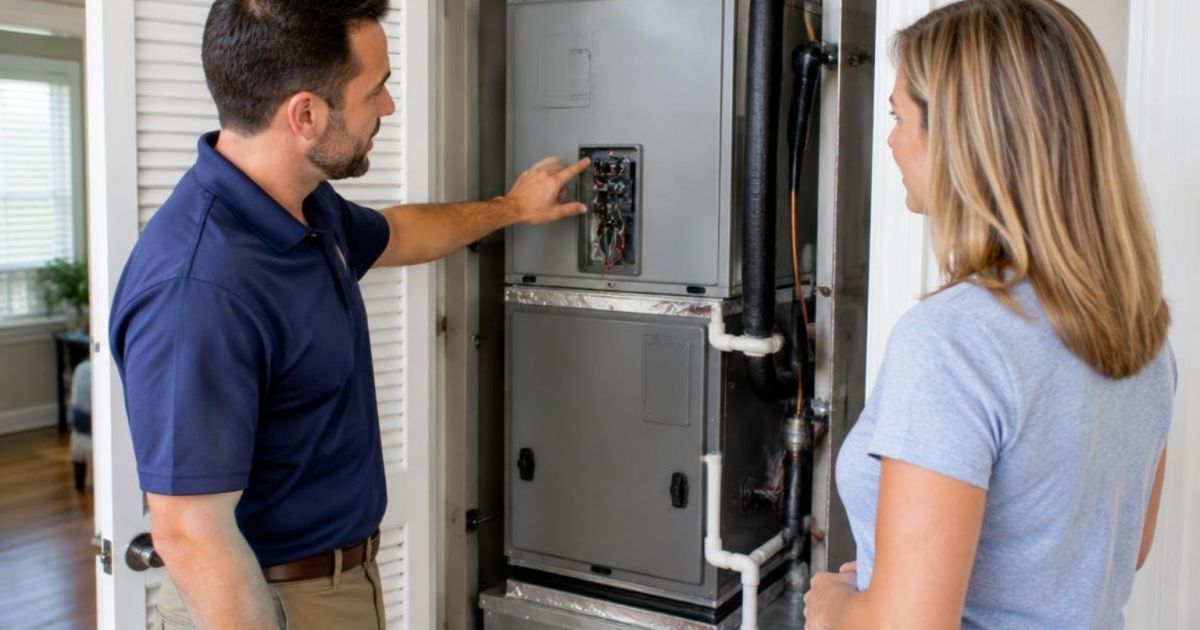
Before we start pulling air through filters and cassettes, we have to look at how air moves through your home. Your heating, ventilation, and air conditioning (HVAC) system is the lungs of your house. If your ductwork is leaky, or if your system is not circulating air properly, pollutants will pool in stagnant zones. This is why addressing physical duct issues is a key precursor to any long-term air quality plan. You can read more about how this works in our guide on how air duct repair can improve your home’s air quality.
Measuring Ventilation and Air-Exchange Rates
To understand how clean your air is, we must measure the ventilation rate, specifically the air changes per hour (ACH). This tells us how many times the entire volume of air inside your home is replaced with outdoor air every hour.
There are a few ways professionals measure or estimate this:
- Tracer-gas decay technique: This is the most common scientific method. We release a safe, non-reactive tracer gas, such as sulfur hexafluoride or helium, into the home until it reaches a uniform concentration. We then turn off the gas and measure its exponential decay over time. Because the gas escapes as fresh air enters, the rate of decay tells us exactly how much outdoor air is leaking in.
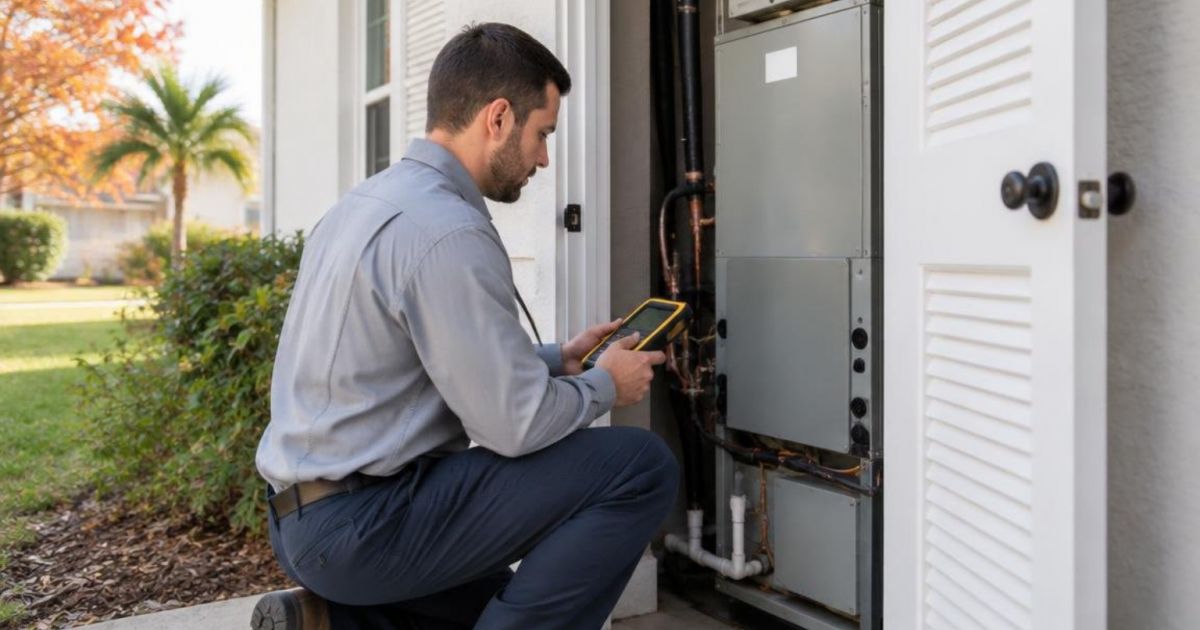
- Mechanical ventilation measurements: We use tools like pitot tubes, inclined manometers, and anemometers to measure the physical volume of air moving through your mechanical ventilation intakes and exhaust ducts.
- The myth of perfect mixing: When calculating ventilation, mathematical models often assume perfect mixing, the idea that fresh air instantly and evenly mixes with indoor air. In reality, perfect mixing is impossible to achieve. Stagnant corners, closed bedroom doors, and furniture layout all create micro-environments where pollutants can linger even if your overall ACH calculation looks good on paper.
Preparing Your Building for Indoor Air Quality Sampling
If you are having professional chemical or VOC testing done, you cannot just walk in and set up a pump. To get reliable, representative data, the building must be carefully prepared. If you do not prepare, a single open window or a freshly sprayed cleaning product can completely ruin your laboratory results.
Standardized protocols, such as the standardized EPA protocol for characterizing indoor air quality in large office buildings, emphasize a strict preparation window. When we prepare a home or building for testing, we follow these essential steps:
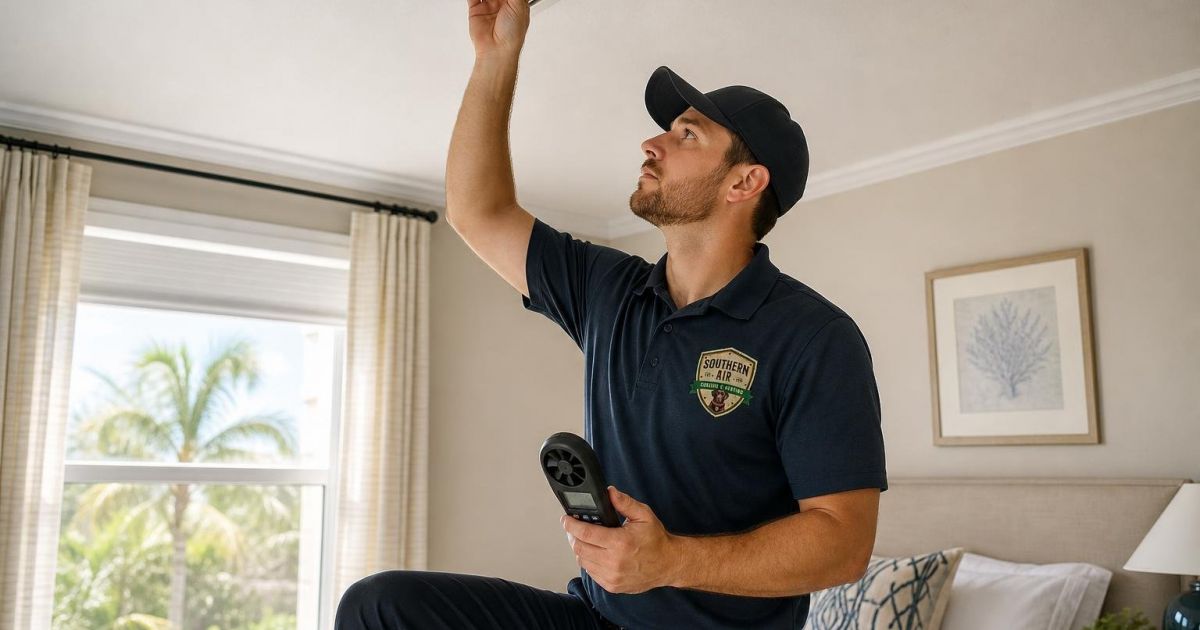
- Pre-sampling inspection: We perform a complete walkthrough of the property to evaluate the structure, layout, and airflow patterns. We also use smoke tubes to visually confirm pressure differences between rooms.
- Product inventory: We conduct a detailed chemical inventory of every room. This includes recording the presence of paints, solvents, perfumes, and cleaning agents, as even tightly sealed containers can slowly leak VOCs.
- The 24-hour lockdown: For at least 24 hours prior to and during the sampling period, occupants should take reasonable measures to avoid activities that introduce temporary chemical spikes. This means:
- No opening of windows or doors, except for normal entry and exit.
- No smoking indoors.
- No painting, varnishing, or deep cleaning.
- No using wood stoves or fireplaces.
- No operating gasoline-powered tools in attached garages or enclosed spaces.
- No using aerosol sprays, perfumes, or scented plug-ins.
- Temperature and HVAC control: Your HVAC system should be run normally to maintain typical indoor temperatures, usually between 68°F and 78°F. This represents your actual daily exposure, as temperature and humidity directly influence how fast chemicals outgas from furniture and building materials.
Interpreting Results and Ensuring Data Quality
Once your samples are collected and sent to a lab, you will receive a detailed report filled with chemical names and numbers. To make sense of these findings and decide on the next steps for your home, it helps to understand how these numbers compare to established health standards. If you find your home has elevated levels, you can explore how to address them by looking at how to enhance your home’s health with indoor air quality services.
Understanding Acceptable Pollutant Thresholds
Regulatory agencies and building certification programs, such as LEED, have established strict maximum allowable concentrations for common indoor air contaminants. These thresholds are designed to protect occupants from both acute irritation and long-term health risks:
- Formaldehyde: This common VOC should ideally be kept below 20 micrograms per cubic meter ($\mu g/m^3$), which is roughly equivalent to 16.3 parts per billion (ppb).
- Total volatile organic compounds (TVOCs): Rather than measuring thousands of individual chemicals, we look at the sum of all VOCs. The acceptable limit for baseline IAQ is typically $<200 \mu g/m^3$.
- Carbon monoxide (CO): Levels should never exceed 9 parts per million (ppm) over an 8-hour exposure window.
- California CREL compounds: Many strict indoor protocols reference the California Chronic Reference Exposure Levels (CRELs), which target specific hazardous air pollutants at incredibly low concentrations to protect sensitive individuals like children and the elderly.
- Mold species variation: Unlike chemicals, there is no single acceptable number for mold spores because mold exists naturally outdoors. Instead, we use a comparison method. The types of mold found indoors should match the types found outdoors, and the indoor concentrations should be significantly lower. If you have unique mold species indoors that are not present outside, you likely have an active indoor growth source.
Quality Assurance and Quality Control (QA/QC) Measures
To ensure that your air quality data is accurate and legally defensible, strict QA/QC protocols must be followed during sampling:
- Field blanks: These are unused sampling filters or cassettes that are handled exactly like the real samples, opened in the field and immediately sealed without pulling air through them. We submit them to the lab alongside the actual samples. Testing field blanks helps ensure that the collection media was not contaminated during transit or storage.
- Laboratory certification: Always ensure that the laboratory analyzing your samples holds a current Environmental Laboratory Approval Program (ELAP) certification or equivalent national accreditation for the specific analytes being tested. In many states, analyzing environmental samples without certified laboratories is not legally recognized.
- Data validation: This is the process of reviewing the sampling logs, flow rates, pump calibration records, and lab blank results to confirm that no errors occurred during the collection process.
Frequently Asked Questions about IAQ Testing
How often should I test my home for radon?
The EPA recommends testing your home for radon every two years. However, because radon levels can fluctuate dramatically based on soil moisture, weather changes, barometric pressure, and how your HVAC system pressurizes your home, relying solely on a one-time test can be misleading. For the most accurate picture, we recommend using a continuous digital radon monitor in your lowest living area, like a basement or first floor, to track seasonal variations.
Can indoor plants replace mechanical air filtration?
While indoor plants are great for your mental well-being and can absorb trace amounts of gases, scientific studies have shown that their actual impact on home air quality is incredibly small. You would practically need to turn your living room into a dense, tropical jungle to match the air-cleaning power of a single mechanical filtration system. To truly pull fine particles, dander, and mold out of your breathing space, mechanical solutions are required. You can learn more about how dedicated filtration systems work by reading about how air purifiers improve your home’s air quality.
What is the acceptable difference between indoor and outdoor mold levels?
As a general rule, indoor mold spore levels should be lower than outdoor levels, and the types of mold, also called the species distribution, should be highly similar. If your indoor sample shows high levels of moisture-loving molds like Penicillium/Aspergillus or Stachybotrys that are absent in the outdoor air, it is a clear indicator of an active indoor moisture problem.
Conclusion
Taking control of your indoor air quality does not have to be a guessing game. By utilizing standardized indoor air quality sampling techniques, we can strip away the mystery and pinpoint exactly what is lingering in your home’s air. Whether you are dealing with unexplained allergy symptoms, persistent humidity issues, or simply want to establish a healthy baseline for your family, getting the facts is the first step.
At Southern Air Cooling & Heating, we have spent over 43 years delivering family-owned excellence and 5-star service to our neighbors across North Florida. From Palatka and Crescent City to East Palatka, Fleming Island, Georgetown, Green Cove Springs, and St. Augustine, our certified technicians are here to help you breathe easier.
Ready to make a lasting improvement to your home’s air? Consider joining our priority Comfort Club plan for regular maintenance, or take advantage of our current specials. To take immediate action, you can learn how to take control of your indoor air quality this fall with an electronic air cleaner or explore our comprehensive Southern Air Cooling & Heating indoor air quality services today. Give us a call, and let’s make your home a safer, cleaner place to breathe!
Request Service
Please fill out the form below to request an estimate or schedule service.
"*" indicates required fields