When AC Running Constantly Is Normal, and When to Take Action
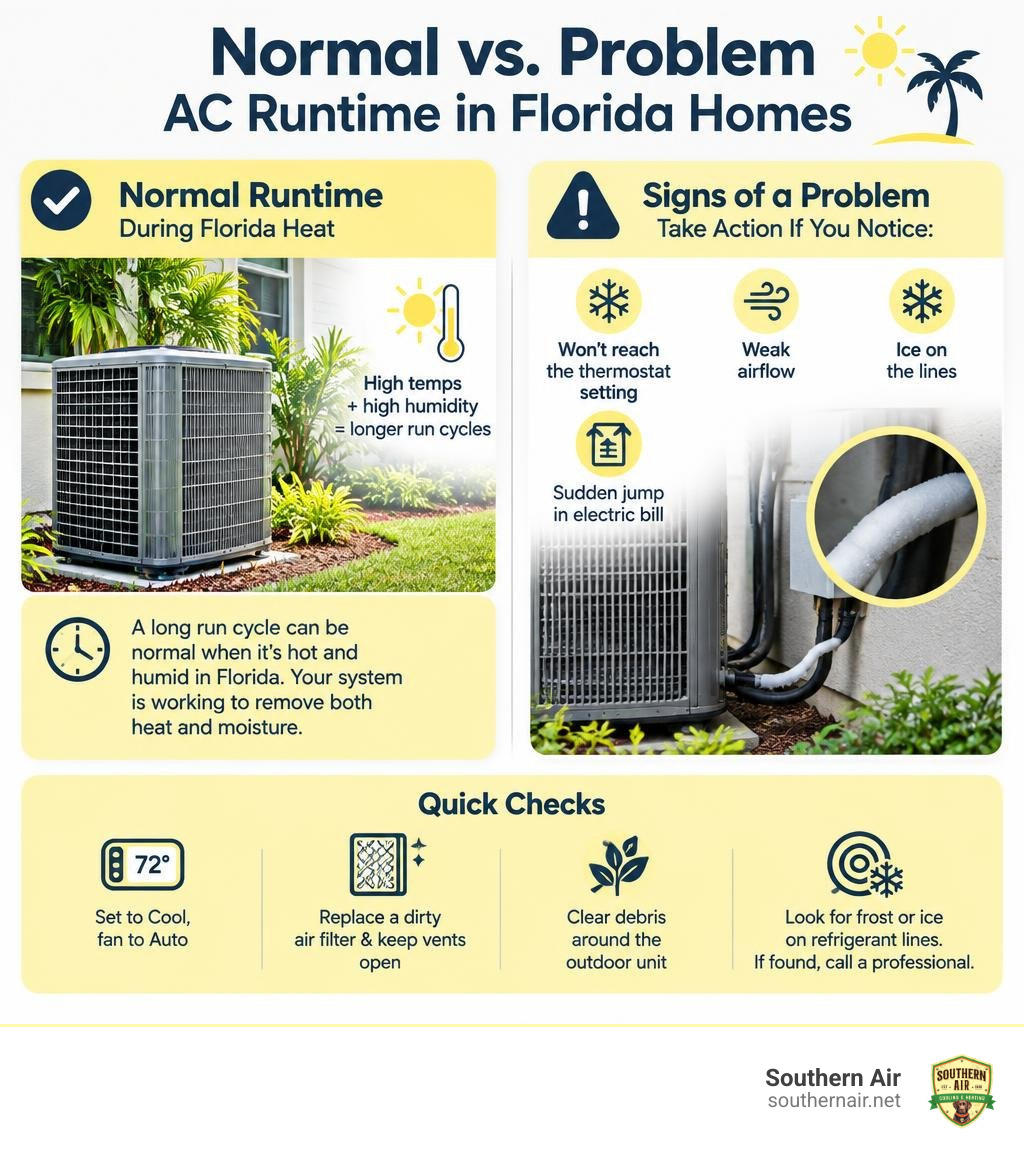
An AC running constantly can be normal during a Florida heat wave, especially when temperatures and humidity are high. But if your home will not reach the thermostat setting, airflow feels weak, ice appears on the lines, or your electric bill suddenly jumps, your system likely needs attention.
Start with these quick checks:
- Set the thermostat to Cool and the fan to Auto, not On.
- Replace a dirty air filter and make sure supply and return vents are open.
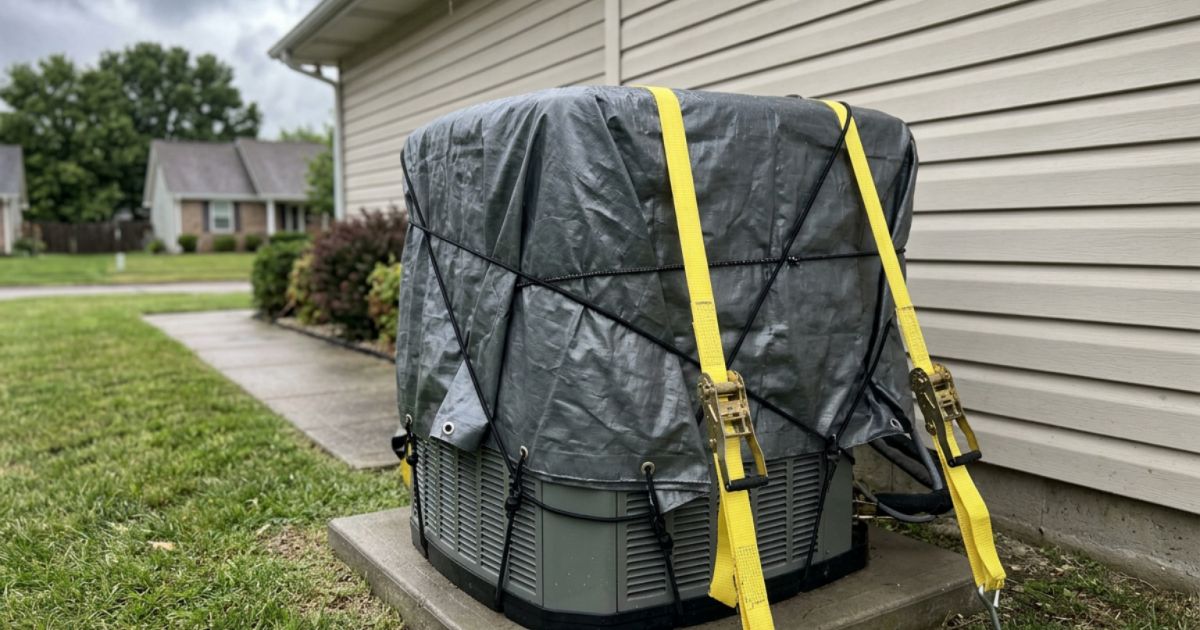
- Clear leaves, grass, and other debris from around the outdoor unit.
- Look for frost or ice on refrigerant lines. If you find ice, turn cooling off and call an HVAC professional.
Florida AC systems often run for long stretches because they must remove both heat and moisture from indoor air. A long run cycle is not automatically a failure. In fact, a properly sized system may run nearly continuously during the hottest part of the day while keeping the home comfortable. The concern is an AC that runs without cooling effectively.
For more than 43 years, the family-owned team at Southern Air Cooling & Heating has helped Florida homeowners determine whether an AC running constantly reflects normal summer demand, a maintenance issue, or a system problem that needs repair.
Why Is Your AC Running Constantly? Normal Operation vs. System Malfunction
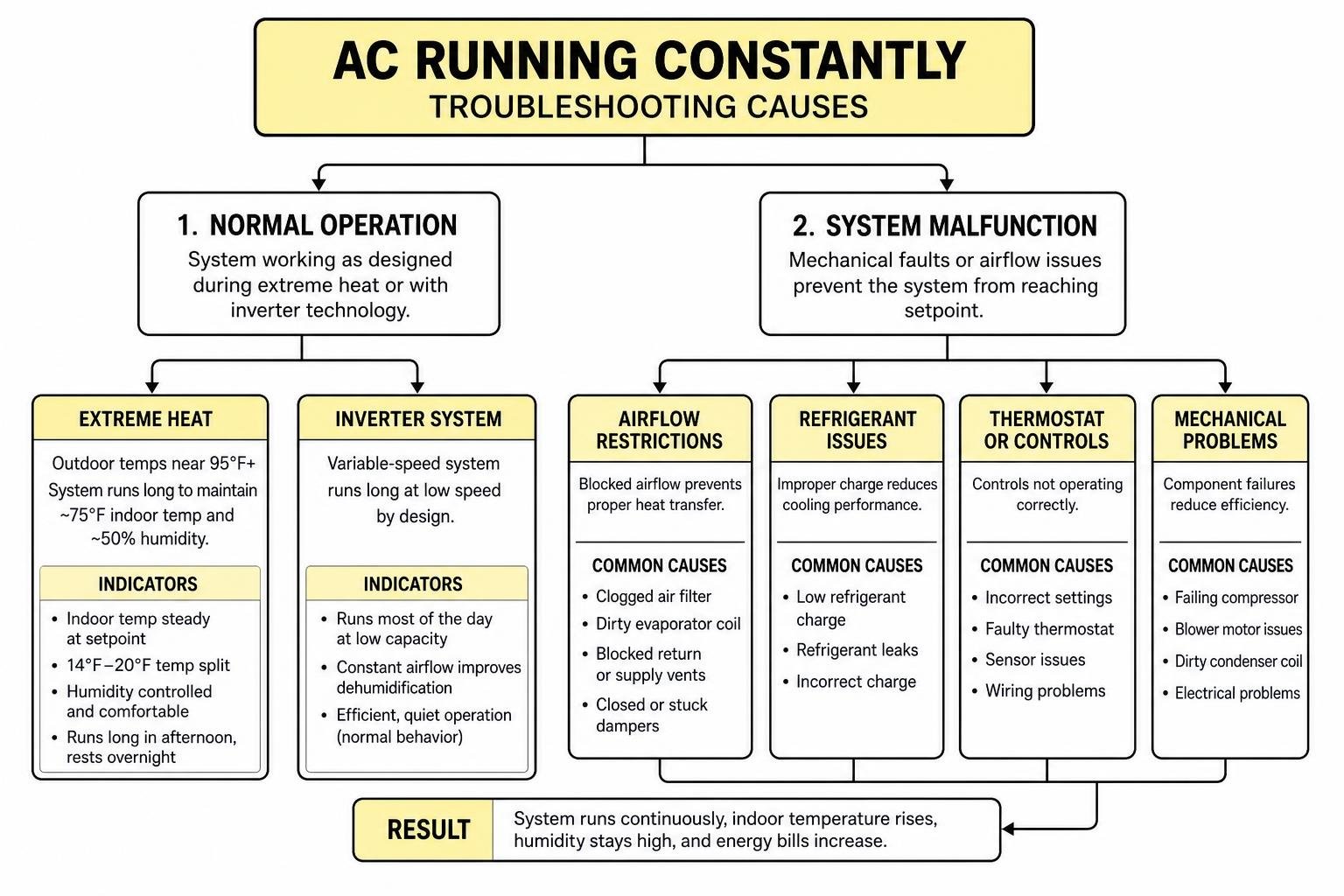
In our northeast Florida service areas, from Palatka and East Palatka to Crescent City and Welaka, summer temperatures and humidity can put standard residential cooling equipment under heavy demand. During extreme heat, your AC may operate near maximum capacity for long stretches without signaling a problem.
Most residential AC units are designed to maintain an indoor temperature near the thermostat setting under expected local design conditions. When outdoor temperatures reach the mid-90s or higher, the system may need extended runtime to maintain a comfortable indoor environment and manage humidity.
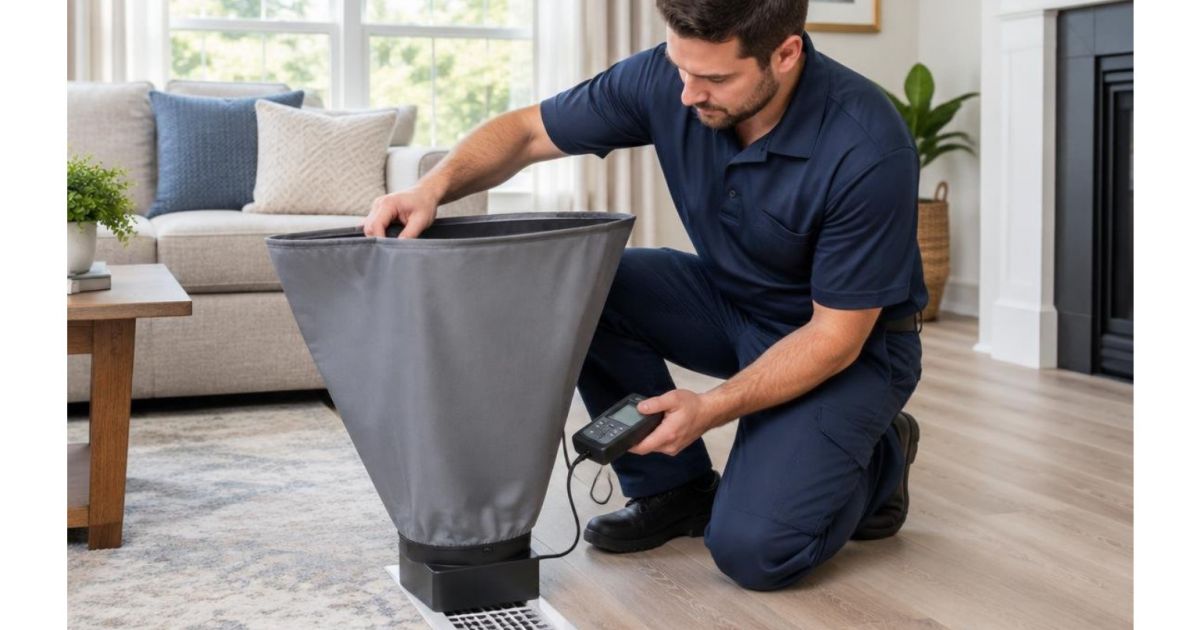
To gauge performance during a long cycle, compare the temperature at a return vent with the air leaving a nearby supply register. A typical operating system often produces a temperature difference of about 14°F to 20°F. If the home holds its target temperature and the supply air is noticeably cooler, your AC may simply be working against the Florida heat.
| Operational Indicator | Normal Heat Wave Operation | System Malfunction |
|---|---|---|
| Indoor Temperature | Holds steady at or near setpoint, such as 74°F to 76°F | Continues to rise despite continuous operation |
| Temperature Split (Delta-T) | 14°F to 20°F drop across supply and return | Less than 14°F drop, with lukewarm supply air |
| Indoor Humidity | Controlled and comfortable | Muggy, sticky, or elevated indoor humidity |
| Refrigerant Lines | Cold, with light condensation on the insulated suction line | Heavy frost or solid ice buildup on copper lines |
| Cycle Pattern | Runs long during the afternoon and rests overnight | Never shuts off, even during cooler morning hours |
Variable-Speed Inverters vs. Single-Stage Systems
The type of AC system in your home also affects its run-cycle behavior. Traditional single-stage units turn on at full capacity, run until the thermostat is satisfied, and then shut down. Modern variable-capacity inverter systems are designed to run for much longer periods at lower speeds.
Instead of starting and stopping in abrupt bursts, an inverter compressor adjusts its output to match the home’s changing heat load. This lower-speed operation can provide steadier dehumidification and a more consistent indoor temperature during humid weather.
Keeping equipment clean and properly maintained helps long-running systems perform efficiently. Our article on maintaining your AC during Florida’s hottest months explains practical maintenance habits that can reduce avoidable strain.
Common Mechanical and Airflow Causes of Continuous AC Runtime
When an AC runs nonstop without keeping your living space cool, mechanical faults or airflow bottlenecks are often the cause. Restricted airflow and blocked heat transfer prevent the cooling cycle from doing its job, which can increase wear on the compressor and raise electricity use.
If your system is running continuously and comfort is getting worse, timely AC repair can identify the underlying issue before it leads to more extensive equipment damage.
Clogged Air Filters: A Hidden Reason for an AC Running Constantly
A dirty or heavily clogged air filter is a common reason a central AC fails to cool efficiently. When dust, pet hair, and airborne debris blanket the filter surface, indoor airflow across the evaporator coil drops dramatically.
Without sufficient air passing over the coil, the refrigerant cannot absorb enough heat from your home. This reduces heat transfer and can force the unit to run continuously as it tries to lower the indoor temperature. In severe cases, restricted airflow can cause the coil to freeze. If your system has weak airflow or is not producing cold air, our post on why your AC is not blowing cold air can help you recognize the warning signs.
Low Refrigerant and Frozen Coils Causing an AC Running Constantly
AC systems do not use up refrigerant like a vehicle uses gasoline. Refrigerant moves through a sealed loop, so a low charge usually points to a leak in the tubing, service valves, or coil connections.
When refrigerant escapes, pressure can drop and the evaporator coil may become cold enough for moisture in the air to freeze on it. The resulting ice limits heat transfer, reducing cooling capacity and making the compressor run longer without effectively cooling the home. If frost appears along the copper line outside, turn off cooling to help protect the compressor and arrange professional service.
Thermostat Settings and Fan Configuration
Sometimes, the AC is not actually cooling nonstop. The indoor blower may simply be set to run continuously. Check your thermostat interface:
- Fan set to “ON”: The blower motor runs constantly, circulating air even when the outdoor condenser and cooling cycle are off. This can return humidity to the home from a damp coil.
- Fan set to “AUTO”: The blower operates only when the system is actively calling for cooling or heating, then shuts down between cycles.
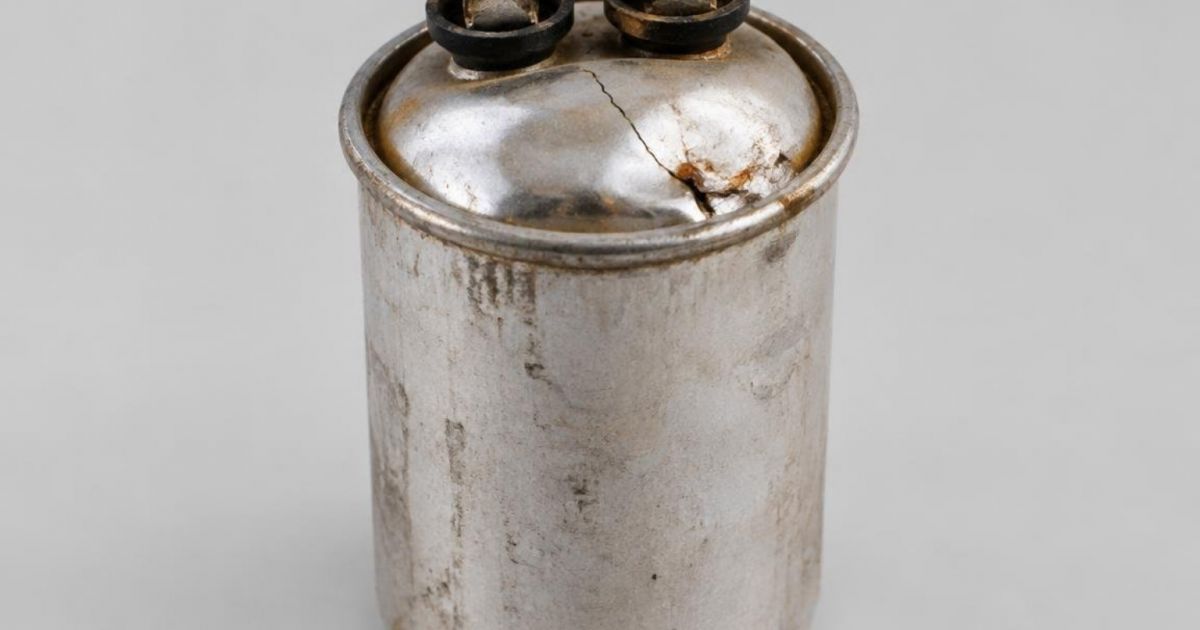
Thermostat miscalibration, failing temperature sensors, weak thermostat batteries, or a stuck electrical contactor in the outdoor condenser can also cause continuous cooling cycles.
Leaky Ductwork and Poor Attic Insulation
In communities such as St. Augustine, Green Cove Springs, and Fleming Island, ductwork often runs through unconditioned attics where summer temperatures can exceed 130°F. Loose joints, punctures, or deteriorated tape can allow conditioned air to escape into the attic.
Duct leaks can also pull hot, moisture-laden attic air into living spaces, adding to the cooling load. Our article about how humidity affects AC performance explains why excess indoor moisture can make a system feel as though it never catches up.
For duct concerns, airflow problems, and other persistent cooling issues, Southern Air Cooling & Heating provides HVAC services for homeowners who need a professional system evaluation.
Sizing and Aging Issues: Is Your Air Conditioner Undersized?
If your cooling equipment runs all day without an obvious mechanical fault, the unit may be incorrectly sized for your home’s cooling load.
An undersized unit lacks the British thermal unit (BTU) capacity needed to overcome peak summer heat gain. It may run continuously in the afternoon because its maximum output cannot balance heat entering through windows, roofs, and walls. An oversized system can have the opposite problem, short-cycling and cooling the air too quickly to remove enough Florida humidity.
Proper equipment selection requires a detailed load calculation rather than a guess based only on square footage. Window orientation, ceiling height, insulation, duct condition, and occupancy all influence the right equipment capacity.
As systems reach 10 to 12 years of age in humid coastal conditions, internal wear can reduce their effective capacity. Our guide on whether to repair or replace an AC unit can help homeowners weigh the next step when an older system runs constantly.
DIY Troubleshooting Steps Before Calling a Professional
Before calling in a technician to inspect your system, you can perform several basic troubleshooting checks around your home:
- Verify Thermostat Controls: Ensure the mode is set to Cool and the fan is switched to Auto. Lower the setpoint 3 degrees below room temperature to see if the system responds correctly.
- Examine the Air Filter: Pull the filter out and hold it up to a light source. If light cannot pass through easily, install a clean replacement immediately.
- Inspect Air Registers: Check all rooms to make sure supply vents and central return grilles are not obstructed by rugs, curtains, or furniture.
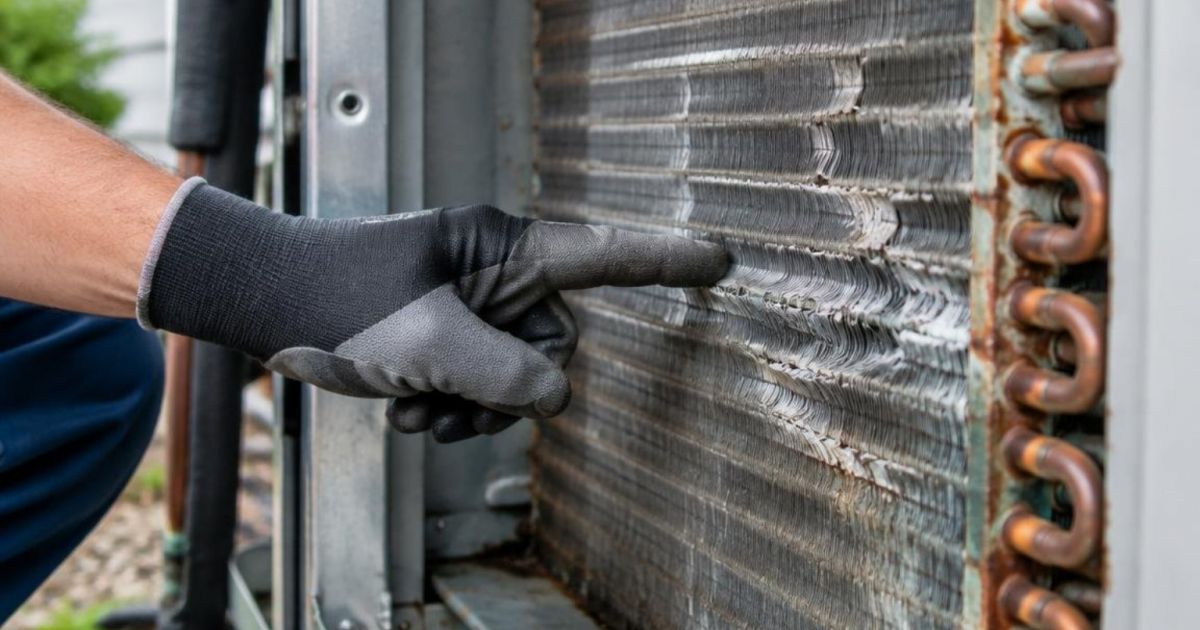
- Clear the Outdoor Condenser: Ensure there is at least two feet of clear clearance around the outdoor unit. Gently remove leaves, grass clippings, and garden debris from the aluminum fins.
- Look for Ice Accumulation: Inspect the copper refrigerant lines leading into your air handler and outdoor condenser. If you notice frost or ice, turn the system off at the thermostat and switch the fan to On to thaw the coil safely.
- Cycle the Electrical Breaker: If the outdoor unit fails to turn off when the thermostat is satisfied, turn off the HVAC circuit breakers for 60 seconds to reset electronic controls before restoring power.
Frequently Asked Questions About Continuous AC Running
Is it normal for an AC to run 20 hours a day during a heat wave?
Yes, during extreme heat waves where outdoor temperatures exceed 95°F with high humidity, a properly sized system may run 16 to 20 hours per day. As long as your indoor temperature matches your thermostat setting and supply air measures 14°F to 20°F cooler than the return air, long run cycles are normal and assist with continuous dehumidification.
How can I tell if my AC is running constantly because it is frozen?
Look for weak airflow coming from your registers, lukewarm air blowing from vents, water pooling around the indoor air handler base, or visible ice along the insulated copper suction line outside. If frozen, turn cooling off immediately to prevent compressor damage and allow the ice to thaw.
Does an air conditioner running all day drastically increase my electric bill?
If the unit is running continuously due to an underlying problem, such as low refrigerant, dirty coils, or duct leaks, electricity consumption will spike significantly because the compressor draws peak wattage without achieving temperature. However, high-efficiency variable-speed units running at low wattage all day often use less total electricity than single-stage units constantly starting and stopping.
Conclusion
Understanding why your AC is running constantly comes down to indoor comfort, cooling effectiveness, and equipment behavior. Long run cycles can be normal during peak Florida heat, but continuous operation with rising indoor temperatures, weak airflow, or ice buildup points to a mechanical issue that needs prompt attention.
For more than 43 years, the family-owned team at Southern Air Cooling & Heating has served Palatka, St. Augustine, Crescent City, and surrounding communities. If your cooling system is struggling to keep up with summer heat, contact our professional AC repair technicians to restore efficiency, protect your equipment, and keep your home comfortable.
Request Service
Please fill out the form below to request an estimate or schedule service.
"*" indicates required fields