Palatka Hurricane HVAC Prep Starts Before the Storm
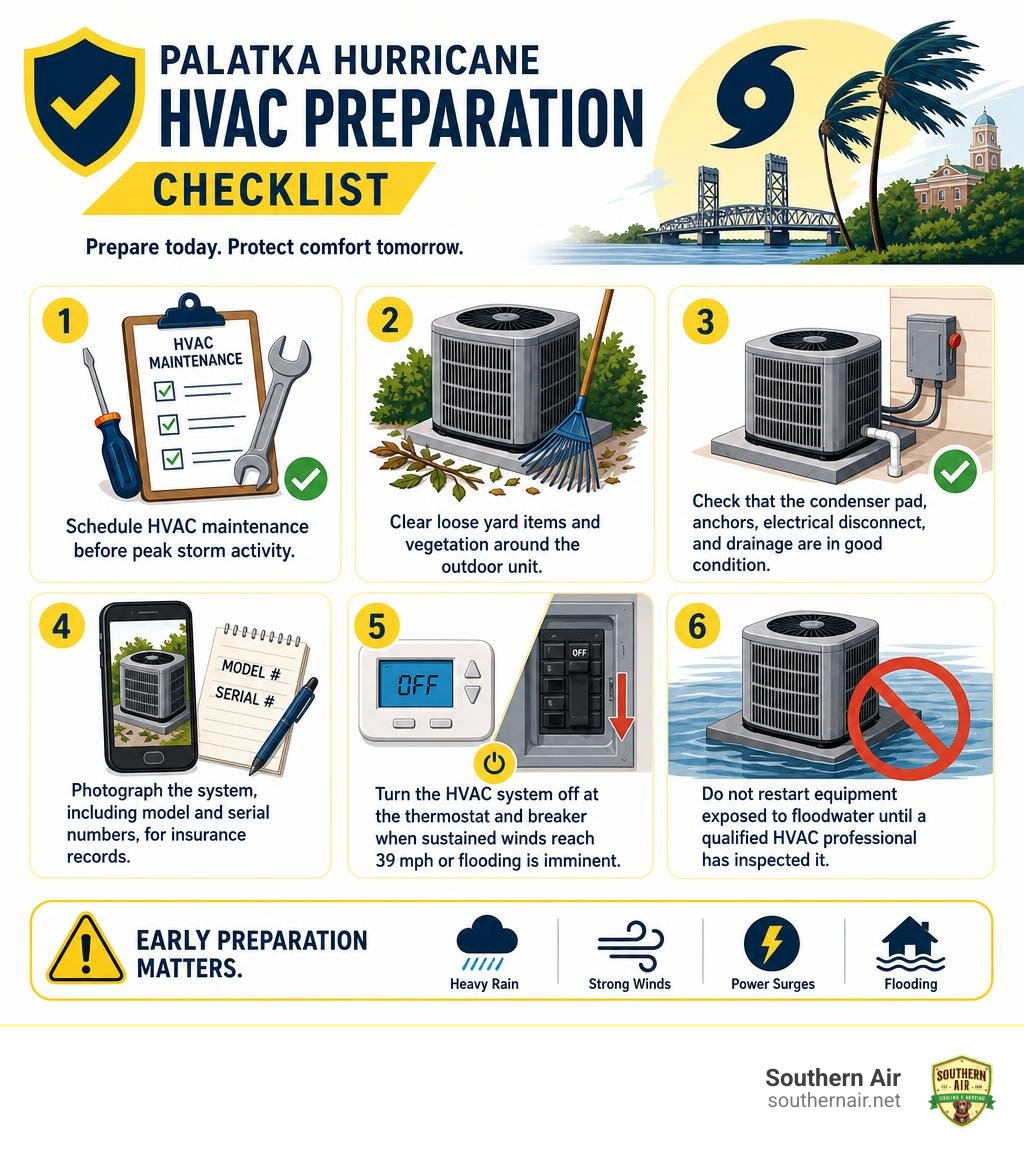
Palatka hurricane HVAC prep means inspecting, securing, and documenting your AC system before tropical weather is close. Palatka homes can face strong winds, heavy rain, power surges, and flooding concerns near the St. Johns River, all of which can damage an outdoor condenser, electrical components, ductwork, or indoor equipment.
For a quick start, homeowners should:
- Schedule HVAC maintenance before peak storm activity.
- Clear loose yard items and vegetation around the outdoor unit.
- Check that the condenser pad, anchors, electrical disconnect, and drainage are in good condition.
- Photograph the system, including model and serial numbers, for insurance records.
- Turn the HVAC system off at the thermostat and breaker when sustained winds reach 39 mph or flooding is imminent.
- Do not restart equipment exposed to floodwater until a qualified HVAC professional has inspected it.
Early preparation matters because post-storm HVAC repairs can be delayed for weeks, especially after a major Florida hurricane. A simple home safety inspection can also reveal related risks, such as drainage problems, unsecured exterior items, roof damage, or electrical concerns that could affect HVAC equipment.
Why Palatka Homeowners Must Prioritize Storm HVAC Readiness
Living in Putnam County along the St. Johns River makes Palatka a beautiful place to call home, but our unique geography also presents severe weather challenges during hurricane season. Tropical storms and hurricanes sweeping across the Florida peninsula bring high wind hazards, heavy precipitation, and storm surges that put heavy pressure on residential cooling systems. At Southern Air Cooling & Heating, we regularly talk with local homeowners who do not realize how vulnerable their heating and air conditioning units are until severe weather hits.
During a storm, an outdoor AC condenser unit sits directly in the path of extreme weather. Strong winds transform yard items into airborne projectiles, while continuous rains and river surges create flooding hazards around the concrete equipment pad. Furthermore, intense lightning strikes and utility grid instability cause high-voltage electrical surges that instantly fry sensitive control boards, capacitors, and compressor motors.
When an AC unit fails after a storm, the immediate consequence is a sudden spike in indoor humidity and heat. In North Florida, intense summer heat quickly creates unsafe indoor living conditions and accelerates indoor air quality issues. Investing time and effort into pre-storm readiness pays massive dividends. By preventing major storm damage, you protect your cooling investment, keep your home safe, and avoid the hidden costs of delaying HVAC service in Florida’s climate.
Common HVAC System Vulnerabilities During Storms
Understanding how extreme weather damages your heating and cooling equipment helps you take targeted steps to protect it. Over our decades of service in Palatka, we have found that storm damage generally falls into several primary categories:
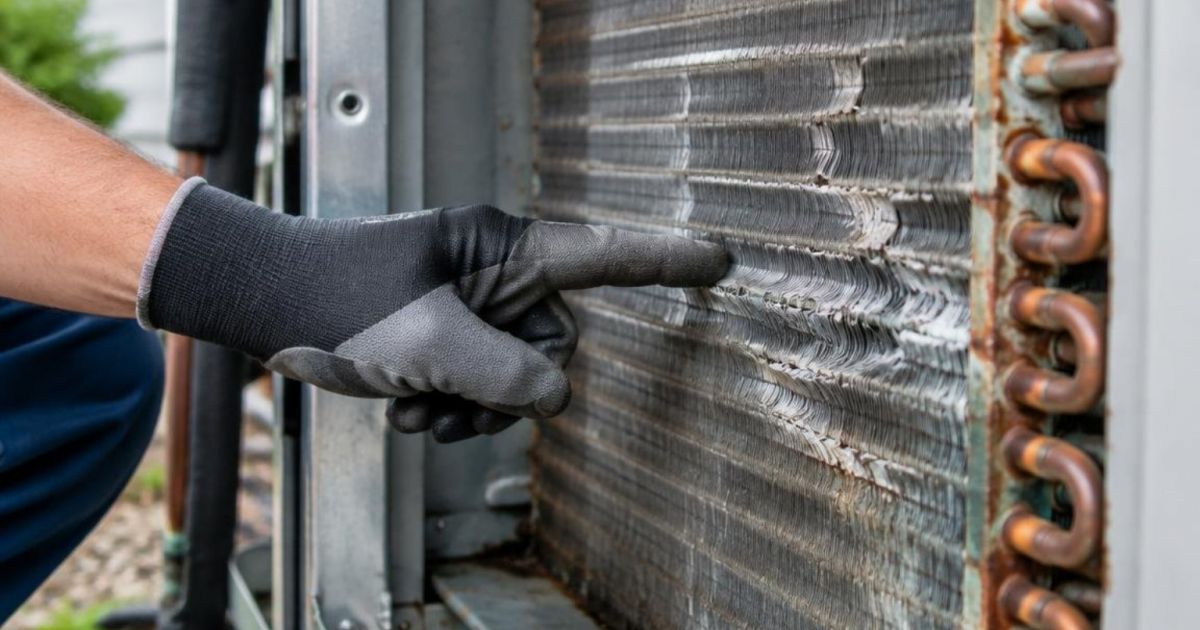
- Flying Debris Impact: High winds pick up fallen tree branches, patio furniture, garden tools, and loose fence boards, slamming them into the aluminum fins and copper coils of your outdoor condenser unit.
- Flooding: Rising waters from the St. Johns River or torrential rainfall can submerge low-lying outdoor units. Water entering electrical disconnect boxes, control boards, or compressor housings destroys electrical components and causes severe rust.
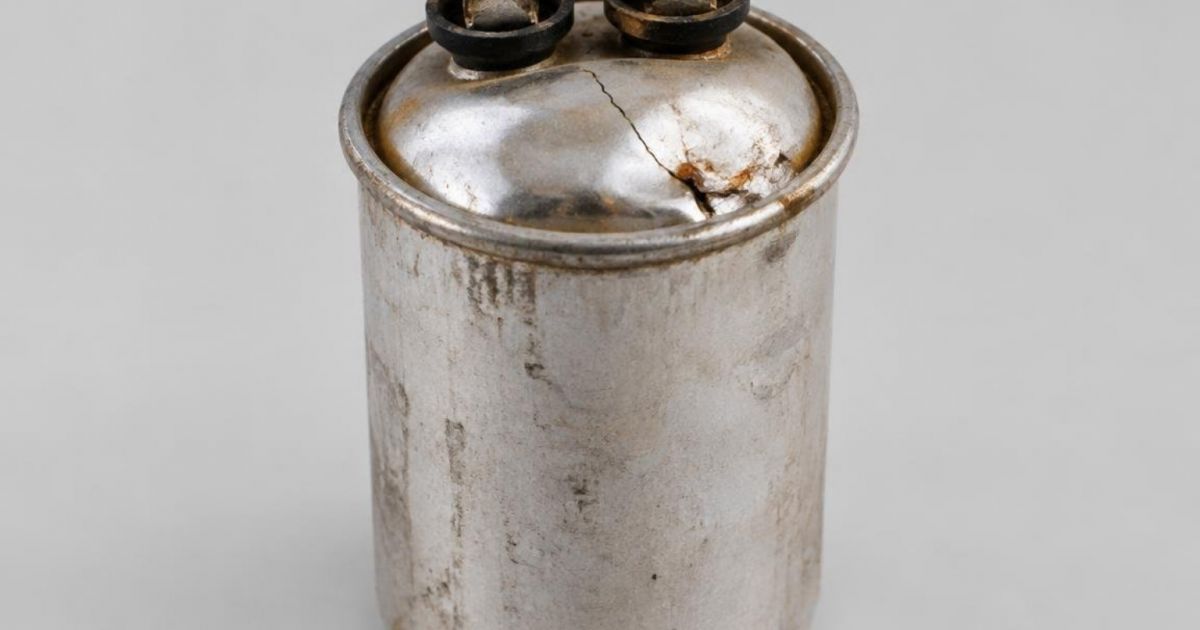
- Electrical Power Surges: Utility line damage and direct lightning strikes send high-voltage surges through your electrical panel, blowing out dual-run capacitors and burning internal wiring.
- Compressor Motor Failure: High-voltage grid fluctuations or severe overheating caused by debris blockages can permanently ruin the compressor motor, which is the heart of your AC system.
- Water Intrusion and ductwork services: If roof tiles strip away or severe rain penetrates attic spaces, water can saturate flex ductwork, causing it to collapse under heavy water weight and fostering micro-organism growth.
Essential Pre-Season Hurricane HVAC Preparation Steps
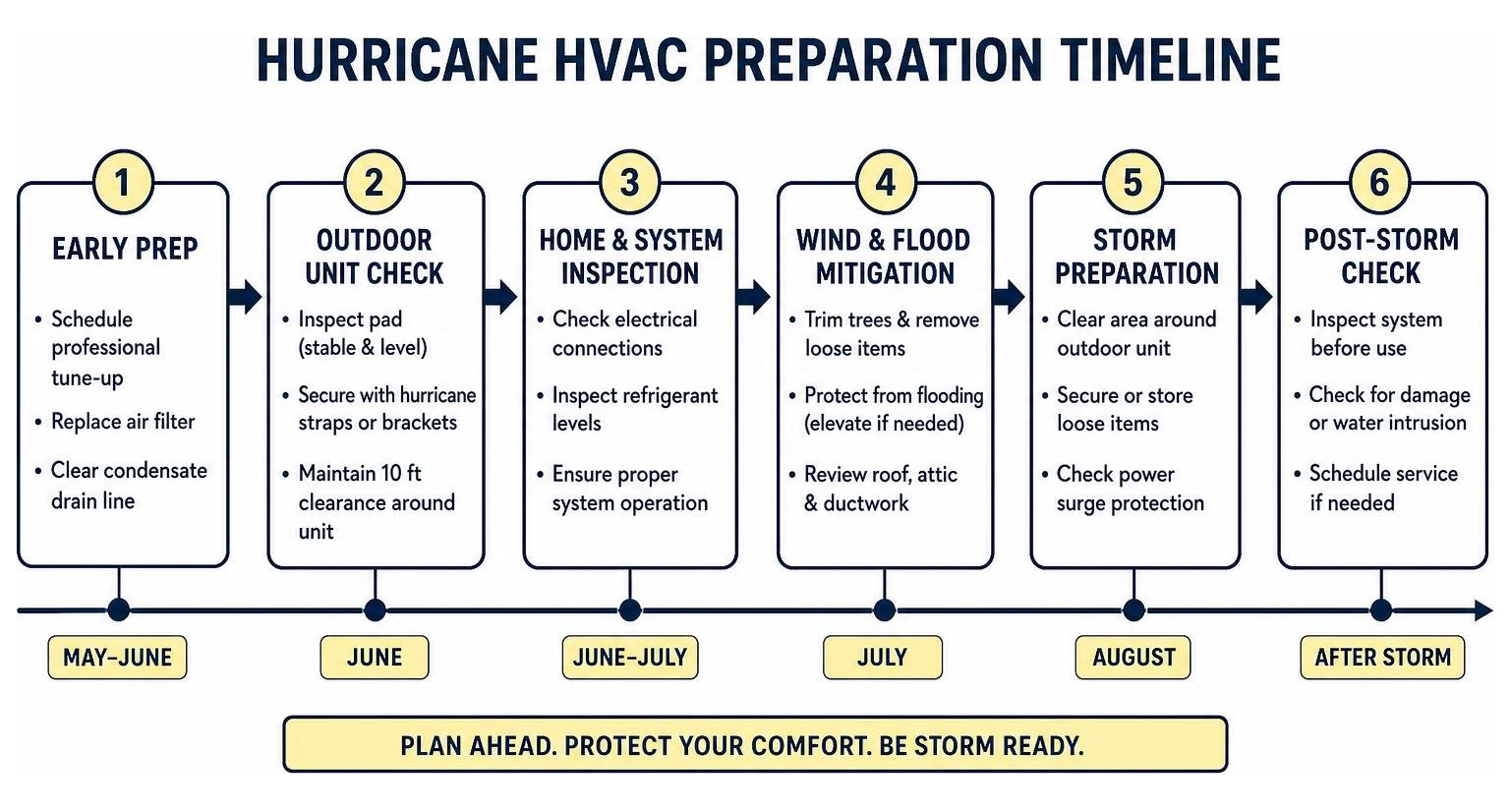
The best time for Palatka hurricane HVAC prep is during May and June, well before storm activity reaches its peak later in the summer. The Atlantic hurricane season runs through November 30, according to the National Hurricane Center. Establishing a pre-season routine gives you time to address concerns before an active tropical weather warning, and Ready.gov hurricane guidance can help households prepare a broader emergency plan.
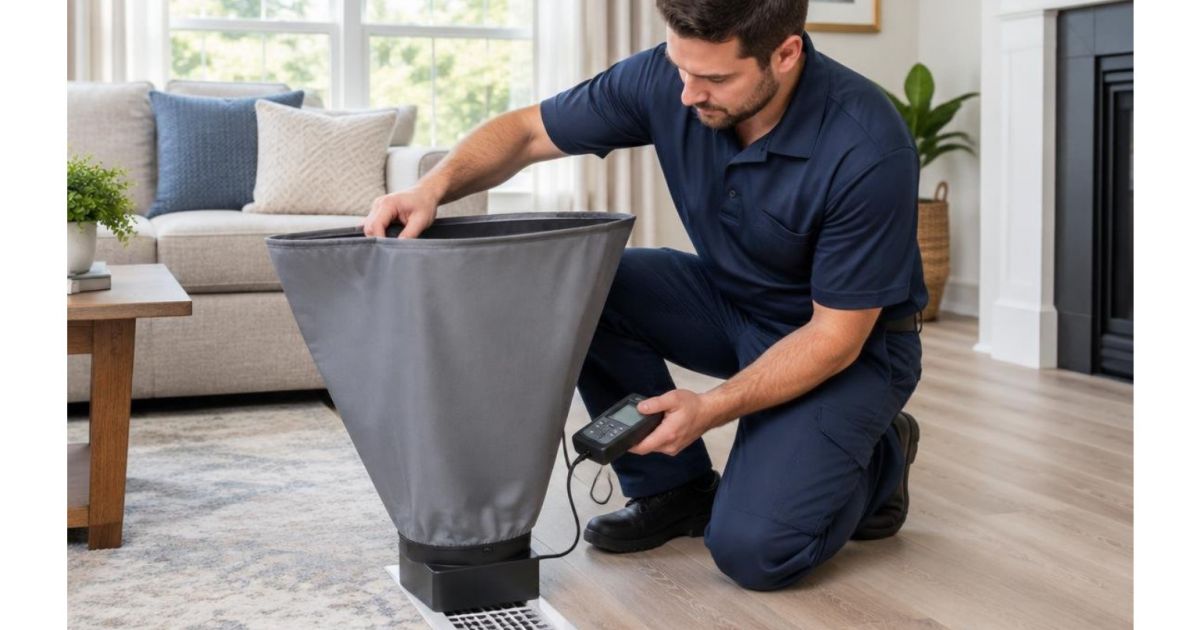
A thorough pre-season inspection should begin with professional AC maintenance. Our technicians can check electrical connections, capacitor ratings, refrigerant levels, and condensate drainage, while homeowners can safely replace the air filter to support airflow across the evaporator coil.
Outside your home, inspect the concrete pad supporting your condenser unit. The pad should be level, free of heavy cracks, and firmly settled into the surrounding dirt. Verify that hurricane straps or tie-down brackets are firmly fastened to anchor the unit against strong wind uplift. Finally, trim back trees, bushes, and decorative plants to maintain clear space of at least ten feet around the entire outdoor unit.
Pre-Season Safety Checklists and Home Wind Mitigation
Preparing your cooling equipment goes hand-in-hand with general home safety and wind mitigation reviews. A comprehensive inspection identifies vulnerabilities across your entire property before severe weather tests your home’s resilience.
When reviewing your property, combine your HVAC checks with broader structural considerations:
- Attic and Roof Deck Inspection: Safely inspect your attic access for signs of roof deck attachment strength, water leaks, or compromised duct insulation. Ensure soffit vents are securely attached so driven rain cannot blow into the attic and ruin ceiling ductwork.
- Opening Protection and Exterior Walls: Verify that hurricane shutters, impact windows, and exterior doors seal tightly. Securing openings prevents pressure changes inside your home that could blow out ceiling vents or compromise duct seals.
- Electrical Panel Verification: Inspect your main breaker panel to ensure circuit breakers serving your indoor air handler and outdoor condenser are correctly labeled and fully functional.
- Documenting Storm-Resistant Features: Keep detailed records of your home’s wind mitigation features, including hurricane straps, impact-rated housing, and roof tie-downs.
Scheduling professional HVAC system inspections during hurricane season ensures that trained technicians verify every mechanical connection, electrical component, and safety feature before weather conditions worsen.
Step-by-Step Action Plan When a Hurricane Approaches
When meteorologists issue a tropical storm or hurricane watch for Putnam County, Palatka hurricane HVAC prep shifts from pre-season maintenance to an active storm checklist. Having a structured timeline keeps your family organized and prevents last-minute panic as the storm moves closer.
72-Hour Storm Preparation Timeline
At the 72-hour mark before anticipated storm impact, focus on securing your home exterior and preparing backup emergency power plans:
- Clear Yard Debris: Walk your yard and pick up loose items like lawn chairs, potted plants, toys, grills, and garden tools. Store them safely inside a garage or shed so wind cannot throw them into your outdoor AC coil.
- Clean Rain Gutters: Ensure roof gutters and downspouts are clear of pine needles and leaves. Proper drainage directs torrential rainfall away from your foundation and concrete AC pad, lowering local flood risks.
- Inspect Condenser Anchoring: Confirm that outdoor mounting hardware, hurricane straps, and electrical disconnect covers are tight and secure.
24-Hour Timeline and the 39 MPH Shutdown Rule
As landfall approaches within 24 hours, take final interior temperature control steps:
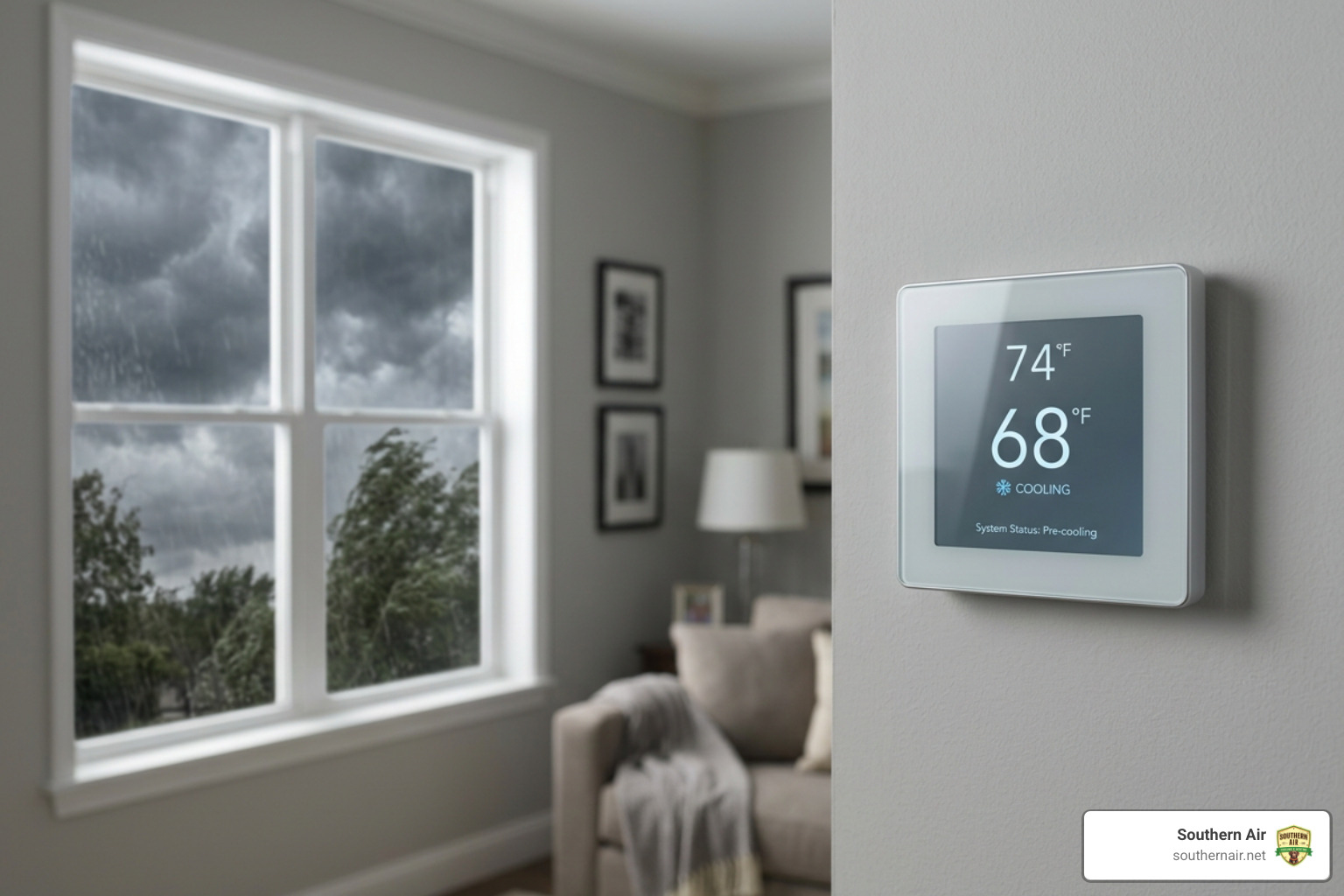
Pre-cool your residence by setting your thermostat down to 68-70°F while main grid power remains stable. Pre-cooling lowers the structural temperature of your walls, flooring, and furniture, allowing your home to retain cool air longer if power goes out during the storm.
As wind speeds rise, strictly follow the 39 mph shutdown rule. Sustained wind speeds of 39 mph mark the start of tropical-storm-force conditions.
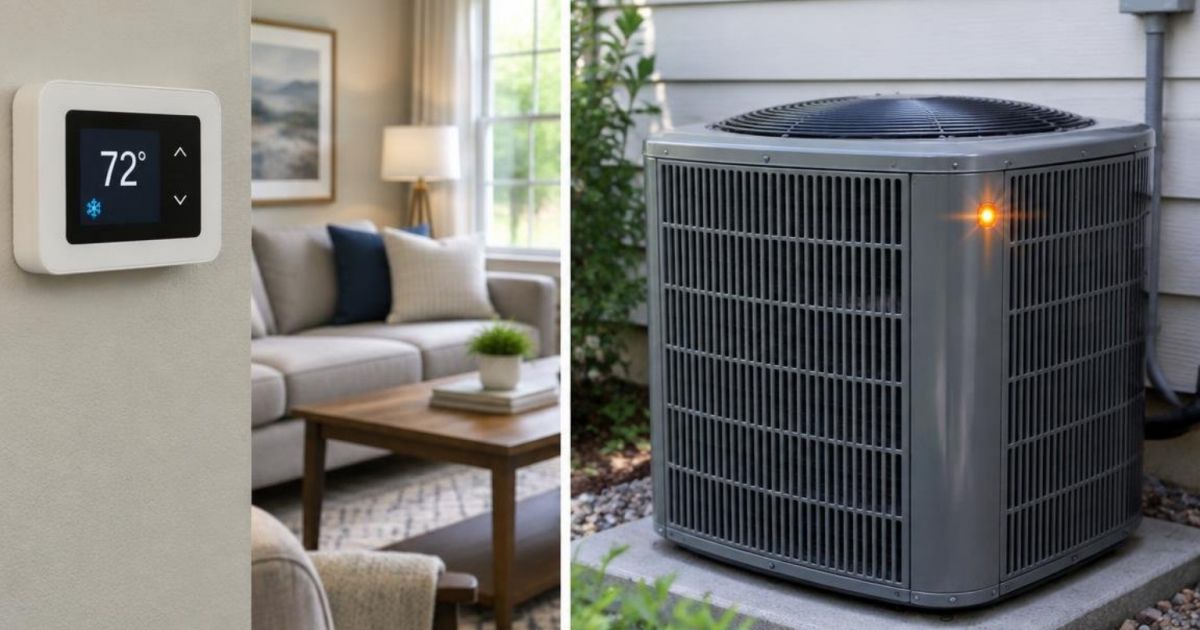
At this threshold, turn off your air conditioner at the thermostat, then walk to your electrical panel and flip off the dedicated circuit breakers for both the outdoor condenser and indoor air handler.
Shutting off the system at the breaker board completely disconnects internal electronics from the grid. This crucial step protects delicate control boards and expensive capacitors from intense electrical voltage spikes when high winds strike utility lines or when main power drops and restores rapidly.
Once turned off at the breaker, place a fitted, heavy-duty waterproof canvas cover or heavy tarp over the outdoor unit, anchoring it with straps to protect coils from flying dirt and leaves. Never turn on an AC unit while a protective cover is installed.
Post-Storm Recovery, Mold Prevention, and Safe HVAC Restart Protocols
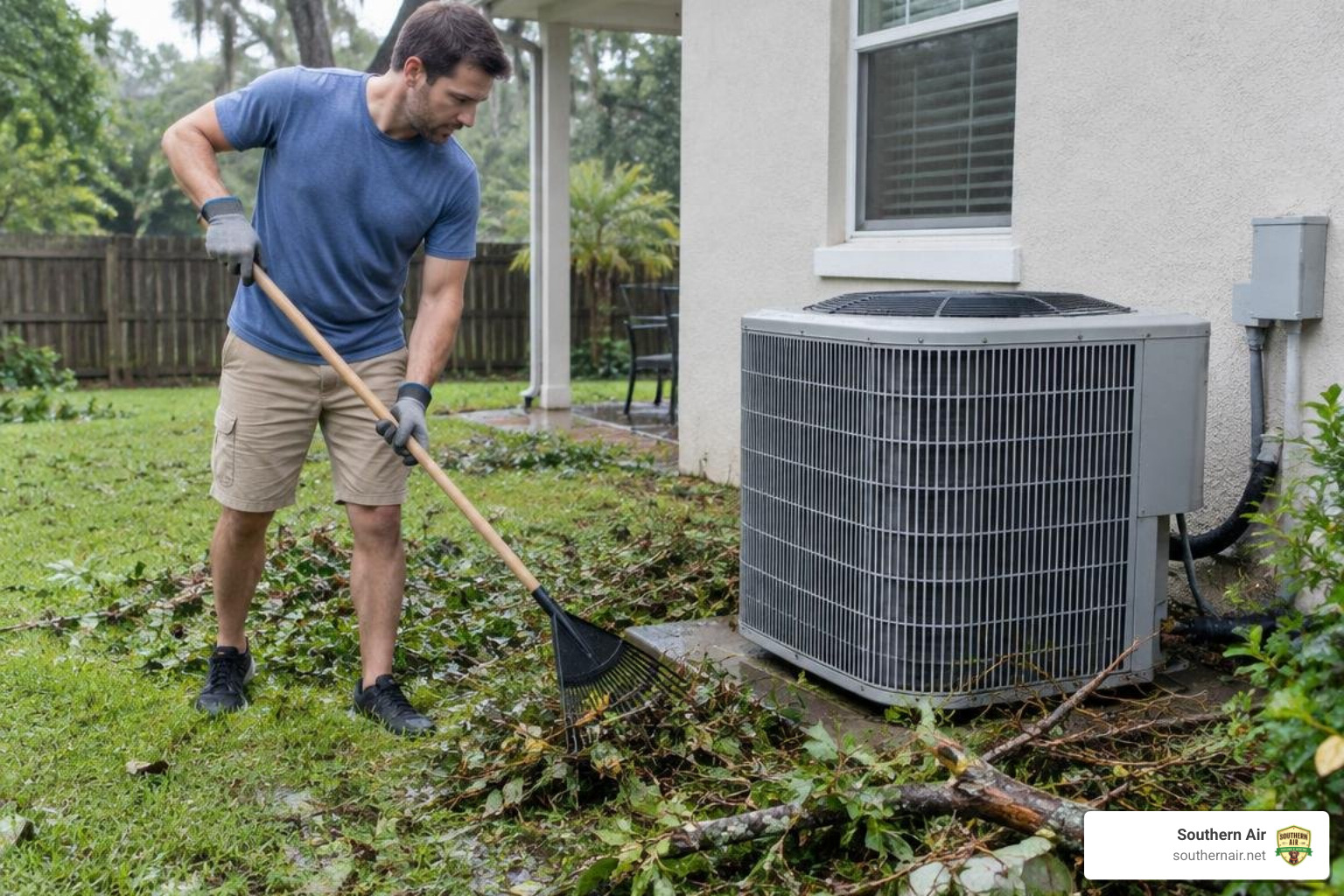
After the eye of the storm passes and local officials declare it safe to step outside, your post-storm recovery phase begins. Resist the urge to turn your air conditioner back on immediately, especially if your neighborhood experienced localized flooding, severe wind damage, or tree falls.
In the wake of a major storm, local utility networks and service contractors can experience heavy demand. Taking cautious, correct steps during recovery protects your equipment from severe secondary damage and helps avoid unnecessary repairs. If your unit has a mechanical or electrical failure after a storm, emergency AC maintenance can help you arrange professional assistance.
Safe System Restart Procedures
Before restoring power to your cooling system, complete a cautious exterior and interior safety inspection:
- Remove Outdoor Covers: Take off all protective tarps, canvas covers, or plywood shields from the outdoor condenser unit before restoring electrical power.
- Inspect for Physical Damage: Check the outdoor cabinet for dented panels, crushed coils, bent fan blades, or fallen tree limbs. Look closely at electrical conduit lines for cracks or pulled wires.
- Verify Floodwater Clearance: Look at the ground height relative to your concrete condenser pad. If floodwaters from intense rain or the St. Johns River reached or submerged any part of the outdoor unit, do not restore power. Electrical components submerged in water pose severe shock hazards and will short circuit if energized.
- Replace the Air Filter: Check your indoor air filter. Dust, insulation particles, or moisture swept up during the storm can clog filters rapidly. Put in a fresh filter before turning power back on.
- Restore Circuit Breakers First: Turn the circuit breakers back on at your main electrical panel, then adjust the thermostat to cooling mode.
- Monitor Initial Operation: Stand near the indoor and outdoor units during the first several minutes of operation. Listen for harsh grinding, clicking, or buzzing sounds, and smell for burning odors. If you notice unusual noises or burning smells, turn the system off immediately at the thermostat and circuit breaker.
Preventing Mold Growth in Humid Post-Storm Conditions
Palatka storm events often coincide with peak summer humidity spikes. High outdoor humidity paired with standing water creates ideal conditions for rapid micro-organism growth inside a warm home. If ductwork absorbs moisture or experiences standing water, spores can take root inside duct walls within 24 to 48 hours.
To prevent indoor microbial growth after a storm:
- Keep windows and doors tightly shut to prevent wet outdoor air from entering the home.
- Call Southern Air Cooling & Heating before running the system if storm damage, standing water, or moisture may have affected the equipment or ductwork.
- Never run an AC system if you suspect moisture or standing water inside the ductwork, as this can spread spores through your living spaces.
- Review proper steps for preventing mold in your HVAC system during Florida’s humid August to maintain healthy indoor air quality.
Upgrades, Insurance Discounts, and Claims Documentation
Proactive equipment upgrades safeguard your system during severe weather and improve overall operational reliability year-round. Comparing simple pre-storm prevention measures against post-storm recovery costs highlights why investing in protective upgrades makes financial sense for local homeowners.
| Feature / Scenario | Pre-Storm Prevention Upgrades | Unprepared Post-Storm Recovery |
|---|---|---|
| Physical Equipment Anchoring | Concrete pad tie-down straps keep condenser anchored during category winds | Unit shifted off pad, broken copper refrigerant lines, bent cabinet |
| Electrical Protection | Whole-home or point-of-use surge protective devices installed | Fused control boards, blown dual capacitors, burned compressor motor |
| Flood Resilience | Elevated equipment stands raise unit above potential river surge | Floodwater submersion destroying motor, internal wiring, electrical box |
| Operational Downtime | Minimal to none; quick restart after post-storm inspection | Extended system outage while parts and service are in high demand |
| Financial Impact | Manageable pre-season maintenance cost; possible insurance credits | Major post-storm repair bills or complete system replacement expense |
Long-Term Storm-Protection Options
During an inspection, ask a Southern Air Cooling & Heating technician whether these storm-protection options are appropriate for your home and HVAC equipment:
- Surge protection: Ask whether surge protection may help protect sensitive HVAC controls from power fluctuations.
- Condenser anchoring: Ask whether the outdoor unit’s pad, brackets, and anchoring should be evaluated for wind exposure.
- Equipment elevation: For a home with flooding concerns, ask whether the location and elevation of outdoor equipment should be reviewed.
- Protective enclosures: Ask whether a properly designed protective enclosure is suitable without restricting the airflow the condenser needs.
Documenting HVAC Storm Damage for Florida Insurance Claims
If a severe storm damages your cooling system, thorough documentation is essential for a smooth insurance claim process. Insurance adjusters require clear proof connecting damage directly to the storm event.
Follow these steps when documenting damage:
- Take Baseline Photos Before the Season: Photograph your indoor air handler, thermostat, outdoor condenser, electrical disconnect box, and mounting pad during your pre-season prep. Take clear close-up photos of model numbers and serial number plates.
- Document Post-Storm Damage Immediately: Before moving debris or cleaning up, take clear, well-lit photos and video clips showing how the equipment was damaged (e.g., fallen limbs lying on the unit, water marks showing flood height).
- Obtain Professional Damage Reports: Contact a licensed contractor to perform a formal damage evaluation. Insurance adjusters rely on professional diagnostic reports detailing whether components can be repaired or require complete replacement.
- Keep Repair Invoices: Save all itemized work orders, diagnostic bills, and component replacement records. Documented diagnostic paperwork helps support your claim filing; see our notes on emergency AC repair.
Frequently Asked Questions About Hurricane HVAC Prep
At what wind speed should I shut down my AC system during a storm?
Shut down the HVAC system when sustained winds reach 39 mph, the start of tropical-storm-force conditions. Turn the system off at the thermostat, then turn off the dedicated breakers; a technician should handle any electrical repairs or inspection beyond these safe homeowner steps.
What should I do if floodwaters reach my outdoor condenser unit?
Do not turn the system back on if floodwater reaches or surrounds the outdoor condenser. Keep the breakers off and schedule a professional inspection so a technician can assess electrical components, refrigerant equipment, and other sealed parts safely.
Can hurricane-resistant HVAC upgrades lower my homeowners insurance bill?
Some wind-mitigation measures may affect insurance eligibility, but each carrier sets its own requirements and documentation standards. Ask your insurer which property features qualify, and ask a technician whether your HVAC equipment needs a storm-readiness inspection.
Should I cover my outdoor AC unit before a hurricane?
Do not operate an AC unit while it is covered. If a temporary cover is used after the system is shut down, remove it before restarting and ask a technician to inspect the unit if there is visible damage, flooding, or debris inside.
Is it safe to run my AC on a portable generator after a storm?
Only run AC from a portable generator if a licensed electrician has set up the connection correctly and a Southern Air Cooling & Heating technician confirms the HVAC system is safe to operate. Do not attempt electrical, refrigerant, or sealed-system work yourself.
Conclusion
Taking time for proactive Palatka hurricane HVAC prep is the single best way to protect your family’s indoor comfort, home safety, and financial well-being before storm season arrives. By inspecting equipment early, clearing yard debris, following proper 39 mph system shutdown steps, and verifying safe post-storm restart procedures, you avoid long repair delays and protect your cooling investment for years to come.
Southern Air Cooling & Heating has been serving Palatka and Northeast Florida since 1980 and is rated 4.9 stars on Google. For a pre-season system inspection or seasonal tune-up, our technicians can help homeowners prepare their HVAC equipment for severe weather.
If your unit needs attention, do not wait for storm warnings to appear. Schedule AC repair or a pre-storm inspection today, or contact our team.
Written by Dustin Caison, Florida Certified Air Conditioning Contractor (CAC1816263), Southern Air Cooling & Heating.
Southern Air Cooling & Heating · 3849 Reid St, Palatka, FL 32177 · (386) 222-1342
Request Service
Please fill out the form below to request an estimate or schedule service.
"*" indicates required fields