What to Check When Your AC Is Not Cooling Enough
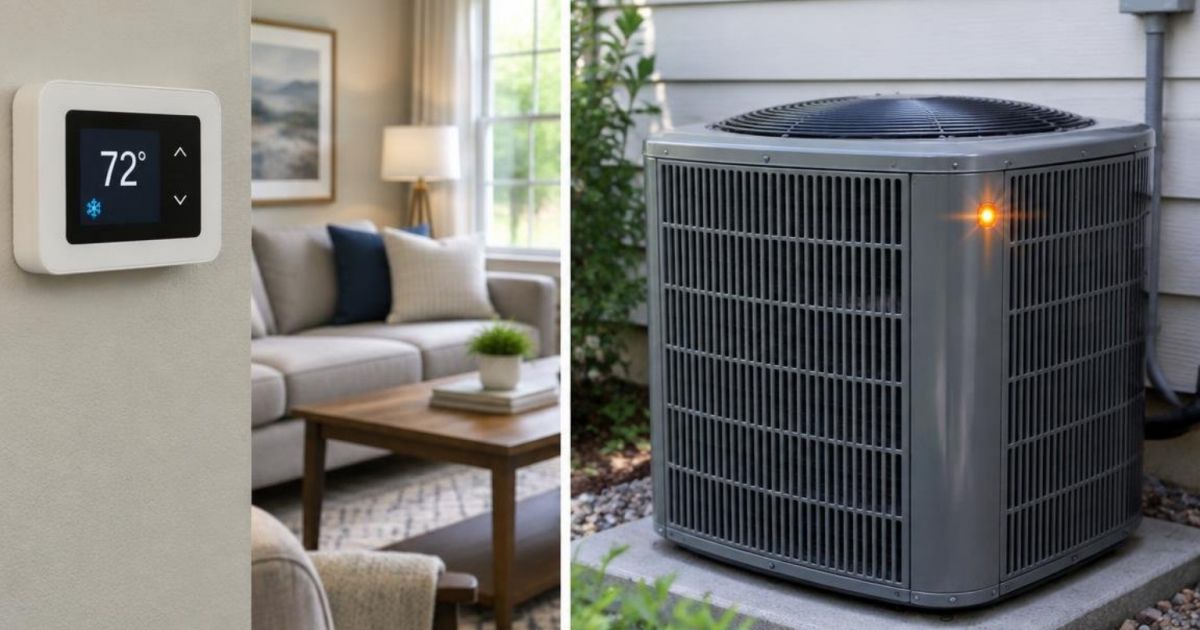
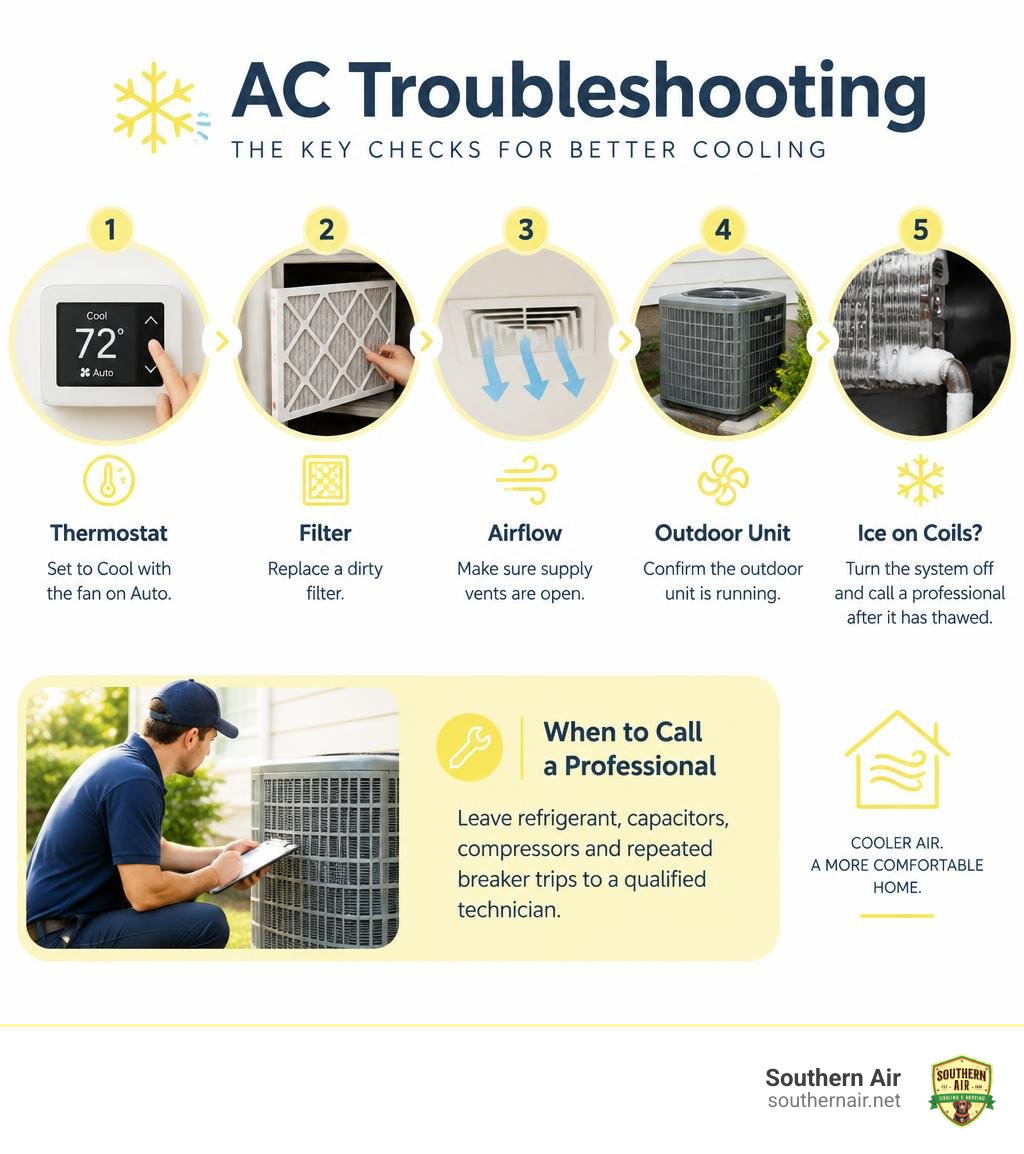
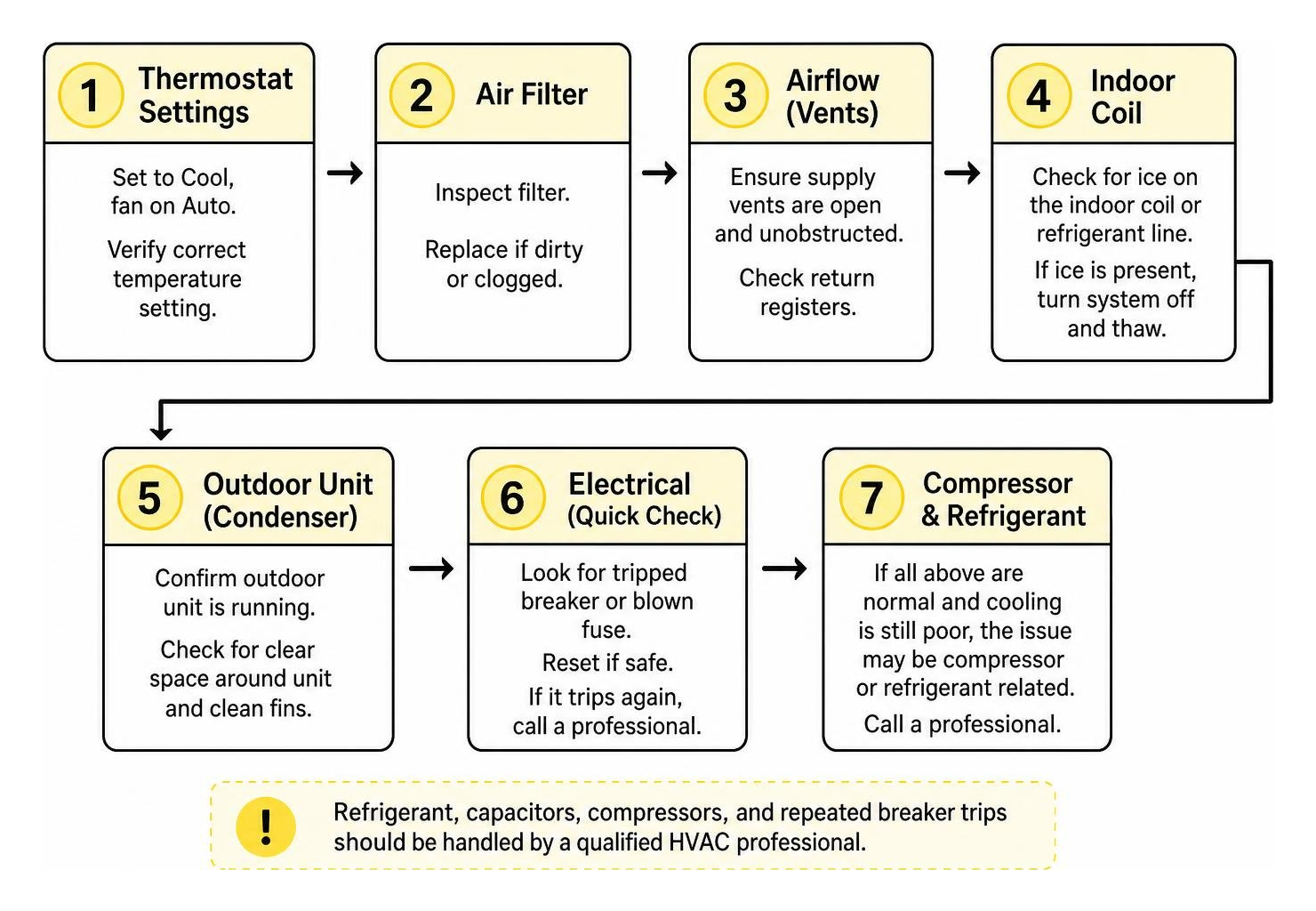
If your AC is not cooling enough, start with the simple checks: set the thermostat to Cool with the fan on Auto, replace a dirty filter, make sure supply vents are open, and confirm the outdoor unit is running. If you see ice on the indoor coil or refrigerant line, turn the cooling system off and call an HVAC professional after it has thawed.
Florida heat and humidity put a heavy load on central AC systems. On very hot days, an AC may run for long periods, but it should still deliver noticeably cooler air and help control indoor humidity. Poor airflow, dirty coils, thermostat mistakes, electrical faults, duct leaks, and refrigerant leaks can all leave a home warm and uncomfortable.
The good news is that many cooling complaints begin with a fixable airflow or settings issue. The key is to check low-risk basics first, then leave refrigerant, capacitors, compressors, and repeated breaker trips to a qualified technician.
For more than 43 years, the team at Southern Air Cooling & Heating has helped Florida homeowners determine whether an AC that is not cooling enough points to a maintenance need or professional repair.
Primary Reasons for an AC Not Cooling Enough in Florida Heat
Living across Northeast Florida communities such as Palatka, Saint Augustine, Fleming Island, and Green Cove Springs means cooling systems run nearly year-round. When summer heat indices climb into the triple digits, your system operates under continuous thermal load. If a single component underperforms, the entire cooling cycle can falter.
When an air conditioner runs without dropping the indoor temperature, identifying specific symptoms helps narrow down the cause before you call a professional.
| Symptom | Most Likely Cause | Best Action |
|---|---|---|
| Weak airflow from vents | Clogged air filter or blocked return register | Inspect and replace the filter |
| AC blowing room-temperature air | Thermostat fan set to “ON” or an outdoor-unit problem | Switch the fan to “AUTO” and check whether the outdoor unit is operating |
| Ice on refrigerant lines or indoor unit | Severe airflow restriction or low refrigerant | Turn AC off, run the fan to thaw, and schedule service |
| Outdoor unit hums but the fan does not spin | Defective run capacitor or seized fan motor | Turn off the breaker and call a professional |
| Rooms feel sticky and humid, with uneven cooling | Duct leakage in unconditioned attic space | Arrange a ductwork and insulation inspection |
| Unit cycles on and off rapidly | Dirty outdoor condenser coils or equipment-sizing issue | Clear debris around the condenser and schedule an evaluation if it continues |
Dirty Air Filters and Airflow Restrictions: Why Is Your AC Not Cooling Enough?
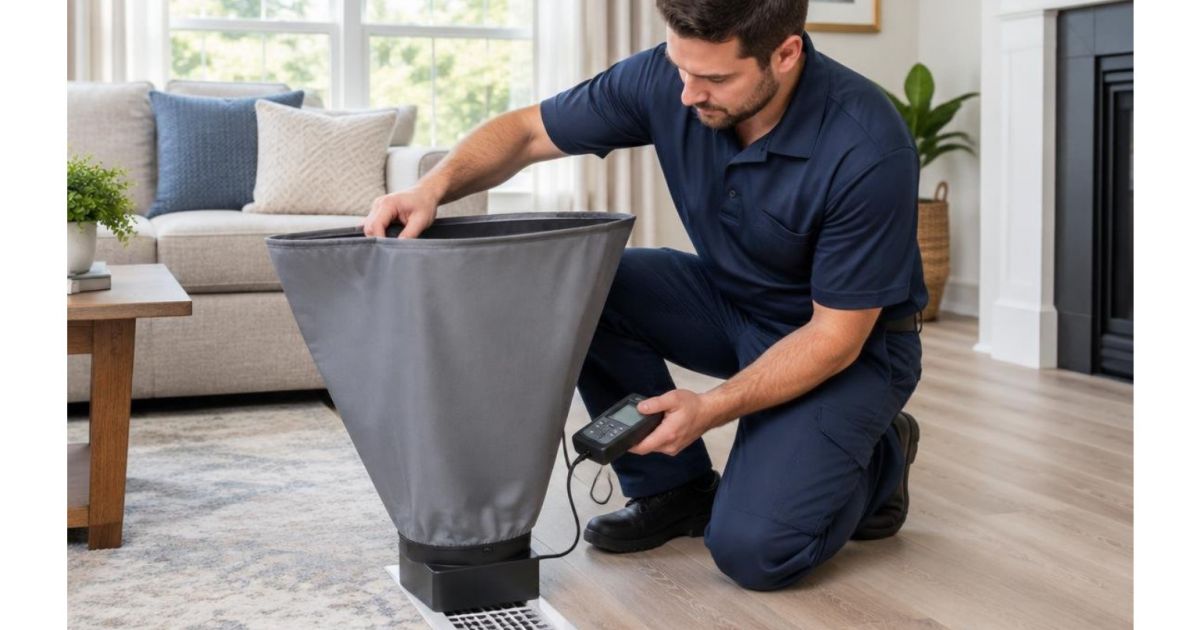
A clogged filter is one of the most common causes of poor cooling performance. Your central AC relies on a steady volume of return air passing across the indoor evaporator coil. When dust, pet hair, and airborne debris blanket the filter media, static pressure inside the system rises and restricts the blower.
When air cannot move freely, the evaporator coil cannot absorb heat from your living spaces. The system may run longer, your energy use can increase, and the air coming out of your registers may feel weak and lukewarm. In Florida’s humid climate, standard 1-inch pleated filters should be checked every 30 days and replaced every 1 to 3 months, depending on household conditions. Homes with multiple pets or frequent dust exposure may need more frequent changes.
If weak airflow continues after a clean filter and open registers, AC maintenance can help identify blower, coil, drain, and airflow issues before they develop into a larger cooling failure.
Thermostat Settings and Sensor Miscalibrations Leaving the AC Not Cooling Enough
Before assuming your compressor has failed, take a minute to review your thermostat controls. It is surprisingly easy for settings to get knocked out of alignment during everyday household routines.
- Fan Setting (ON vs. AUTO): When set to “ON,” the blower fan runs continuously, even when the outdoor compressor cycles off. This can circulate uncooled, humid air back into your rooms. Keep the fan set to AUTO.
- Mode and Setpoint: Ensure the mode switch is firmly set to COOL and the target temperature is at least 2 to 3 degrees below the current room temperature.
- Battery Power: Weak thermostat batteries can cause intermittent signal loss between the thermostat and the air handler control board, leading to erratic cooling cycles.
- Smart Thermostat Schedules: Verify that automated energy-saving schedules, geofencing features, or utility demand-response settings are not overriding your preferred temperature.
When the thermostat and filter are both in order but your vents still deliver lukewarm air, this explanation of why your AC is not blowing cold air can help you recognize the symptoms that warrant a service call.
Frozen Evaporator Coils
It might sound strange that an AC can freeze up during a scorching Florida summer, but evaporator coil icing is a frequent service call in our area.
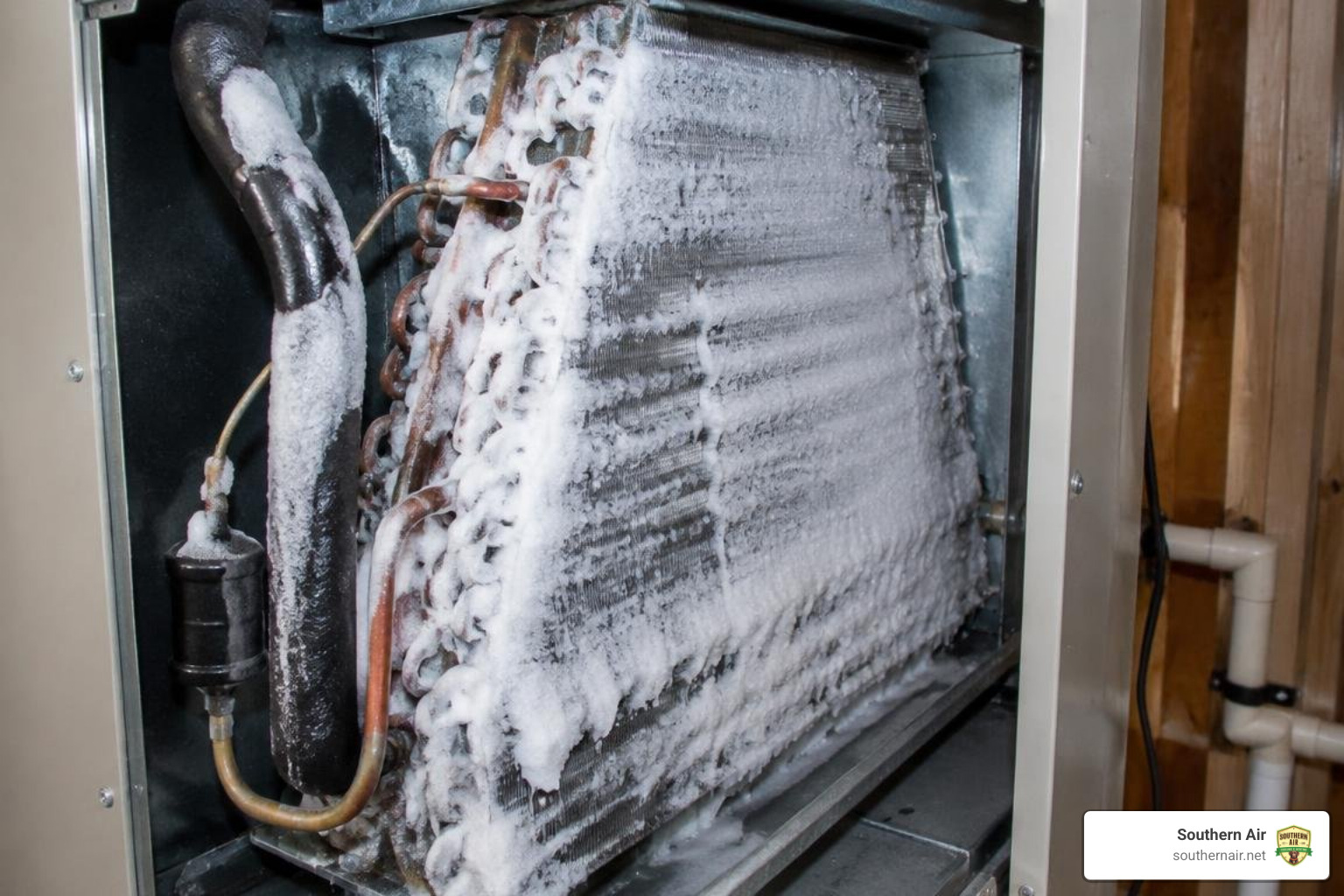
When an evaporator coil is starved of warm airflow, or when the system is low on refrigerant, the coil temperature can drop below 32°F. Moisture condensing from humid indoor air freezes on the metal fins. Layer by layer, frost can become a solid block of ice that insulates the coil and blocks airflow.
If you spot frost or ice along the copper refrigerant lines or covering the indoor air-handler cabinet:
- Shut the system off at the thermostat to help protect the compressor.
- Turn the fan switch to “ON” to circulate indoor air across the coil and speed melting.
- Monitor the condensate drain pan so melting ice does not overflow and cause water damage.
- Never chip or scrape ice away with sharp tools, which can puncture fragile aluminum fins or copper tubing.
Allow 2 to 12 hours for the ice to melt fully before attempting to test the system with a clean filter.
Clogged Outdoor Condenser Coils and Fan Issues
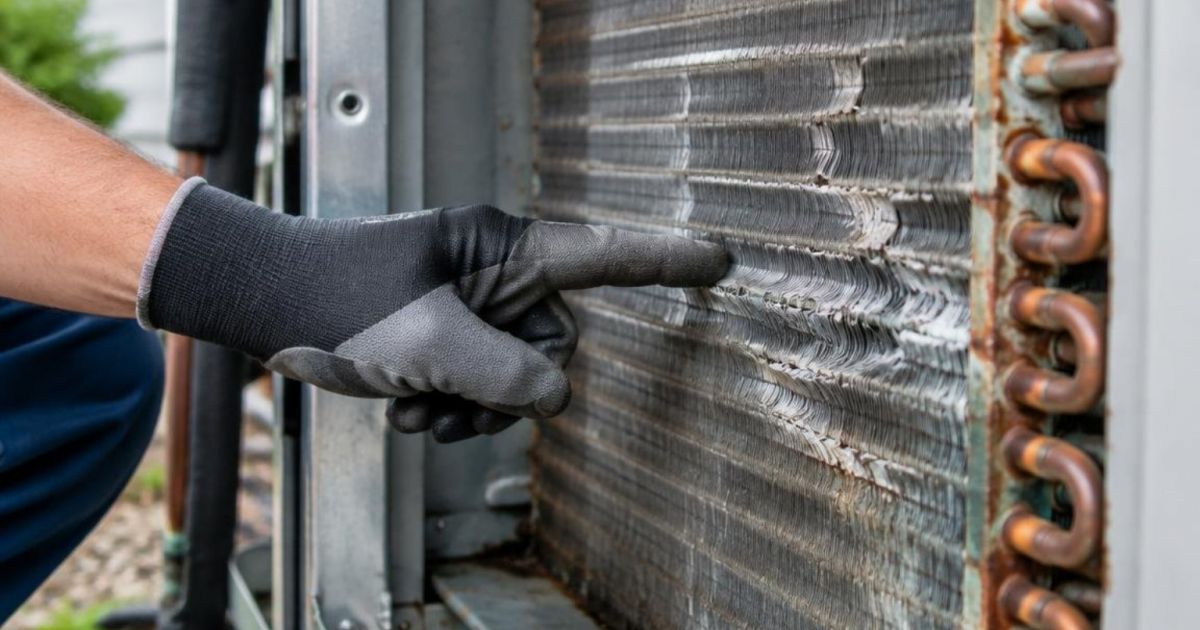
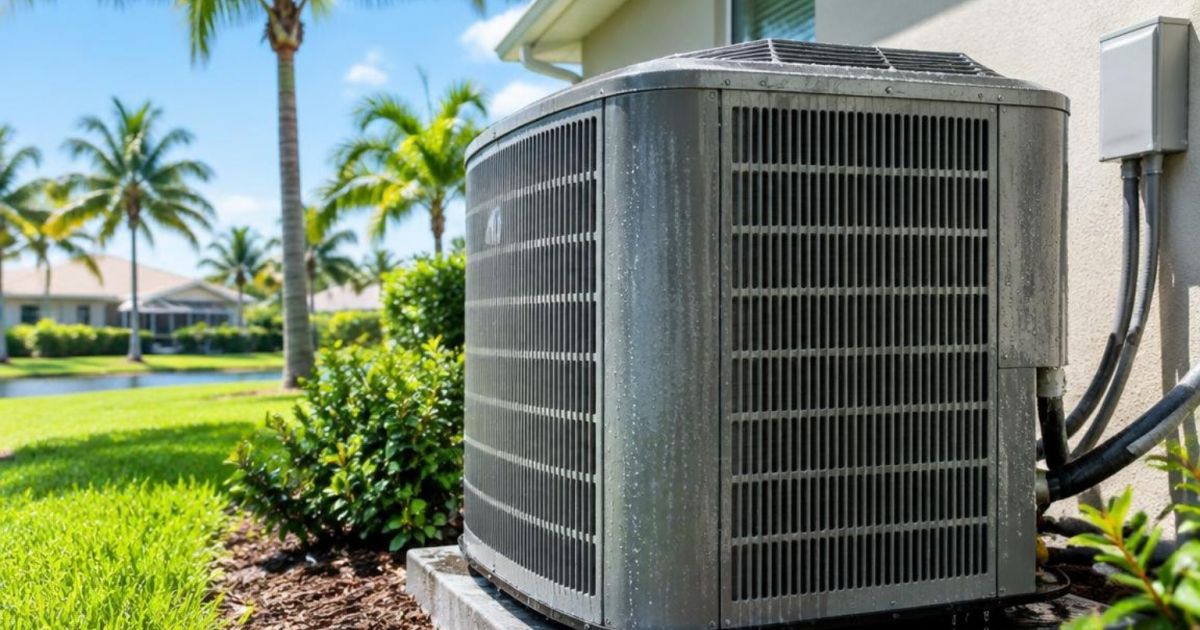
The outdoor condensing unit acts as the heat exhaust for your entire home. The heat extracted from your living room and bedrooms is pumped outside through refrigerant lines, where the condenser coil and top-mounted fan dissipate it into outdoor air.
In places like Crescent City, Welaka, San Mateo, and Georgetown, outdoor units are often surrounded by thick landscaping, pine needles, grass clippings, and pollen. When dirt coats the outdoor coil fins, the unit cannot release heat efficiently. This raises system pressure, makes the compressor work harder, and reduces cooling output.
Ensure there is at least a two-foot clear perimeter around your outdoor unit, free from encroaching shrubs, storage items, and weeds. Gently rinsing the exterior aluminum fins with a standard garden hose can wash away loose debris, but avoid high-pressure washers, which can bend the delicate metal fins.
Deeper Mechanical and Refrigerant Issues
If your air filter is fresh, your thermostat is properly configured, and your coils are clear of dirt and ice, your system may be experiencing deeper mechanical or electrical wear.
Refrigerant Leaks and Pressure Drops
An AC does not consume or “burn through” refrigerant like a car burns gasoline. Refrigerant operates inside a closed, sealed loop. If your system is low on charge, there is likely a leak in the copper tubing, service valves, or coil connections.
Signs of a refrigerant leak include:
- A hissing or bubbling noise near the indoor air handler or outdoor unit.
- A small temperature drop across supply and return vents.
- Ice forming along the insulated suction line.
- The system running constantly without reaching the setpoint.
Adding refrigerant without finding and repairing the leak is a temporary fix. Refrigerant service must follow EPA Section 608 technician requirements, so leak detection and repairs should be handled by a qualified professional.
Leaky or Damaged Attic Ductwork
In Florida homes, ductwork is frequently routed through unconditioned attics, where summer temperatures can climb past 130°F. If your duct system has disconnected joints, torn flexible duct jackets, or degraded mastic seals, two problems can occur at once:
- Conditioned air escapes: Cold air you paid to cool is blown directly into attic space.
- Superheated attic air infiltrates: The return side can pull hot, dusty, humid attic air into your system, adding to the cooling load.
Duct leaks can make specific rooms hot and drive up energy use. If your AC runs for long stretches without keeping up, this guide to common causes of constant AC runtime in Florida homes explains how airflow, humidity, and equipment problems can overlap.
Failing Compressor or Faulty Run Capacitors
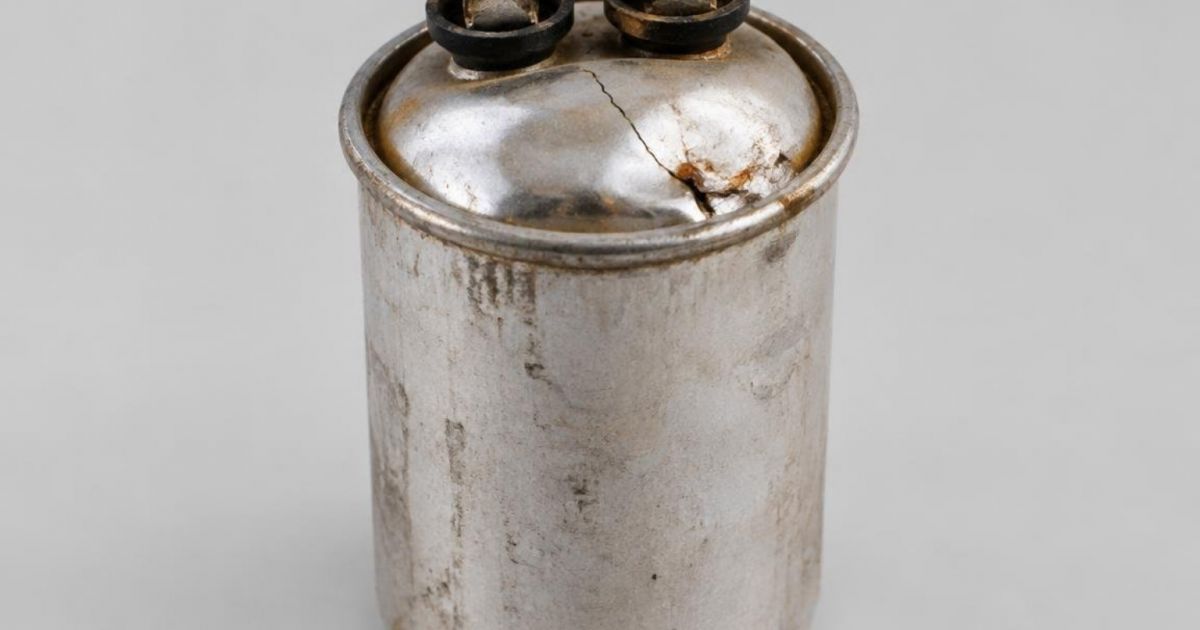
The outdoor condensing unit houses two critical electrical and mechanical components: the compressor, which drives the refrigeration cycle, and the run capacitor, which helps the fan and compressor motors start and operate properly.
During hot afternoons, run capacitors endure intense heat and electrical stress. When a capacitor begins to swell, leak electrolyte, or lose capacitance, the outdoor fan or compressor may struggle to start. You might hear clicking or a low humming sound from the outdoor unit every few minutes, followed by silence as the compressor’s internal thermal overload protector trips. Continuing to run an AC with a failing capacitor can damage the compressor motor.
If you hear those symptoms or the outdoor unit will not start, timely AC repair lets the team at Southern Air Cooling & Heating test the electrical and refrigeration components safely.
Florida-Specific Challenges: Humidity, Sizing, and System Limits
Operating an AC in Florida’s coastal and riverfront climate presents unique thermodynamic challenges. Standard AC systems perform two distinct tasks: sensible cooling, which lowers the temperature shown on a thermometer, and latent cooling, which removes moisture from the air.
In regions like Elkton, Keystone Heights, Pomona Park, and East Palatka, high relative humidity increases the latent load significantly. Your AC must dedicate substantial cooling energy to condense water vapor before it can effectively lower the sensible temperature.
Under normal operating conditions, a properly functioning central AC commonly produces a 16°F to 20°F temperature difference between air entering the return grille and cooler air leaving the supply vents. Residential AC systems are generally designed to maintain indoor temperatures roughly 20°F cooler than the outdoor ambient air. When afternoon temperatures hit 98°F with a heat index of 110°F, expecting your home to stay at 68°F can push equipment beyond its intended design conditions.
An incorrectly sized system compounds these issues:
- Oversized Units: Cool the air too quickly without running long enough to remove moisture, leaving the house clammy.
- Undersized Units: Lack the total capacity to satisfy the cooling load during peak afternoon hours, running continuously while indoor temperatures creep upward.
Keeping your system maintained before the hottest months can reduce avoidable strain. Our article on maintaining your AC during Florida’s hottest months outlines practical steps that support reliable cooling and humidity control.
When to Call a Professional for Air Conditioner Repairs
While homeowners can easily swap an air filter or rinse clear outdoor debris, several warning signs indicate that you should power down the equipment and call a licensed professional:
- Repeatedly Tripping Circuit Breakers: Never continue resetting an AC breaker that trips more than once. This indicates an active electrical short, a locked compressor rotor, or a failing motor drawing dangerous amperage.
- Persistent Ice Formation: If the evaporator coil refreezes immediately after a thorough thaw and filter replacement, there is an underlying refrigerant leak or mechanical restriction.
- Burning Odors or Electrical Buzzing: Burning plastic smells or loud electrical buzzing from the air handler or condenser signal failing contactors, loose high-voltage wiring, or motor winding failure.
- No Cold Air Despite Full Operation: If both the indoor blower and outdoor fan run continuously yet the air from your vents remains warm, the compressor or refrigerant circuit requires immediate diagnostic testing.
Attempting to test high-voltage capacitors or recharge refrigerant lines without proper safety gear, EPA certification, and professional instruments risks severe electrical shock, chemical burns, and irreversible equipment damage.
Frequently Asked Questions About AC Troubleshooting
Why is my AC running constantly but blowing warm air?
When your indoor blower fan runs but delivers room-temperature air, the outdoor unit is often not running or the compressor has failed to engage. Check whether the outdoor breaker has tripped or if the disconnect switch near the unit is turned on. A failed dual-run capacitor is another frequent culprit, preventing the outdoor compressor from starting while the indoor air handler continues circulating uncooled room air.
How long should it take for a frozen AC coil to thaw?
A lightly frosted coil can melt within 2 to 3 hours if you switch the AC mode to “OFF” and set the fan to “ON.” If the coil is encased in a thick, solid block of ice, complete thawing can take 12 to 24 hours. Always keep an eye on your condensate drain line during this period to ensure rapid runoff does not back up and overflow your emergency drain pan.
Why won’t my air conditioner cool below 75 degrees on hot days?
During peak Florida summer afternoons when outdoor temperatures reach near 100°F, your system is operating at its maximum thermodynamic limit. Residential air conditioners are designed to provide approximately a 20°F drop compared to outdoor ambient air. High indoor humidity, attic heat gain, and drafty windows add thermal load that can prevent older or minimally insulated systems from reaching sub-75°F temperatures until the sun goes down.
Conclusion
When your AC struggles to keep your home cool, a systematic approach can save time and prevent unnecessary repair bills. Start with the basics: verify your thermostat is set to Cool and Auto, inspect your air filter for clogs, ensure supply vents are unobstructed, and make sure your outdoor condenser is free of debris.
If those quick checks do not restore crisp, cold airflow, the underlying issue may involve refrigerant pressures, electrical capacitors, or ductwork integrity. With more than 43 years of family-owned experience serving homeowners throughout Palatka and surrounding communities, the team at Southern Air Cooling & Heating is here to keep your home comfortable all year long. When you need help restoring reliable cooling, contact our professional AC repair technicians.
Request Service
Please fill out the form below to request an estimate or schedule service.
"*" indicates required fields