When Your AC Blows Hot Air: What’s Wrong and What to Do
An air conditioner blowing hot air is almost always caused by one of these issues:
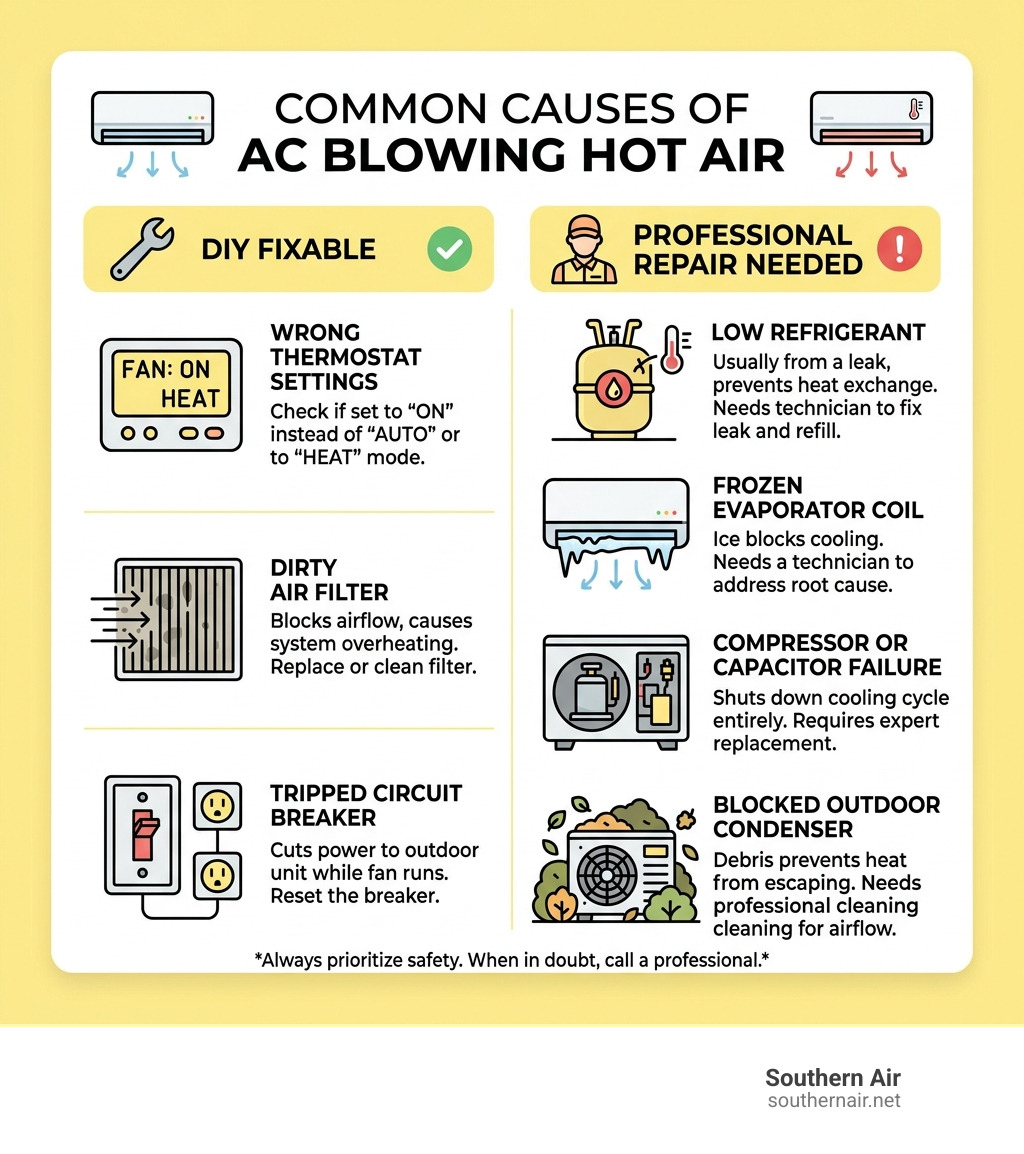
- Wrong thermostat settings – fan set to “ON” instead of “AUTO,” or mode set to heat
- Dirty air filter – blocks airflow and causes the system to overheat
- Low refrigerant – usually from a leak, prevents proper heat exchange
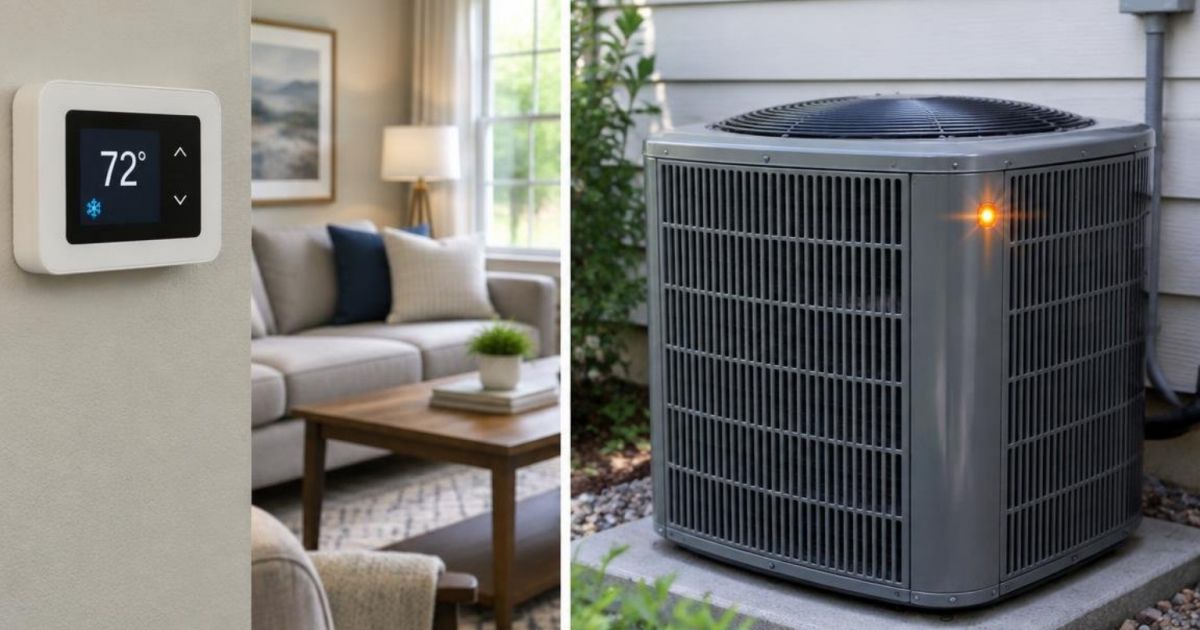
- Tripped circuit breaker – cuts power to the outdoor unit while the indoor fan keeps running
- Frozen evaporator coil – ice buildup stops the cooling process
- Compressor or capacitor failure – shuts down the cooling cycle entirely
- Blocked outdoor condenser unit – debris prevents heat from escaping
Most of these problems have a clear fix. Some are DIY-friendly. Others need a licensed technician.
Living in Florida, a broken AC isn’t just uncomfortable – it can become a health issue fast. When temperatures climb above 90°F and your vents start pushing out warm air, every minute counts. The good news is that most causes are diagnosable without any special tools, and knowing what to look for can save you time, money, and a lot of sweating.
I’m Dustin Caison, President and CEO of Southern Air Cooling & Heating, a State Certified Air Conditioning Contractor with over two decades of hands-on experience diagnosing and fixing every type of air conditioner blowing hot air scenario you can imagine across North Florida. In this guide, I’ll walk you through exactly what’s going wrong with your system and how to get it fixed.
How Your Cooling System Works (And Why It Fails)
To understand why your air conditioner blowing hot air is happening, it helps to realize that your AC doesn’t actually “create” cold. Instead, it acts like a giant heat sponge. It pulls heat out of your indoor air and dumps it outside.
This magic happens through the refrigeration cycle. Your indoor unit contains an evaporator coil filled with cold refrigerant. As the blower motor pushes warm house air over these coils, the refrigerant absorbs the heat. This now-warm refrigerant travels to the outdoor condenser unit.

The compressor, often called the “heart” of the system, squeezes the refrigerant, raising its temperature so it’s even hotter than the outside Florida air. This allows the heat to transfer from the coils to the outdoors, aided by a large fan. If any part of this cycle is interrupted, whether the “sponge” is dirty, the “heart” stops beating, or the “blood” (refrigerant) leaks out, the heat stays inside, and you end up with an air conditioner blowing hot air. For a deeper dive into these mechanics, you can explore why is my AC blowing hot air? Causes explained | Lennox.
Common Reasons for an Air Conditioner Blowing Hot Air
When we get a call in Palatka or Fleming Island about a system failure, we usually start with the basics. You’d be surprised how often a major headache is caused by a minor oversight. Before you panic about the cost of a new unit, check these 7 reasons why your AC might be blowing warm air.
Thermostat Settings and Your air conditioner blowing hot air
The thermostat is the brain of your HVAC system. If the brain is confused, the body won’t work.
- The “ON” vs. “AUTO” Trap: This is the most common “non-broken” cause. If your fan is set to “ON,” the blower runs 24/7, even when the outdoor unit isn’t cooling. When the cooling cycle rests, the fan just circulates room-temperature (or attic-warmed) air. Switch it to “AUTO” so it only blows when the air is actually being chilled.
- Mode Mismatch: It sounds silly, but check that someone didn’t accidentally bump the switch to “Heat” or “Fan.”
- Dead Batteries: A fading battery can cause the thermostat to lose its connection to the AC unit or fail to send the “start” signal to the outdoor condenser.
Dirty Air Filters: A Common Cause for an air conditioner blowing hot air
In our humid North Florida climate, air filters work overtime. A clogged filter is one of the leading reasons why an AC stops blowing cold air.
When a filter is caked in dust, pet hair, and dander, the system can’t pull enough air across the evaporator coils. This causes two things:
- Overheating: The motor works harder to pull air through the blockage, eventually overheating and shutting down the cooling components while the fan keeps spinning.
- Freeze-ups: Without enough warm air passing over the cold coils, the moisture on the coils turns to ice. This ice block eventually prevents any air from getting through, resulting in warm air or no air at all.
We recommend checking your filters every 30 days, especially during the peak of a Saint Augustine summer.
Mechanical and Electrical Issues Requiring Professional Repair
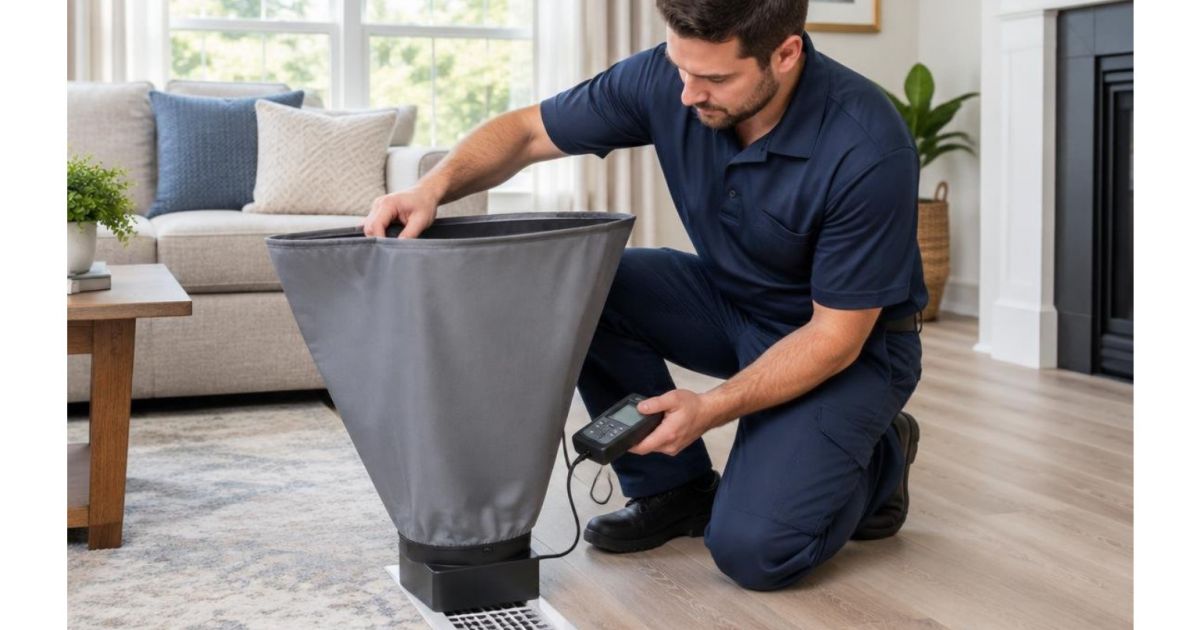
Sometimes, the fix isn’t as simple as a battery swap. If you’ve checked your settings and changed your filter but the air is still warm, you’re likely dealing with a mechanical or electrical failure. These components are under high pressure and high voltage, making them dangerous for DIY attempts. Brands like Carrier explain why professional diagnosis is vital for these complex parts.
Dealing with a Refrigerant Leak or Frozen Evaporator Coil
Refrigerant is the lifeblood of your system. Unlike a car’s gas tank, an AC should never “run out” of refrigerant. It’s a closed loop. If it’s low, you have a leak.
Signs of a refrigerant leak include:
- Hissing or bubbling noises near the indoor or outdoor unit.
- Ice forming on the copper refrigerant lines or the indoor coil.
- The AC running constantly but the house temperature rising.
If you see ice, turn the system off immediately. Running an AC with a frozen coil can cause liquid refrigerant to flood back into the compressor, potentially destroying it. Thawing a coil can take 24 hours. Because refrigerant handling is strictly regulated by the EPA and requires specialized equipment to find microscopic leaks, it is one of the many reasons why it’s best to leave air conditioning repairs to the pros.
Troubleshooting Steps for an air conditioner blowing hot air
Before you call us out to your home in Crescent City or Green Cove Springs, try these safe troubleshooting steps. We’ve put together a quick reference to help you decide when to grab a screwdriver and when to grab the phone.
| Troubleshooting Step | DIY or Pro? | Description |
|---|---|---|
| Check Thermostat | DIY | Ensure it’s on “Cool” and “Auto” with fresh batteries. |
| Inspect Air Filter | DIY | Replace if it looks gray, fuzzy, or clogged. |
| Check Circuit Breaker | DIY | Reset the breaker for the “AC” or “Condenser” once. |
| Clear Outdoor Debris | DIY | Remove leaves, grass clippings, or bushes within 2 feet of the unit. |
| Refrigerant Recharge | Pro | Requires EPA certification and leak detection tools. |
| Electrical Components | Pro | Testing capacitors and contactors involves high-voltage risks. |
| Compressor Repair | Pro | The most complex mechanical part of your system. |
If your outdoor unit isn’t running at all, check your electrical panel. Sometimes a power surge can trip the breaker for the outdoor condenser. If you reset it and it trips again immediately, do not try a third time. This indicates a short circuit or a failing component that needs professional attention. You can find more troubleshooting tips for systems that won’t turn on on our blog.
Preventing Future Breakdowns Through Regular Maintenance
The best way to handle an air conditioner blowing hot air is to make sure it never happens in the first place. Think of your HVAC system like your car; you wouldn’t drive 50,000 miles without an oil change, right?
Regular maintenance isn’t just about cleaning; it’s about catching small issues before they become $2,000 disasters. During a Southern Air Cooling & Heating tune-up, we:
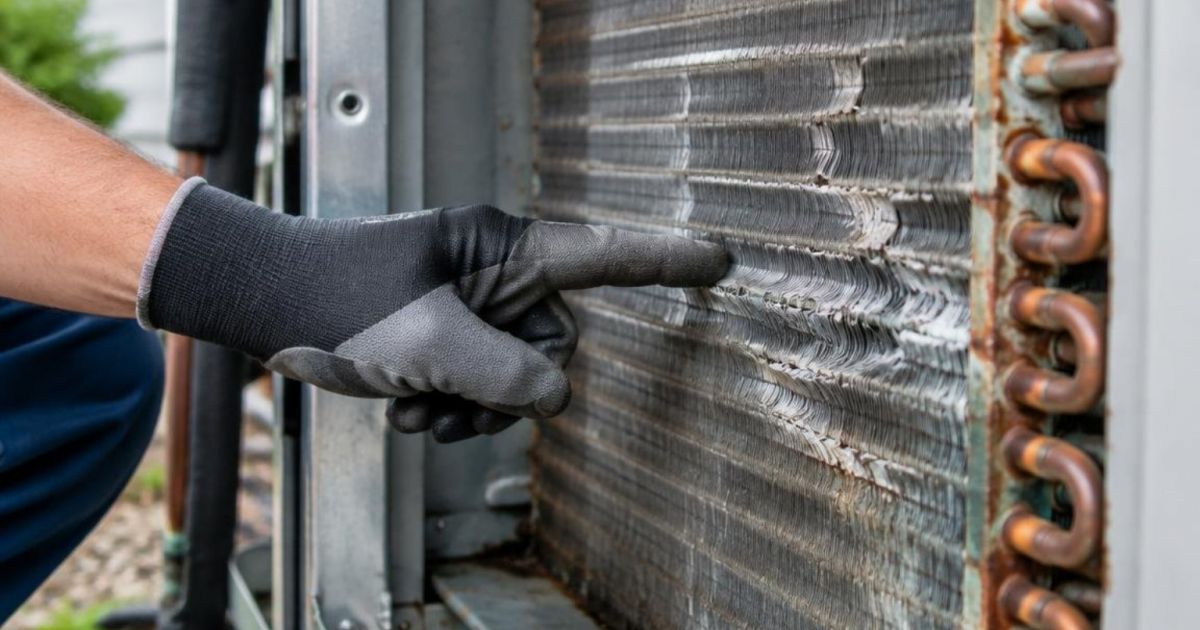
- Clean the Condenser Coils: Florida salt air and pollen can coat your outdoor coils, forcing the system to work harder.
- Flush the Drain Line: Algae and “slime” love our humidity. A clogged drain line can trigger a safety switch that shuts down your cooling.
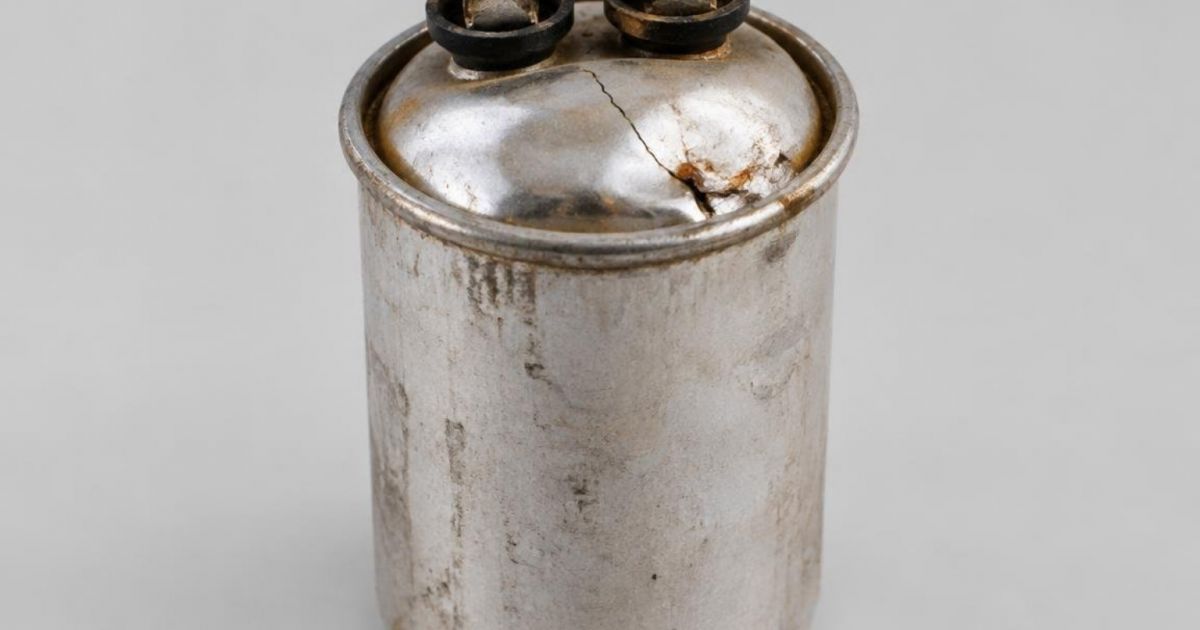
- Test Electrical Components: We measure the “health” of your capacitors. If we see one starting to bulge or lose power, we can replace it for a fraction of the cost of an emergency after-hours call.
Keep an eye out for these 4 signs your HVAC unit may need service to stay ahead of the heat.
Frequently Asked Questions about AC Issues
Should I turn off my AC if it is blowing warm air?
Yes, absolutely. If your AC is running but the air coming out is warm, the system is working hard for zero reward. Continuing to run a malfunctioning unit can lead to:
- Compressor Burnout: The compressor is cooled by the refrigerant. If refrigerant is low or the system is frozen, the compressor can overheat and seize up.
- Sky-High Electric Bills: Your unit will run indefinitely trying to reach a temperature it can’t possibly hit.
- Wasted Energy: You’re essentially paying for a very expensive, very loud box to sit outside and hum.
Ignoring the problem only increases the risks of putting off AC repair services.
How much does it cost to fix an AC blowing hot air?
The cost varies wildly depending on the culprit.
- Thermostat/Filter: These are the cheapest fixes, often under $150 (or the cost of a DIY filter).
- Capacitors or Contactors: These common electrical repairs usually range from $200 to $500.
- Refrigerant Leaks: This is more expensive because it involves labor to find the leak, materials to fix it, and the cost of the refrigerant itself, which has risen significantly in recent years.
- Compressor: This is the “big one.” If your compressor fails out of warranty, you’ll often need to weigh whether to repair or replace your AC unit.
Can a tripped breaker cause my AC to blow heat?
Yes, and it’s a very common scenario. Your AC system actually uses two separate breakers: one for the indoor air handler (the fan) and one for the outdoor condenser (the cooling part). If only the outdoor breaker trips, the indoor fan will keep blowing air through your house, but because the outdoor unit isn’t running, that air won’t be cooled. You’ll essentially have a very large, very expensive ceiling fan.
Conclusion
Dealing with an air conditioner blowing hot air is a rite of passage for many Floridians, but it doesn’t have to be a nightmare. By checking your thermostat, keeping your filters clean, and clearing away the Palmetto bushes from your outdoor unit, you can solve many issues yourself.
However, when the problem gets technical, like hissing sounds, frozen pipes, or a stubborn circuit breaker, it’s time to call in the experts. At Southern Air Cooling & Heating, we’ve spent over 43 years serving our neighbors from Palatka to Saint Augustine with family-owned excellence. We pride ourselves on 5-star service and offer our priority Comfort Club plans to ensure your system stays in peak condition year-round.
Don’t spend another minute sweating in your own living room. Schedule expert AC repair services with Southern Air Cooling & Heating today, and let us bring the “cool” back to your home!
Request Service
Please fill out the form below to request an estimate or schedule service.
"*" indicates required fields