Why Your AC Can Cause a High Electric Bill
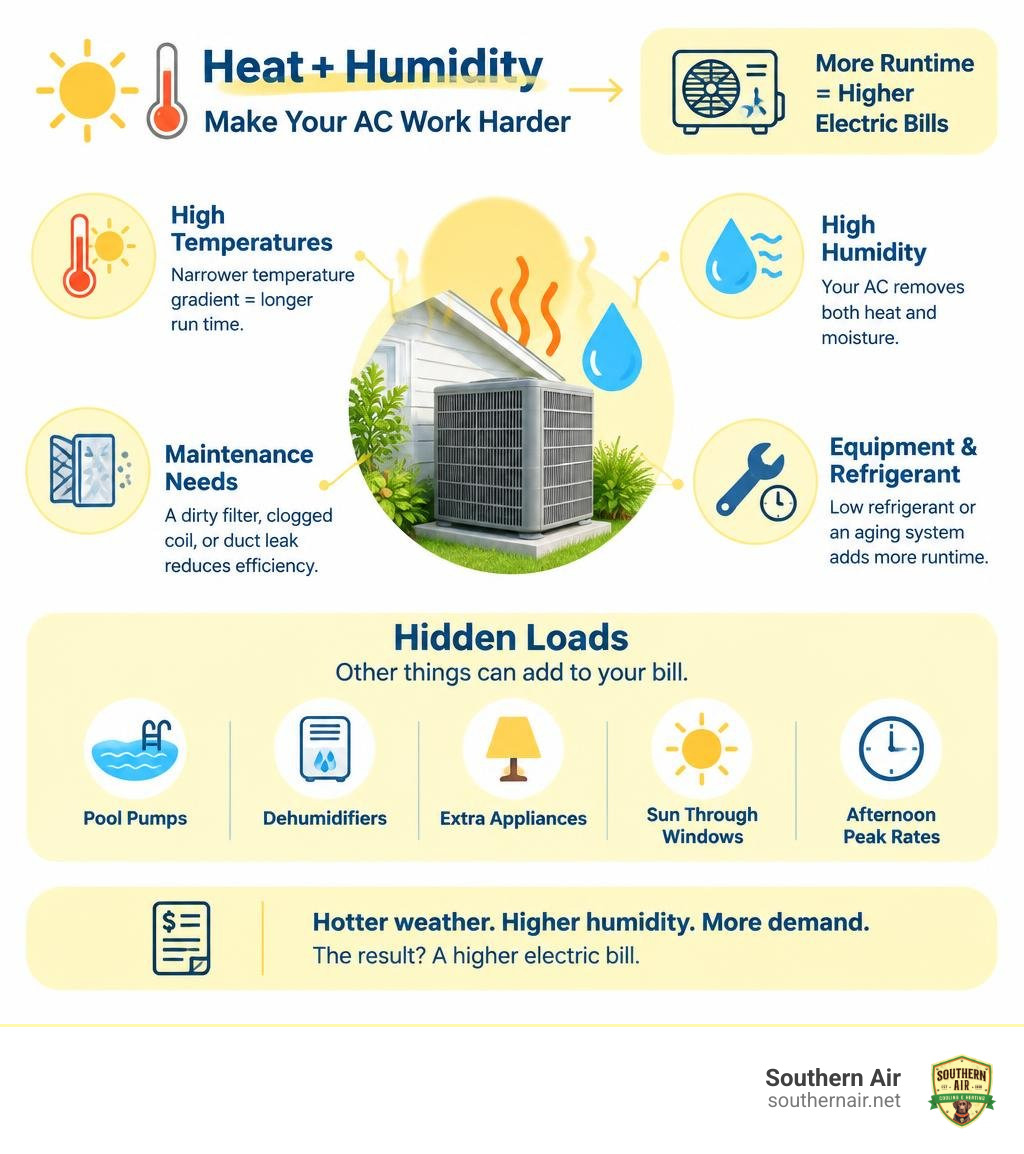
A high electric bill AC problem usually comes from one or more of three things: your system ran longer, electricity rates changed, or the AC lost efficiency. During a Florida heat wave, high outdoor temperatures and humidity make the AC work harder to remove both heat and moisture. A dirty filter, clogged coil, duct leak, low refrigerant, or an aging system can add even more runtime.
Start with these quick checks:
- Compare your bill’s total kWh use with the same month last year.
- Check whether your utility rate or billing-cycle length changed.
- Replace a dirty air filter and make sure vents and the outdoor unit are clear.
- Look for warning signs such as weak airflow, warm rooms, ice on refrigerant lines, or an AC that runs nearly nonstop.
- Check pool-pump schedules, dehumidifiers, and other large electrical loads that may have run longer than usual.
Your AC may account for a large share of summer electricity use, but it is not always the only cause. Heat, humidity, afternoon peak rates, sun entering through windows, and hidden appliances can combine to create a bill that feels out of proportion to your thermostat setting.
At Southern Air Cooling & Heating, our team helps North Florida homeowners trace high electric bill AC issues to maintenance problems, equipment wear, airflow losses, and everyday cooling habits before they become comfort or breakdown problems.
The Science Behind Heat Waves, Humidity, and a High Electric Bill AC Surge
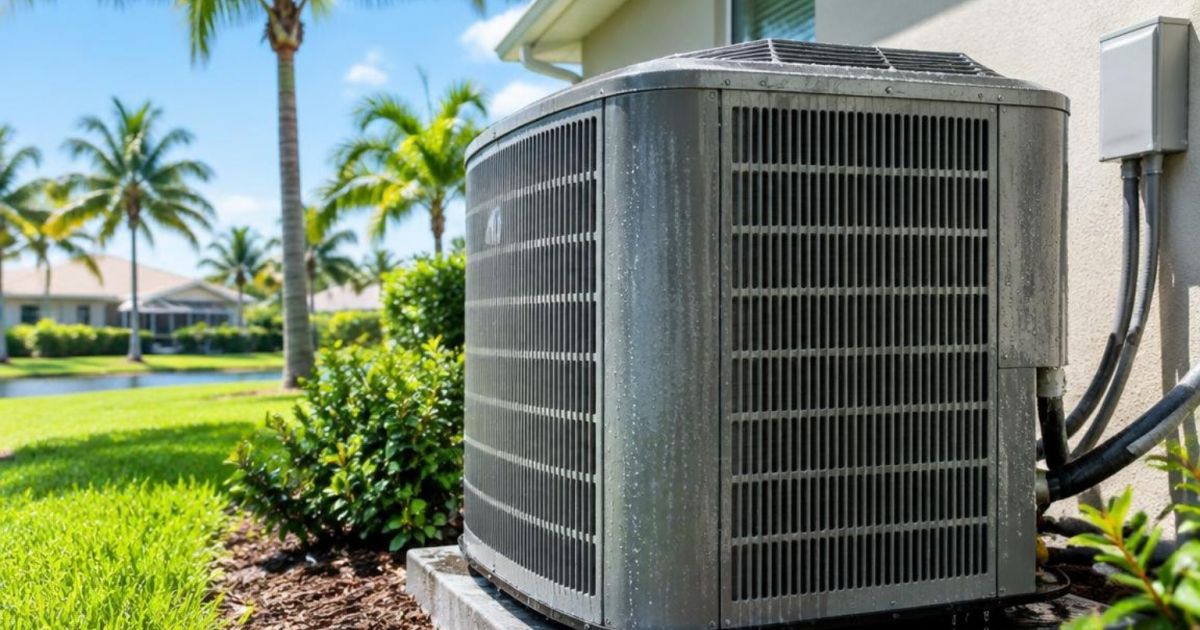
When summer temperatures climb across North Florida communities like Palatka, Saint Augustine, and Green Cove Springs, your cooling equipment enters overdrive. Air conditioning does not create cold air out of nothing. Instead, it extracts heat energy from indoor living spaces and transfers it outdoors. As outdoor temperatures soar into the upper nineties, the system has to work against higher pressures and for longer periods to maintain the thermostat setting.
This extended runtime directly increases energy use. For practical context on reducing home energy consumption, the American Council for an Energy-Efficient Economy offers consumer-focused energy-efficiency resources.
Why Latent Heat and Humidity Create a High Electric Bill AC Crisis
In coastal and river-valley climates, sensible heat, the temperature shown on a standard thermometer, is only half the battle. Latent heat is the thermal energy held in airborne moisture. AC systems must condense water vapor out of the air before they can effectively lower the indoor temperature.
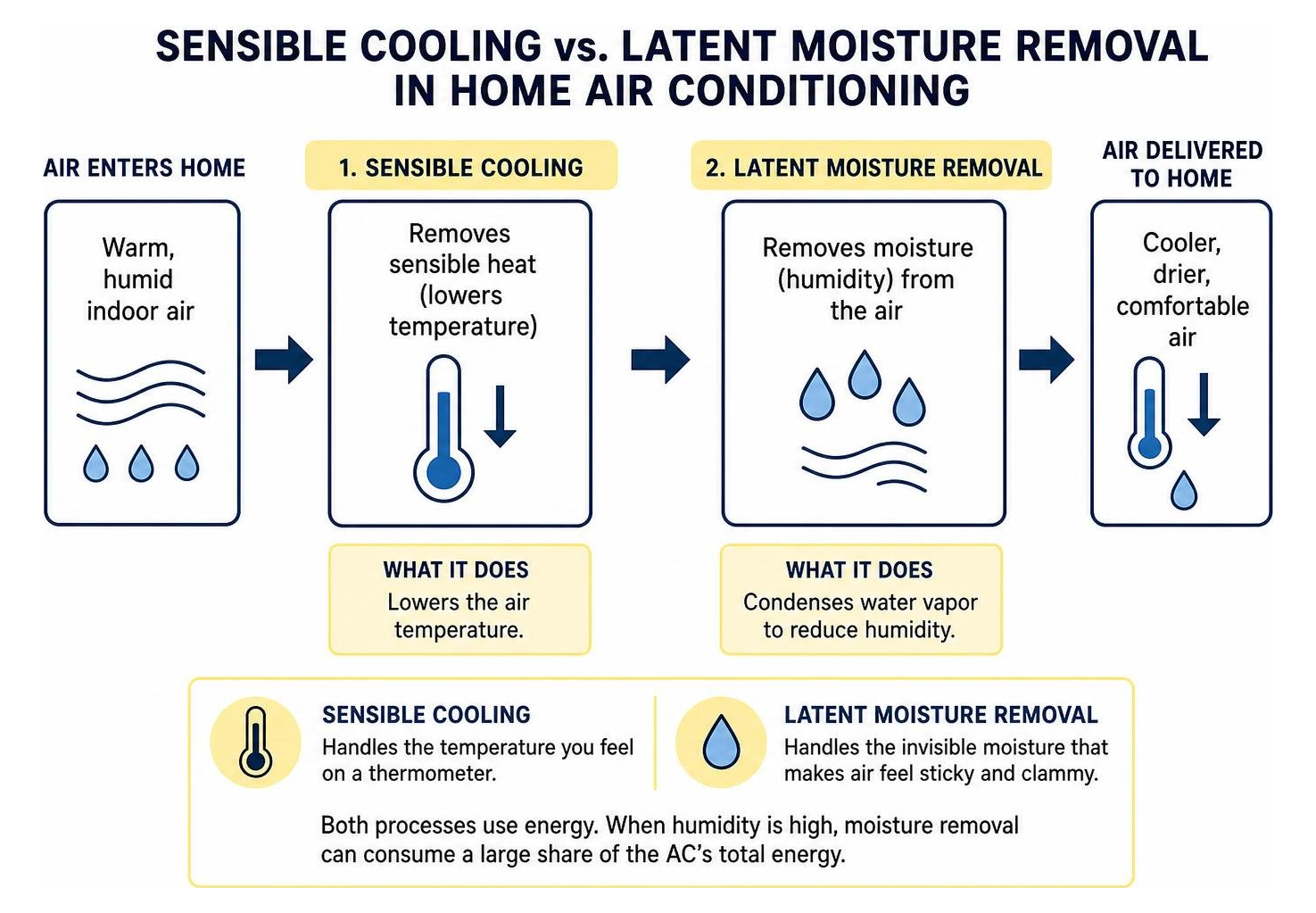
When high humidity enters a home, moisture removal can consume a meaningful share of the cooling load. If a unit cannot dehumidify efficiently, the lingering moisture keeps the house feeling clammy. Homeowners may then lower the thermostat further, triggering longer run cycles and placing more strain on the compressor.
Peak Demand Hours and Utility Rates
Beyond the physical workload placed on your equipment, your utility provider’s billing structure can affect the final monthly total. Review the bill for changes in electricity rates, billing days, and total kWh usage before assuming the AC is solely responsible.
When an AC runs for long stretches during the hottest part of the day, it uses more electricity at the same time that household demand is often highest. Comparing usage patterns with the same month last year can help separate a weather-driven increase from an equipment issue.
Mechanical HVAC Problems Driving Up Cooling Costs
When an AC experiences mechanical degradation, it uses significantly more electricity to deliver the same amount of cooling. Identifying warning signs early can help prevent unexpected billing spikes caused by preventable HVAC issues.
Clogged Air Filters and Dirty Coils
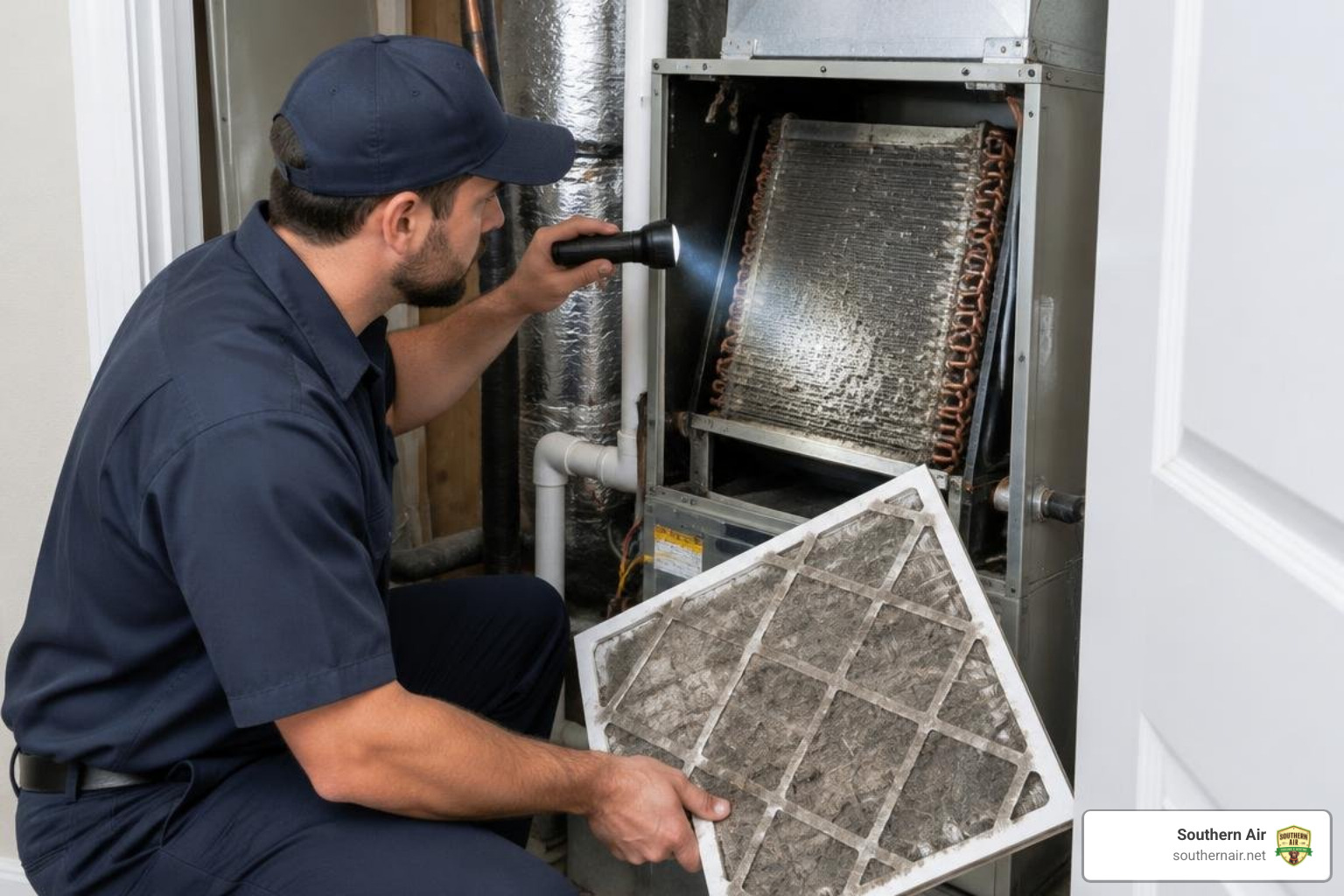
A residential HVAC system relies on balanced airflow to transfer heat away from the living space. When an air filter becomes clogged with dust, pet hair, and airborne debris, static pressure in the ductwork rises. This restriction can make the blower work harder while reducing the warm air moving across the evaporator coil.
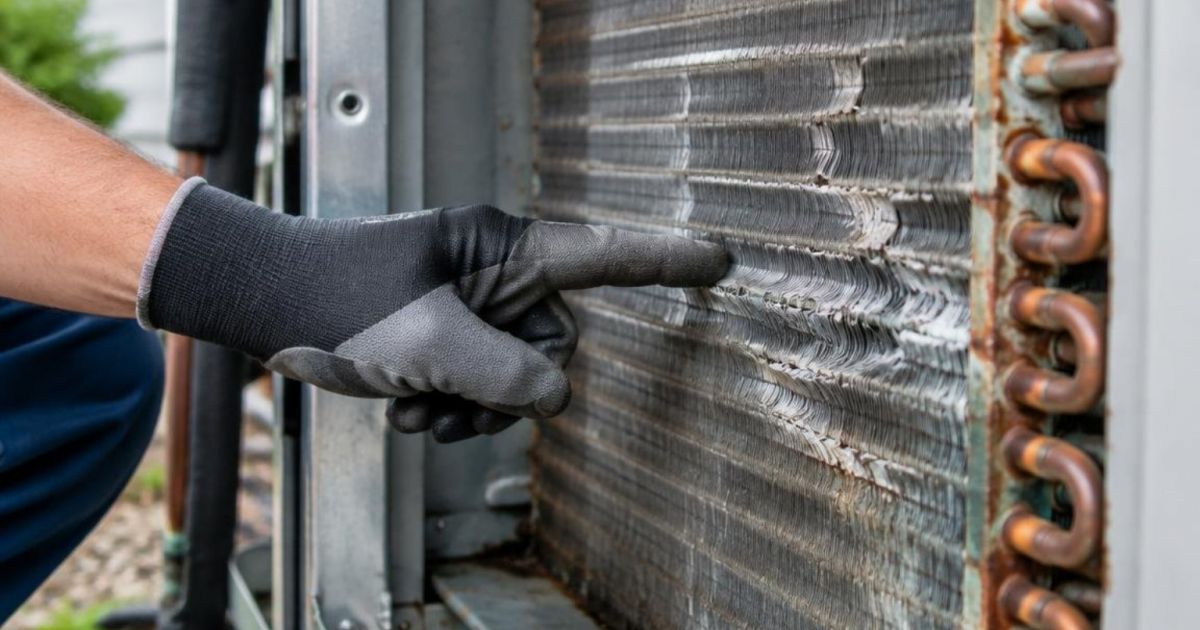
Dirt on indoor evaporator coils or outdoor condenser fins also limits heat transfer, leaving the compressor to run longer. Following this guidance on how often you should service your AC can help homeowners spot maintenance needs before they cause a larger efficiency loss.
For a system that is overdue for professional care, Southern Air Cooling & Heating provides AC maintenance that includes the inspections and cleaning needed to support reliable airflow and cooling performance.
Leaky Ductwork and Refrigerant Undercharge
Ductwork running through unconditioned attics or crawlspaces can lose conditioned air through small tears, disconnected joints, or deteriorated seams. As cooled air escapes into the attic, hot and humid attic air can be drawn back into the system, increasing indoor humidity and AC runtime.
This explanation of how leaky ductwork raises humidity levels shows why cooling bills may remain high even when the AC seems to run constantly.
When damaged ducts are the source of the problem, ductwork repair and replacement can help restore proper airflow and reduce wasted conditioned air.
Low refrigerant levels are another serious mechanical issue. A leak in the closed refrigerant circuit lowers operating pressures and can cause the evaporator coil to freeze. An iced coil blocks airflow, leads to extended runtimes, raises power bills, and can put the compressor at risk.
Diagnosing Inefficient Settings and Secondary Power Drains
Operating habits and secondary appliances often compound high cooling costs during the summer months. Correcting common AC misconceptions is one of the simplest ways to bring monthly utility use back under control.
Thermostat Settings, Pre-Cooling, and Smart Scheduling
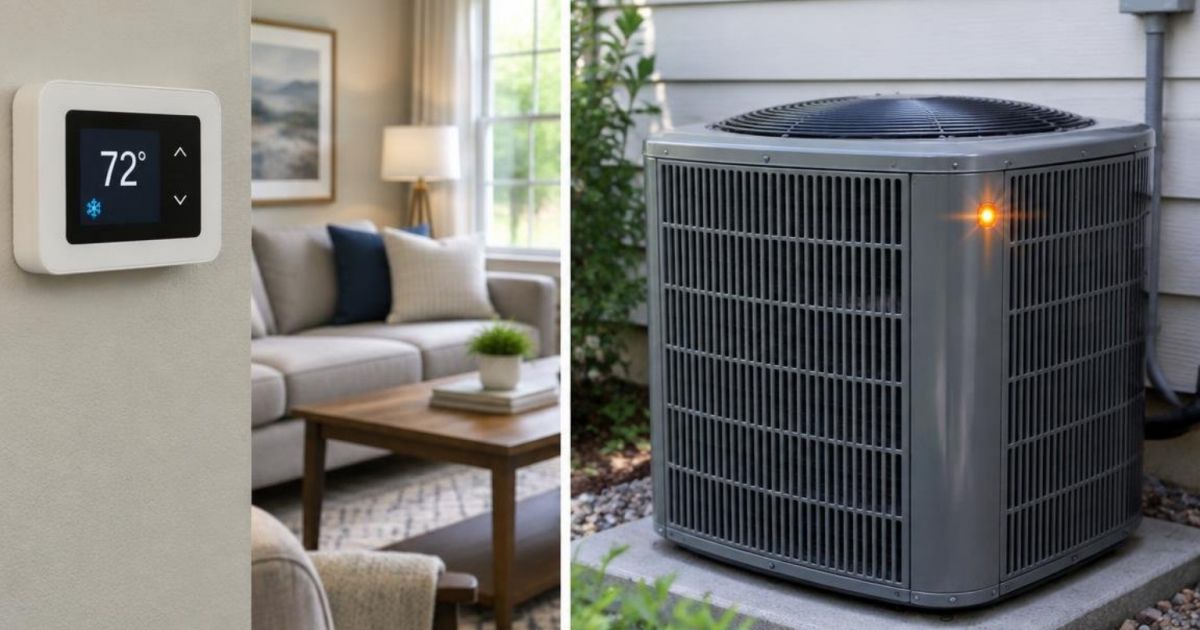
Setting a thermostat to 68°F on a 95°F afternoon does not make the air coming out of the vents colder. It simply causes the system to run longer. Applying the practical steps in these summer energy-saving AC tips can help stabilize a home’s cooling load.
Pre-cooling means lowering the thermostat slightly during early morning hours, when outdoor temperatures and electricity demand may be lower. As the afternoon arrives, raise the thermostat by 2 to 4 degrees. The thermal mass of walls, furniture, and flooring can help keep indoor spaces comfortable while reducing prolonged peak-hour AC operation.
Secondary Appliances and Hidden Loads
Your AC is often the primary suspect during a billing surge, but other household appliances can silently drive up total kWh usage:
- Pool pumps: Running single-speed pool filtration pumps for 10 to 12 hours daily can add substantial electrical consumption.
- Standalone dehumidifiers: Portable units run their own compressor cycles and add heat directly to living spaces.
- Secondary refrigerators: Older refrigerators or deep freezers in hot garages must work harder to stay cold.
- Water heaters: Standard tank water heaters that cycle frequently can create sustained electrical demand.
Repair vs. Replacement: When an Aging Unit Costs Too Much
As AC equipment passes the decade mark, internal components can degrade, electrical motors can lose efficiency, and some older refrigerants can become more difficult to service. When repairs become frequent, it is worth evaluating whether the system is becoming a money pit or remains a practical fix.
| System Factor | Older System (10+ Years, Low SEER) | Modern High-Efficiency System (SEER2) |
|---|---|---|
| Typical efficiency rating | 10 to 13 SEER | 16 to 20+ SEER2 |
| Energy consumption | High constant amp draw; single-speed | Modulating inverter compressor; lower draw |
| Humidity control | Rapid on/off cycles can leave humidity behind | Extended low-stage runs can remove more moisture |
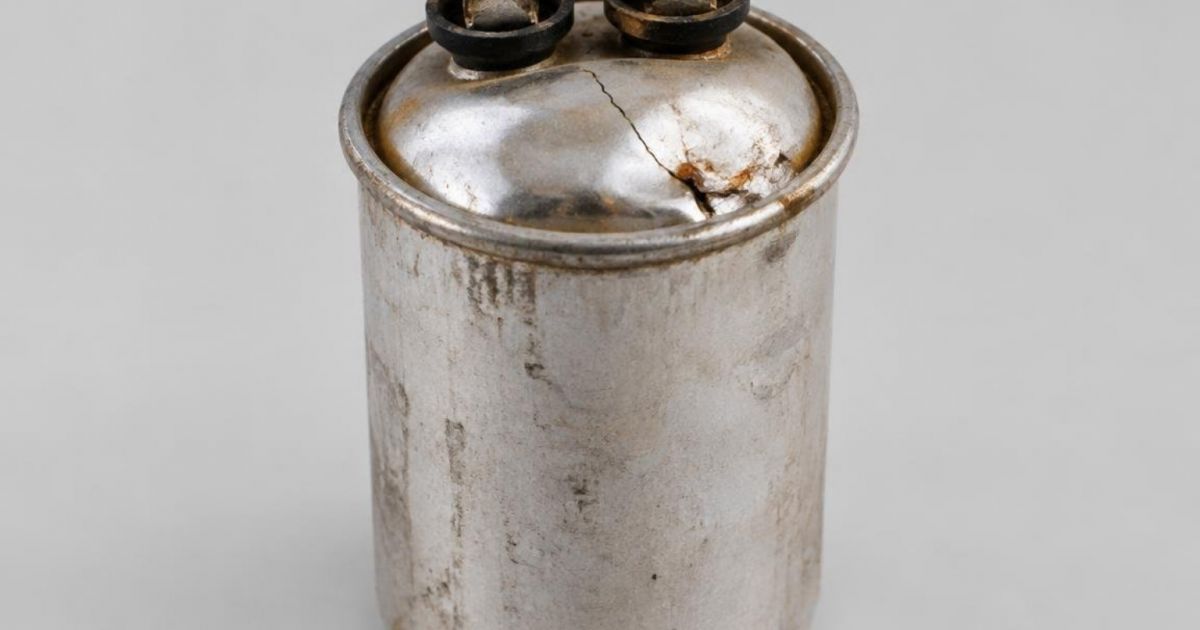
| Repair frequency | More frequent capacitor, fan motor, and leak fixes | Coverage may be available under manufacturer warranties |
| Monthly cooling costs | Elevated, with higher use each season | Potentially lower energy consumption when correctly selected and installed |
Diagnosing a Mechanical High Electric Bill AC Issue vs. Rate Increases
To determine whether a high bill is related to mechanical failure or utility-rate changes, examine the itemized breakdown on the electric bill. Compare total kWh consumed, not only the total dollar amount. If kWh use rose sharply while weather and household habits remained similar, an HVAC inspection is warranted.
Professional HVAC technicians can measure static pressure, motor and compressor amp draw, and the temperature difference across the evaporator coil. An accurate diagnosis helps clarify how to know if your AC is energy efficient or wasting electricity.
Evaluating AC Replacement, Sizing, and Long-Term Savings
If an older system needs major component replacements, modern equipment built to current SEER2 standards may offer better reliability and lower operating costs. Proper load calculations matter because oversized equipment can short-cycle and leave humidity behind, while undersized systems can run constantly.
This guide on choosing the right AC for your home can help homeowners evaluate square footage, insulation, layout, and comfort priorities before deciding on replacement.
Frequently Asked Questions About Summer AC Bills
How much can a dirty air filter increase my electric bill?
A clogged or heavily soiled air filter can increase cooling costs by 10% to 20%. The accumulated dust restricts airflow through the air handler, forcing the blower motor to draw more electricity while lowering heat absorption across the evaporator coil. Checking filters monthly and replacing them every 30 to 60 days preserves efficiency.
Does setting the thermostat lower cool the house faster?
No. Residential air conditioning systems operate at a fixed rate of heat removal. Setting the thermostat to a very low temperature does not accelerate the cooling process. It only keeps the system running longer, increasing wear on internal components and raising your electric bill.
What is the fastest way to confirm why my bill spiked?
Compare your current billing statement with the same calendar month from the previous year. Check the total number of billing days and the total kWh consumed. If your daily kWh average jumped significantly without corresponding changes in weather or household habits, schedule an HVAC diagnostic evaluation to inspect airflow, refrigerant levels, and electrical components.
Conclusion
Managing high summer electric bills requires looking at the big picture, including local weather extremes, daily usage habits, and equipment health. Understanding how humidity affects AC performance makes regular maintenance especially important in Florida’s warm climate.
At Southern Air Cooling & Heating, our team has served homeowners across Putnam, St. Johns, and Clay counties for more than 43 years. Through seasonal tune-ups and priority Comfort Club maintenance plans, we help keep equipment operating efficiently so homeowners can stay comfortable through the summer. If your AC is running longer than usual or your kWh usage has climbed unexpectedly, contact our professional AC service technicians to schedule an AC performance check.
Request Service
Please fill out the form below to request an estimate or schedule service.
"*" indicates required fields