What Does a Heat Pump Actually Cost in 2026?
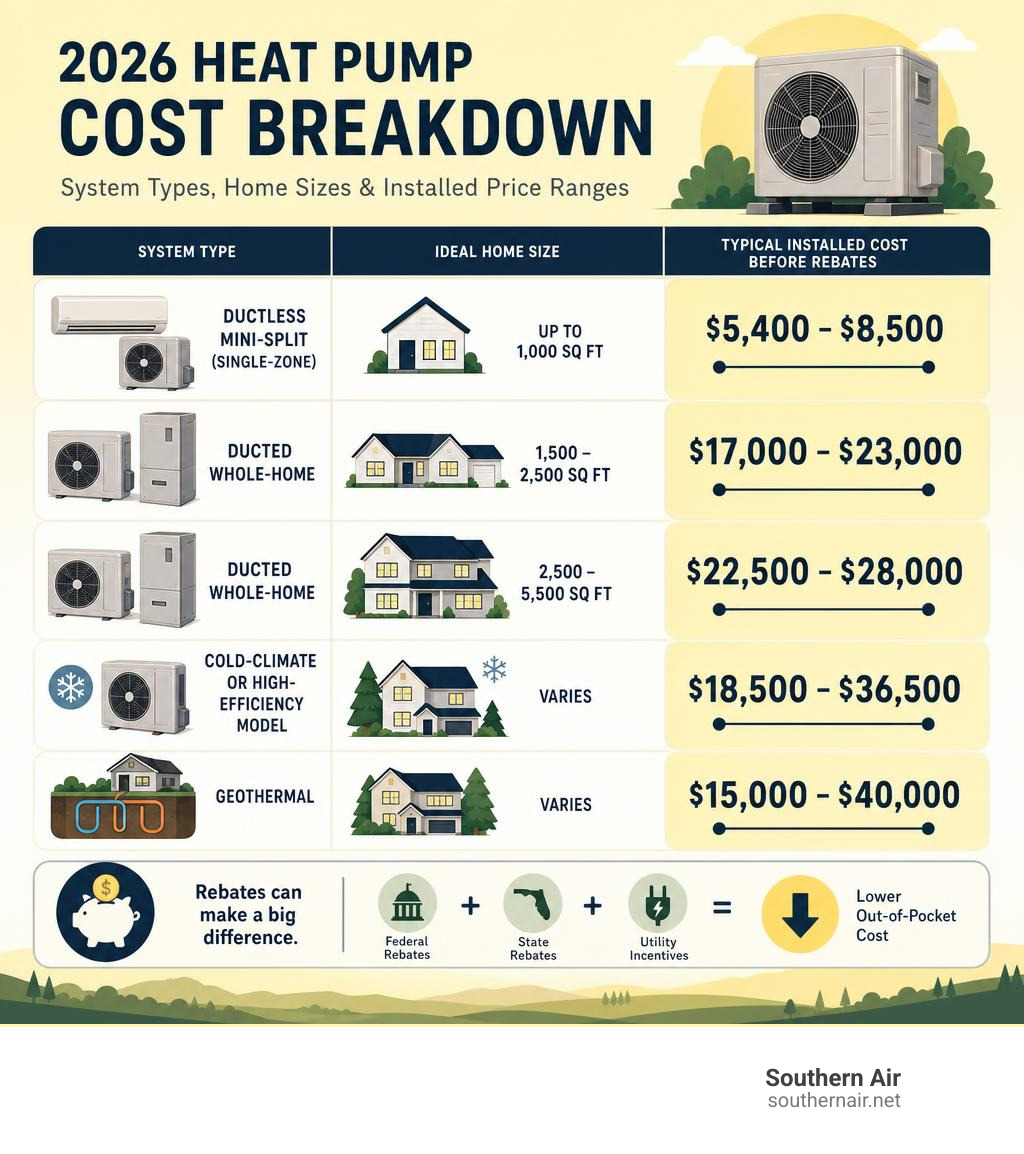
Understanding heat pumps for homes cost is the first step before calling a single contractor. Here is a quick snapshot so you can size up your budget right now:
| System Type | Typical Installed Cost (Before Rebates) |
|---|---|
| Single-zone ductless mini-split | $5,400 – $8,500 |
| Ducted whole-home (1,500-2,500 sq ft) | $17,000 – $23,000 |
| Ducted whole-home (2,500-5,500 sq ft) | $22,500 – $28,000 |
| Cold-climate or high-efficiency model | $18,500 – $36,500 |
| Geothermal | $15,000 – $40,000 |
After stacking available state, utility, and federal rebates, many homeowners pay significantly less out of pocket.
Heat pumps have quietly become one of the most talked-about home upgrades in the country. For the third consecutive year in 2025, heat pumps outsold gas furnaces nationally. That is not a fluke. A single heat pump replaces both your air conditioner and your heating system, runs on electricity, and moves heat roughly three times more efficiently than traditional systems. For Florida homeowners dealing with brutal summers and surprisingly chilly winters, that combination is hard to ignore.
But the sticker price can still catch people off guard. Costs vary widely depending on your home’s size, existing ductwork, the system type you choose, and who installs it. A quote for one neighbor’s home can look completely different from yours, even on the same street.
This guide breaks down exactly what drives those numbers, what you can realistically expect to pay in 2026, and where you might find savings.
I’m Dustin Caison, President and CEO of Southern Air Cooling & Heating, a State Certified Air Conditioning Contractor with more than two decades of hands-on experience helping North Florida homeowners navigate heat pumps for homes cost and make confident decisions about their HVAC systems. In the sections ahead, I will walk you through everything you need to know before you sign a single contract.
Understanding the Average Heat Pumps for Homes Cost in 2026
A whole-home heat pump installation in 2026 often lands somewhere between $8,000 and $25,000 or more, depending on the system type, home size, ductwork, electrical needs, and efficiency level. For many typical 1,500 to 2,500 square foot homes, a full ducted installation commonly falls in the $17,000 to $23,000 range before rebates. Larger homes can push the total closer to $25,000 or more. These numbers are best used as planning ranges, since homeowners should request a professional estimate for accurate pricing based on their specific home.
That is a wide range, and yes, we know that is not the tidy little answer everyone hopes for. HVAC pricing is a lot like buying a truck. You can get the practical workhorse, the extra-comfortable daily driver, or the fully loaded model with every button known to humankind.
In heat pump terms, your options usually fall into three buckets:
- Budget: Standard-efficiency equipment, simpler installation, existing ductwork in good condition
- Balanced: Mid-to-high efficiency system, better humidity control, stronger warranty coverage, professional duct and airflow review
- Premium: Variable-speed or high-efficiency system, advanced controls, zoning, duct upgrades, smart thermostat integration, and electrical improvements if needed
For North Florida homes in Palatka, FL, Saint Augustine, FL, Fleming Island, FL, Green Cove Springs, FL, and nearby communities, heat pumps for homes cost often makes more sense when you look at the full value of the system. A heat pump is not just a heater. It can serve as your AC system and heating system in one package, which is especially helpful in a climate where cooling performance and humidity control matter for much of the year.
If your current unit is aging, inefficient, or struggling to keep up, our guide to what happens during a North Florida heat pump replacement explains the process from system evaluation to final testing.

Cost Breakdowns by Home Size and System Type
Home size is one of the biggest pricing factors, but square footage alone does not tell the whole story. Ceiling height, insulation, window quality, duct condition, sun exposure, and household comfort preferences all affect system size.
Still, a general breakdown helps homeowners plan.
| Home Size | Typical System Size | Common System Type | Typical Installed Cost Before Rebates |
|---|---|---|---|
| 1,000-1,500 sq ft | 1.5-2.5 tons | Ducted or single/multi-zone ductless | $8,000 – $18,000 |
| 1,500-2,500 sq ft | 2.5-4 tons | Ducted whole-home heat pump | $17,000 – $23,000 |
| Around 2,000 sq ft | 3-4 tons | Ducted whole-home heat pump | $10,000 – $20,000+ |
| 2,500-5,500 sq ft | 4-5+ tons | Larger ducted or zoned system | $22,500 – $28,000 |
| Single room or addition | Varies | Single-zone mini-split | $5,400 – $8,500 |
| Several rooms without ducts | Varies | Multi-zone mini-split | $12,000 – $25,000+ |
These are planning ranges, not guaranteed quotes. A 2,000 square foot home with clean ductwork and a straightforward changeout can cost much less than a 2,000 square foot home that needs duct repairs, electrical upgrades, a new air handler, and permit-heavy work.
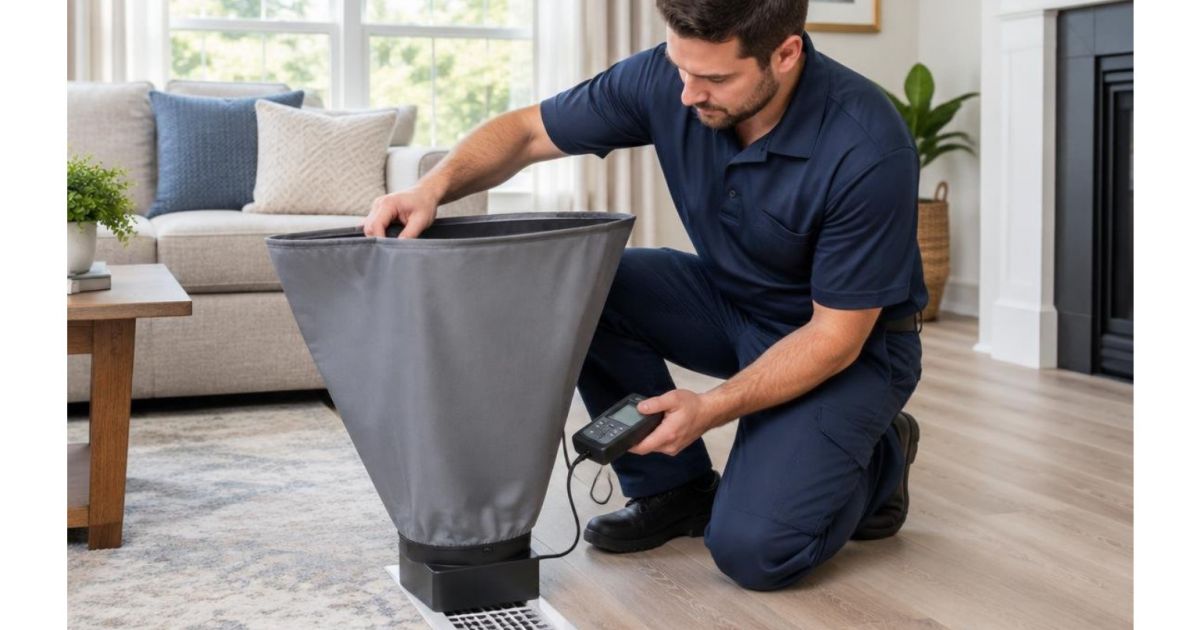
The smartest step is to have a professional evaluate the home instead of guessing based on square footage alone. A proper load calculation helps prevent oversizing, short cycling, high humidity, and wasted energy.
Sizing and Heat Pumps for Homes Cost for Different Properties
Correct sizing is where comfort, efficiency, and price all meet. Too small, and the system runs constantly. Too large, and it may cool the house quickly without removing enough humidity. In Florida, that second problem is a big deal. Nobody wants a cold, clammy living room. That is not comfort. That is refrigerator cosplay.
For general planning:
- A 1,500 square foot home may need around 2 to 3 tons, depending on insulation and layout.
- A 2,000 square foot home may need around 3 to 4 tons.
- A 2,500+ square foot home may need 4 tons or more, especially with high ceilings or multiple stories.
- Homes with additions, enclosed porches, or converted garages may need zoning or ductless support.
In Palatka, FL and surrounding areas, humidity control is just as important as heating capacity. A well-sized heat pump should cool, dehumidify, and heat efficiently without constant start-stop cycling.
That is why we recommend a professional sizing process rather than a shortcut estimate. The system should be selected around your real home, not a rule-of-thumb guess. If you are still weighing whether this upgrade makes sense locally, we break down the advantages of heat pumps for Florida homeowners in more detail.
Ducted vs. Ductless Mini-Split Heat Pumps for Homes Cost
The next major decision is ducted versus ductless.
A ducted heat pump uses your home’s existing duct system to distribute conditioned air throughout the house. If your ducts are already in good shape, this is often the cleanest whole-home solution. It keeps the familiar central HVAC layout and can replace an older AC and heating setup.
A ductless mini-split uses one or more indoor wall, ceiling, or floor-mounted units connected to an outdoor heat pump. These are great for:
- Room additions
- Garages or workshops
- Older homes without ductwork
- Bonus rooms
- Sunrooms
- Home offices
- Bedrooms that never feel comfortable
- Zoned comfort in specific areas
Single-zone mini-splits usually cost less than whole-home ducted systems because they condition one area. Multi-zone ductless systems cost more because they include multiple indoor heads, more refrigerant lines, more controls, and more labor.
A ducted system may be the better value for a full home with usable ducts. A ductless system may be the better fit when ducts are missing, damaged, or impractical. For some homes, a hybrid approach works beautifully: central heat pump for most of the house, ductless mini-split for the one room that acts like it has its own weather system.
Key Factors That Influence Your Total Installation Investment

When homeowners compare heat pump quotes, the equipment price is only one piece. The full installed cost includes labor, materials, setup, safety checks, code compliance, and sometimes additional home improvements.
Here are the biggest factors that affect the final number.
- Home size and load requirements
Larger homes usually need more capacity. But two homes with the same square footage can need different systems. Insulation, windows, air leakage, ceiling height, shade, and layout all matter.
- Ductwork condition
Leaky, undersized, or poorly designed ducts can reduce comfort and efficiency. If your ductwork needs sealing, repair, resizing, or replacement, that adds cost but can dramatically improve performance.
- Efficiency rating
Heat pumps are rated by SEER2 for cooling efficiency and HSPF2 for heating efficiency. Higher-efficiency systems generally cost more upfront but may lower operating costs and improve comfort.
- Compressor type
Single-stage systems are usually less expensive. Two-stage and variable-speed systems cost more but offer better temperature control, quieter operation, and improved humidity management.
- Electrical requirements
Some homes need electrical updates to support a new heat pump, especially if the panel is older or lacks available capacity. Electrical work should always be evaluated by qualified professionals and completed to code.
- Labor and installation complexity
A simple replacement is usually less expensive than a job requiring tight attic access, new refrigerant lines, duct modifications, drain upgrades, equipment relocation, or structural adjustments.
- Thermostat and controls
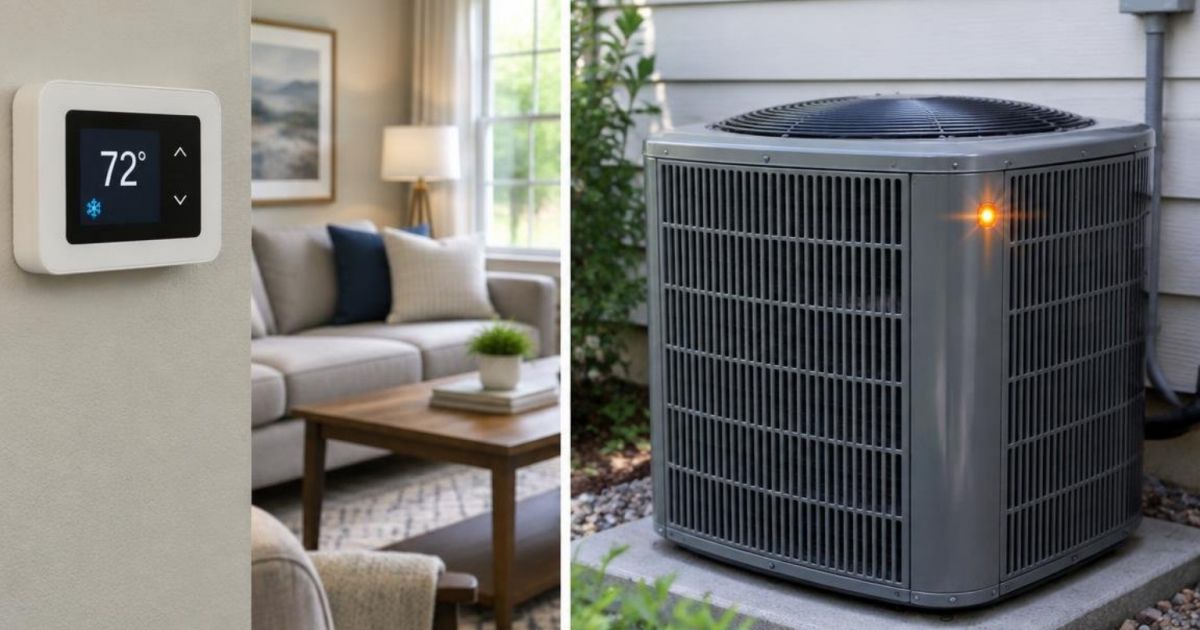
A smart thermostat can improve scheduling, comfort, and efficiency. Some systems work best with specific communicating controls. We explain the comfort and efficiency benefits of a smart thermostat for your heat pump if you are considering that upgrade.
- Climate needs
North Florida does not usually require the same cold-weather equipment as northern states, but homeowners still need reliable heating for chilly nights. For most homes in our service area, the priority is efficient cooling, humidity control, and dependable seasonal heating.
There are plenty of misunderstandings about how heat pumps perform, especially in Florida. If you have heard that heat pumps do not heat well or are only useful in certain climates, our article on common heat pump myths in Palatka, FL clears up the confusion.
Financial Incentives, Rebates, and Long-Term Savings
Heat pump rebates and incentives can change quickly, so homeowners should verify current programs before signing a contract. Depending on eligibility, available incentives may include:
- Utility rebates
- State energy programs
- Income-qualified rebate programs
- Manufacturer promotions
- Seasonal contractor specials
- Financing offers
- Federal or local energy-efficiency programs, if available at the time of installation
When programs are available and properly documented, incentives may reduce the final out-of-pocket investment. In certain income-qualified cases, rebates can make a larger difference. However, eligibility depends on the home, location, income level, utility provider, equipment efficiency, installation standards, and program funding.
For homeowners in Palatka, FL, Crescent City, FL, Interlachen, FL, Keystone Heights, FL, and Saint Augustine, FL, we recommend checking rebate availability early in the quote process. Do not assume every system qualifies. Efficiency ratings, installation standards, and documentation often matter.
Now let’s talk savings.
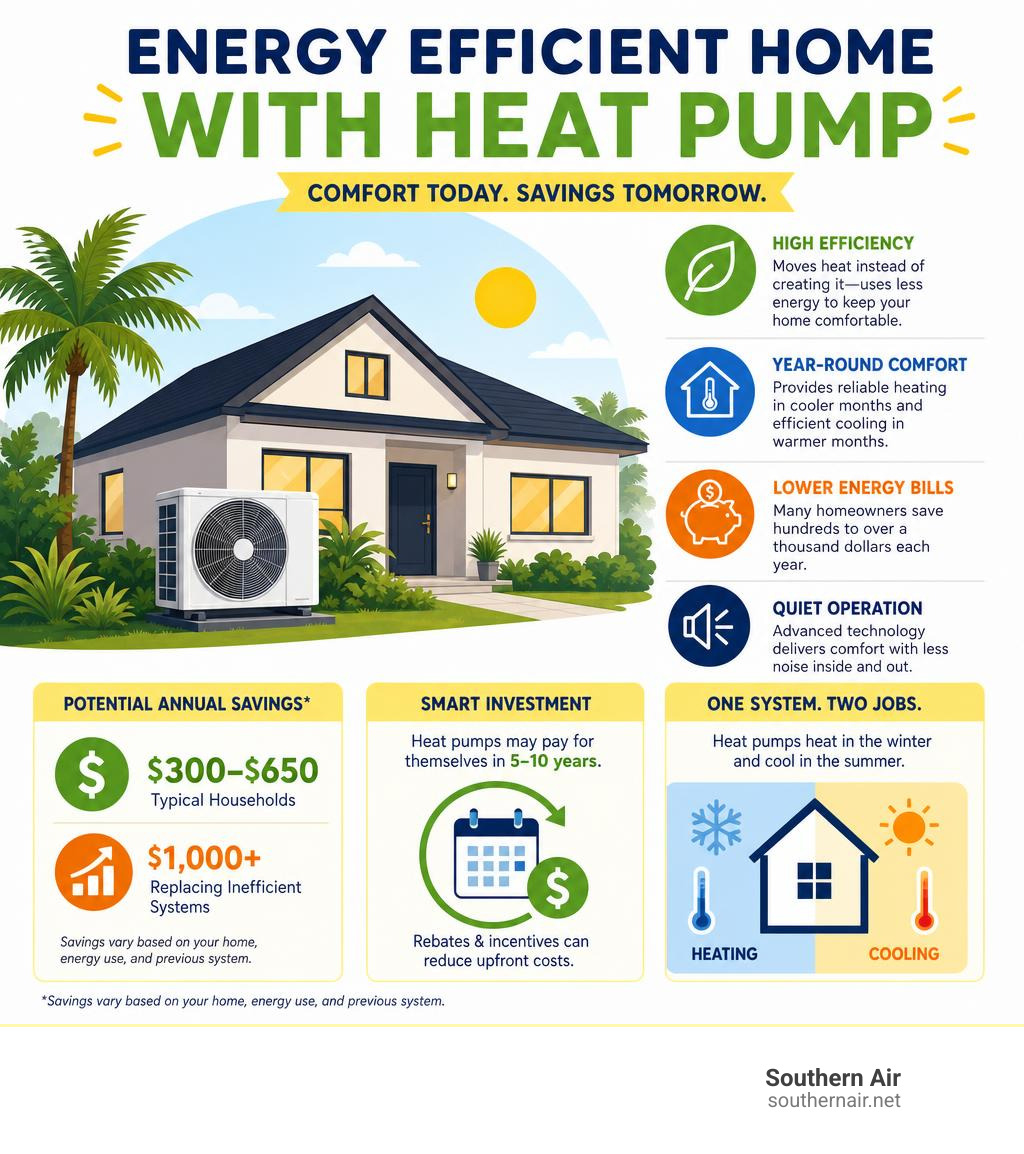
Heat pumps are efficient because they move heat instead of creating it through combustion or electric resistance. Research commonly shows heat pumps operating about three times more efficiently than traditional electric resistance heating. Homeowners switching from electric baseboards, electric furnaces, fuel oil, or propane may see stronger savings. Many households see noticeable annual utility savings, while homes replacing inefficient systems may save even more.
Payback varies. A heat pump may pay for itself over time through lower operating costs, especially when replacing inefficient heating and cooling equipment or when rebates reduce the upfront investment. If you already have low utility costs and newer equipment, the payback may take longer.
There is also the replacement value to consider. If you need both a new AC and a new heating system, a heat pump can be more attractive because one system handles both jobs. Compared with replacing separate heating and cooling equipment, a heat pump can simplify the system lineup and may reduce long-term energy use.
Maintenance matters too. A neglected heat pump loses efficiency, works harder, and may wear out sooner. Our team strongly recommends seasonal service, and we explain why routine heat pump tune-ups are important in Palatka, FL for comfort and system life.
If you are still sorting through the basics, our team also put together answers to common homeowner questions about heat pumps so you can feel more confident before requesting an estimate.
Frequently Asked Questions About Heat Pump Costs
How much does a heat pump cost for a 2,000 square foot house in 2026?
A 2,000 square foot home often needs a 3 to 4 ton heat pump, but the exact size depends on insulation, ductwork, windows, ceiling height, and layout. In 2026, many ducted heat pump installations for this size home fall somewhere around $10,000 to $20,000 or more before rebates. The best way to price it accurately is with an in-home load calculation and duct evaluation.
Is a heat pump cheaper than a gas furnace to install?
A heat pump may cost more upfront than a standalone furnace, but it also replaces the central AC in many homes. When comparing a heat pump against a furnace plus central AC replacement, the numbers often become much closer. In North Florida, where cooling is a major priority, the combined heating and cooling value can make a heat pump a strong option.
What is the average lifespan of a heat pump?
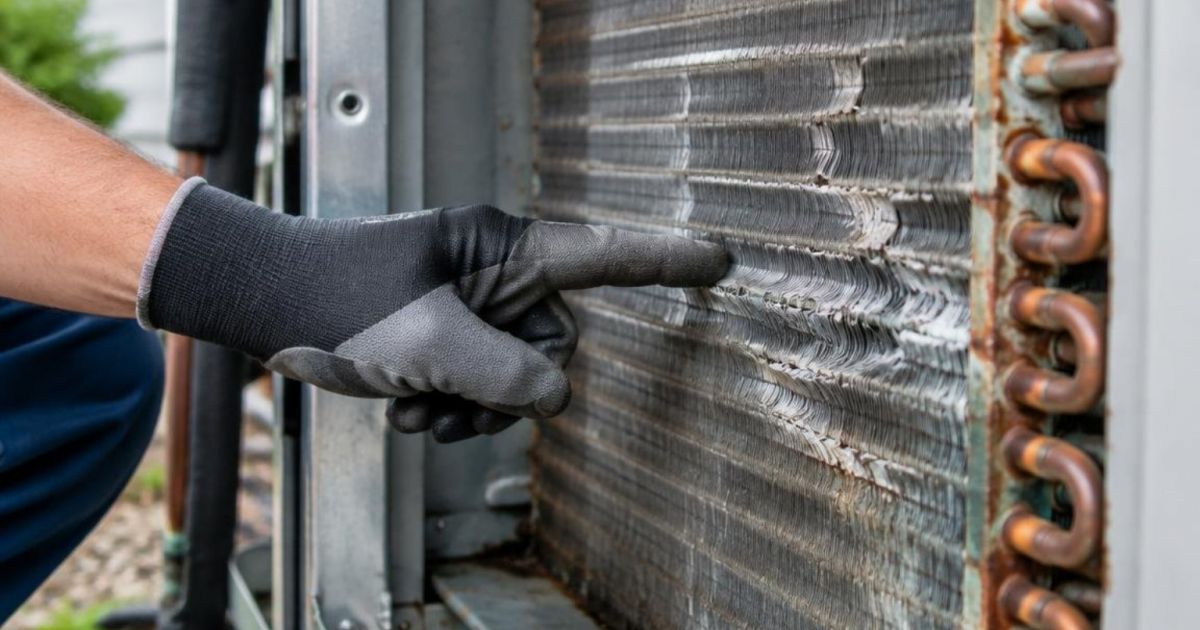
A well-maintained heat pump typically lasts about 10 to 15 years, and some systems can last longer with proper care. Florida’s long cooling season means heat pumps work hard, so filter changes, coil cleaning, refrigerant checks, drain maintenance, and professional tune-ups are important.
Do heat pumps work efficiently in cold climates?
Modern heat pumps can work well in cold weather, especially cold-climate models with variable-speed technology. However, in Palatka, FL and nearby North Florida communities, extreme cold is not usually the main concern. Homeowners here typically benefit most from strong cooling efficiency, humidity control, and dependable heating during mild winter conditions.
Does a heat pump require an electrical panel upgrade?
Some homes need an electrical panel upgrade, but not all. It depends on the existing panel capacity, available breaker space, system size, and local code requirements. Older homes or homes with limited electrical service are more likely to need updates. This should be checked before installation begins.
How long does it take for a heat pump to pay for itself?
Many heat pumps pay for themselves through energy savings in about 5 to 10 years, but the timeline varies. Payback is usually faster when replacing electric resistance heat, propane, fuel oil, or an inefficient older HVAC system. Rebates and lower operating costs can shorten the payback period.
What is the difference between standard and cold-climate heat pumps?
Standard heat pumps are designed for efficient heating and cooling in moderate climates. Cold-climate models are built to maintain better heating performance at lower outdoor temperatures, often using advanced compressors and controls. They usually cost more. In North Florida, a standard or high-efficiency heat pump is often sufficient unless the home has unusual needs.
How much can I save annually by switching to a heat pump?
Savings depend on your current system, utility rates, home efficiency, and thermostat habits. Many homeowners see annual savings of $300 to $650, while homes switching from inefficient electric resistance, propane, or oil systems may save closer to $900 or more per year. A professional estimate can help compare your current operating costs against a new system.
What is the $5,000 rule for HVAC replacement?
The $5,000 rule is a simple repair-versus-replace guideline. Multiply the age of your HVAC system by the repair cost. If the result is more than $5,000, replacement may be the smarter financial choice. For example, a 12-year-old system facing a $500 repair equals $6,000, which suggests replacement should be considered.
When is the best time to schedule heat pump maintenance in Palatka, FL?
The best times are usually spring before heavy cooling season and fall before cooler weather arrives. Because heat pumps provide both heating and cooling, they benefit from regular attention. Seasonal maintenance helps improve efficiency, reduce breakdown risk, and keep your home comfortable through North Florida’s heat and humidity.
Conclusion
The real answer to heat pumps for homes cost is this: it depends on the home, the system, and the installation details. A single-zone mini-split may be a manageable upgrade for one room, while a whole-home ducted heat pump is a larger investment that can replace both heating and cooling. High-efficiency equipment, duct improvements, electrical work, and smart controls can raise the upfront price, but they may also improve comfort and reduce long-term energy use.
For homeowners in Palatka, FL, East Palatka, FL, Crescent City, FL, Fleming Island, FL, Green Cove Springs, FL, Interlachen, FL, Keystone Heights, FL, Saint Augustine, FL, and surrounding communities, the key is not finding the cheapest heat pump. The key is finding the right system, installed correctly, sized properly, and maintained consistently.
That is where experience matters. With 43+ years of family-owned service, 5-star care, priority Comfort Club plans, and HVAC specials like $50 off repairs, we help homeowners make smart decisions without the pressure or guesswork.
Whether you are comparing replacement options, planning a full HVAC upgrade, or trying to understand the true cost of a new heat pump, Southern Air Cooling & Heating is ready to help with honest guidance and skilled installation. Schedule your professional heat pump service with our team today.
Request Service
Please fill out the form below to request an estimate or schedule service.
"*" indicates required fields