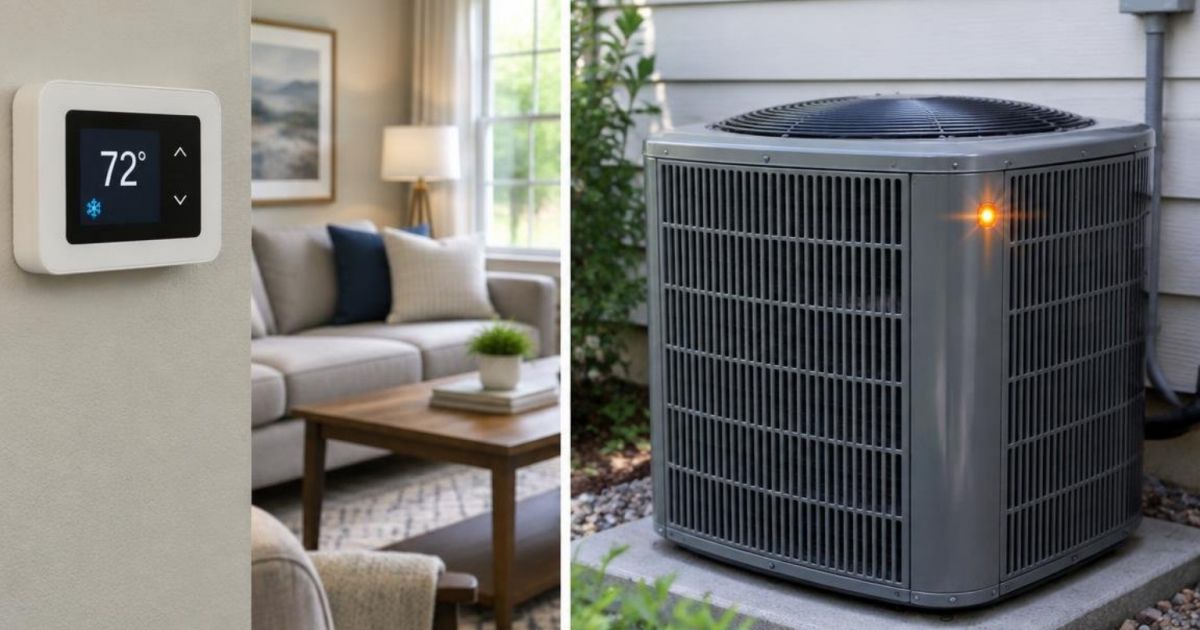
Understanding AC Short Cycling and Normal Run Times
If your AC keeps turning on and off after only a few minutes, it is likely short cycling. Common causes include a clogged air filter, thermostat placement or calibration problems, low refrigerant, failing electrical components, and an oversized system. These issues can interrupt normal cooling, raise energy use, and put added strain on the compressor.
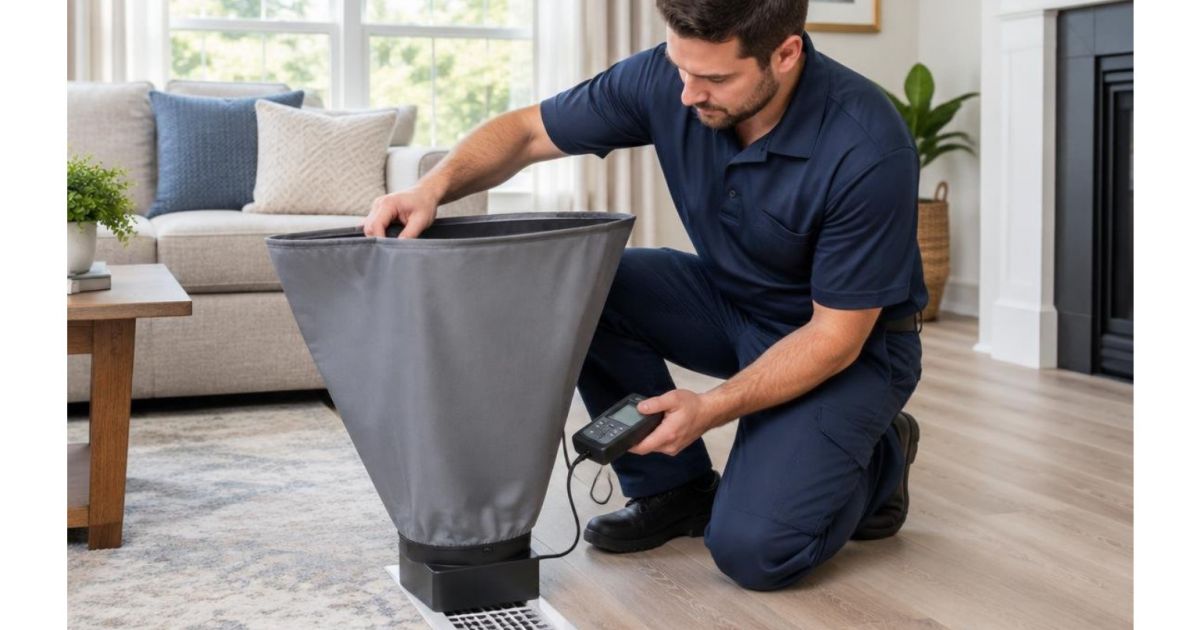
When an air conditioner operates normally, it turns on, runs for a steady duration to cool the home, and shuts down until the temperature rises again. In contrast, short cycling happens when the equipment runs for just two to five minutes before abruptly shutting down, only to restart a few moments later. Addressing short HVAC cycling issues in Florida early on protects your cooling equipment from severe mechanical damage while keeping your living space comfortable throughout the hottest months of the year.
| Operational Factor | Normal Cooling Cycle | Short Cycling AC |
|---|---|---|
| Average Run Time | 10 to 20 minutes per cycle | 2 to 5 minutes per cycle |
| Cycles Per Hour | 2 to 4 cycles under normal load | 8 to 12+ rapid starts per hour |
| Indoor Humidity | Balanced, comfortable indoor air | High humidity, clammy feeling |
| Electrical Demand | Stable, controlled energy usage | Frequent high-amperage spikes |
| Compressor Stress | Low to moderate operational wear | Severe thermal and mechanical strain |
How a Normal Cooling Cycle Operates
An air conditioning system has two primary responsibilities: lowering indoor air temperature and extracting excess moisture from the air. Warm air carries sensible heat, which affects room temperature, and latent heat, which represents airborne moisture.
During a standard 10 to 20 minute cycle, the blower fan pulls warm, humid room air across the cold evaporator coil. As the air chills, water vapor condenses on the coil surface and drains away, significantly lowering indoor humidity. Once the room reaches the thermostat setpoint, the entire system powers down smoothly, having established an even temperature and a crisp indoor environment.
Why AC Short Cycling Is Damaging to Your System
Every time your air conditioner turns on, its compressor draws a large surge of electrical current, often three to ten times higher than its steady running amperage. When the unit turns on and off constantly throughout the day, this startup surge repeats dozens of times, causing significant wear on critical components.
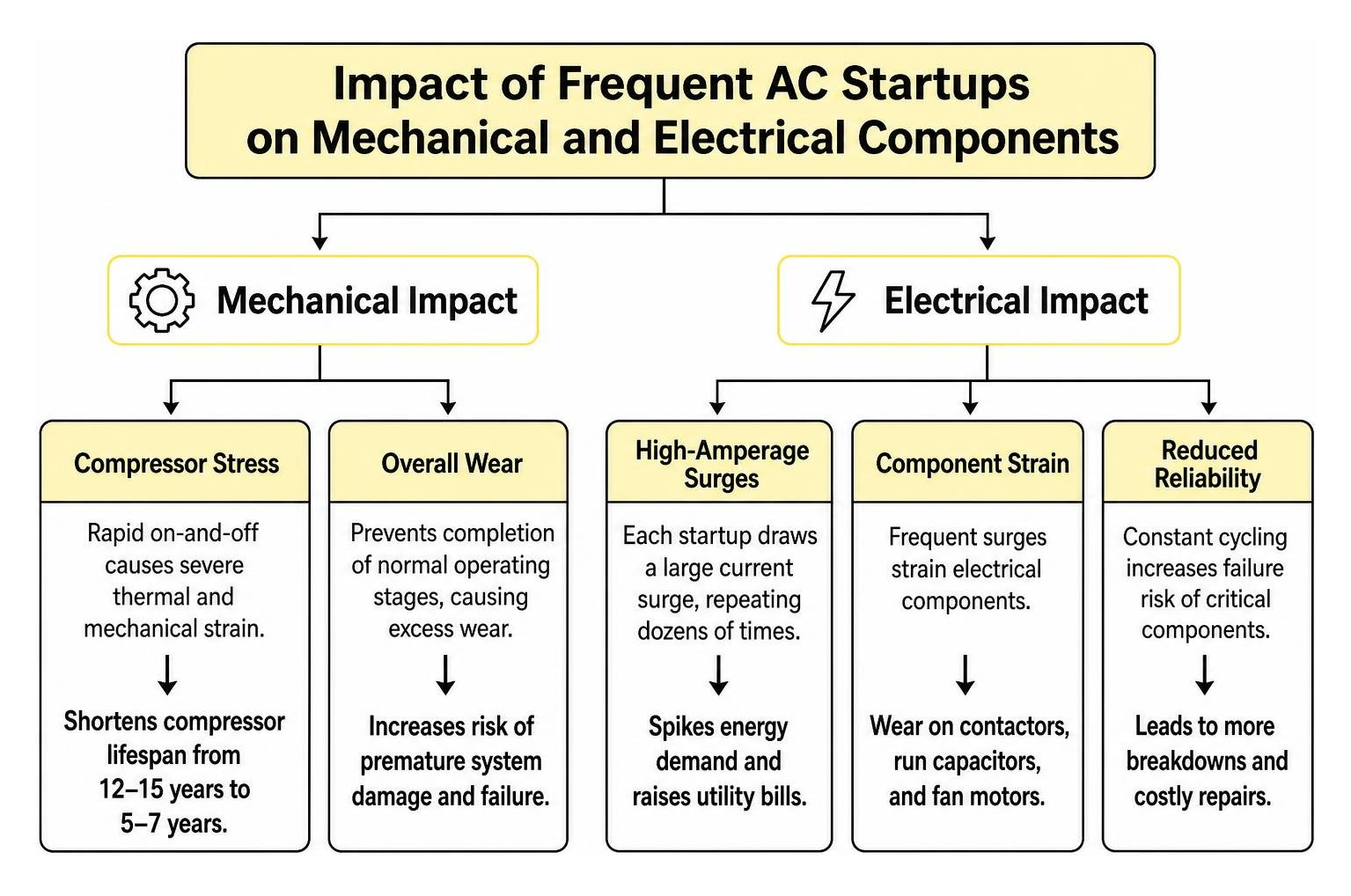
This intense cycling rapidly shortens compressor lifespan, which is normally 12 to 15 years, potentially cutting it down to just 5 to 7 years. Beyond the risk of premature compressor burnout, the repeated electrical surges spike utility bills and strain contactors, run capacitors, and fan motors.
Common Causes Behind Frequent Air Conditioner Cycles
Air conditioners rely on balanced airflow, precise electrical signals, and correct chemical pressures. When any single factor falls out of range, internal safety switches intervene to shut the system off before catastrophic damage occurs.
Airflow Restrictions and Dirty Filters
The single most common trigger for short cycling is a clogged air filter. When a filter becomes loaded with dust, pet hair, and debris, it chokes off the return airflow entering the air handler. Without adequate airflow passing over the evaporator coil, the refrigerant cannot absorb sufficient heat.
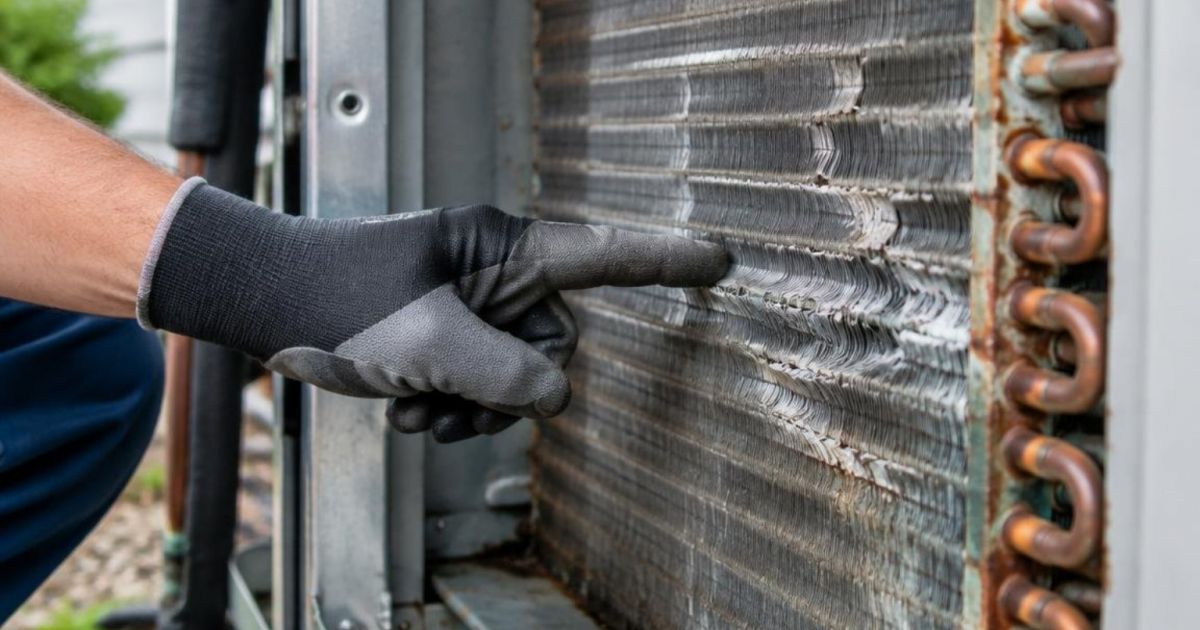
This restriction causes the coil temperature to plummet below freezing, forming a layer of ice across the fins. As ice builds, airflow drops further, tripping the safety high-limit or low-pressure switches and shutting down the cycle after just three or four minutes. Scheduling regular AC maintenance services and using filters with appropriate MERV ratings ensures that airflow remains completely unobstructed.
Thermostat Calibration and Placement Issues
Your thermostat acts as the brain of the cooling system. If it is mounted in direct sunlight, placed near an uninsulated exterior wall, or located right next to a supply register, it will register false readings.
Cold air blowing directly onto the sensor tricks the thermostat into believing the entire home has reached the desired temperature, causing it to cut power prematurely. Additionally, weak thermostat batteries, out-of-calibration internal sensors, or a malfunctioning compressor lockout delay can cause rapid erratic switching. Professional thermostat service can quickly resolve these sensor glitches and restore normal cycle intervals.
Low Refrigerant and Frozen Evaporator Coils
Air conditioning systems are closed loops that should never gain or lose refrigerant. If a pinhole leak develops in the copper tubing or coil joints, the overall system pressure drops.
When pressure falls below manufacturer specifications, an integrated low-pressure safety switch cuts power to protect the compressor from overheating. Once the system turns off, pressures equalize slightly, allowing the switch to reset and restart the cycle, which promptly trips again moments later. Operating a unit low on refrigerant can ruin the compressor, making prompt AC repair services vital to locate and seal the leak before recharging the lines.
Electrical Failures: Capacitors and Contactors
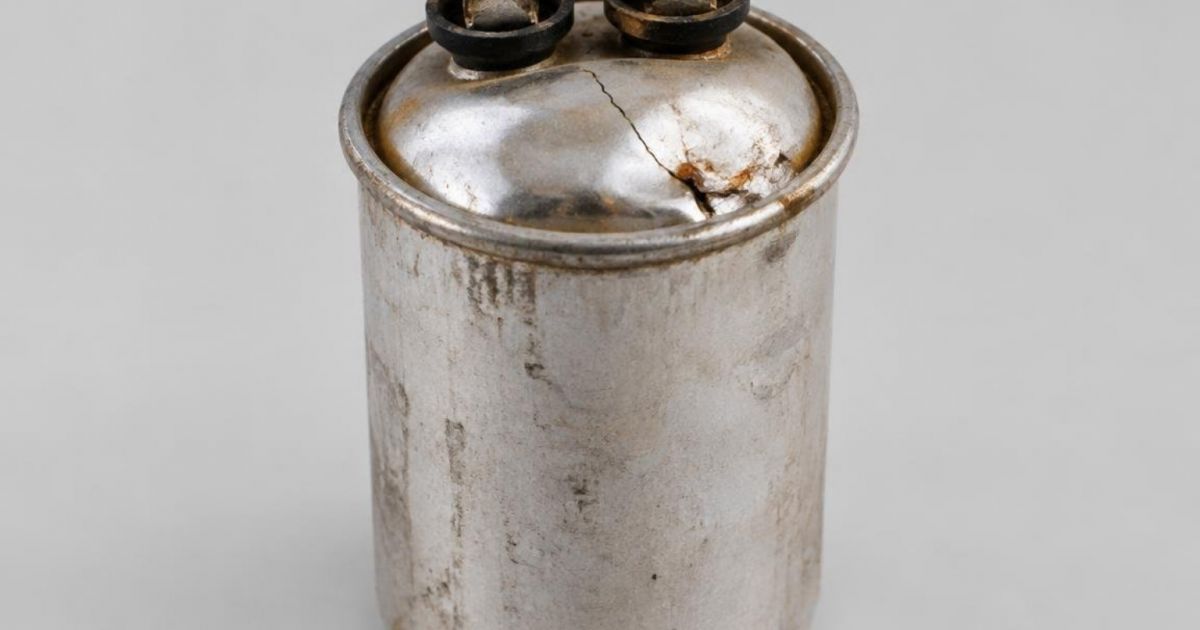
Air conditioner condenser units contain heavy-duty electrical components designed to manage high voltages. The run capacitor delivers continuous electrical stability to the compressor and fan motors, while the contactor acts as an electromechanical switch that engages cooling cycles.
Over time, summer heat and frequent electrical surges cause capacitors to bulge, leak electrolyte, or drop in capacitance rating. A weakened capacitor struggles to sustain the necessary voltage, forcing motors to overheat and trigger their thermal overload switches. Similarly, pitted or corroded contactor points can chatter and break electrical connections mid-cycle, producing sudden shutoffs and restarts.
How Oversized Units Cause AC Short Cycling
Many property owners believe that installing a larger cooling system provides faster, more powerful cooling. In the HVAC industry, however, bigger is definitely not better. Proper cooling requires calculating specific heat loads using an industry-standard Manual J calculation rather than guessing based solely on square footage. To understand how capacity affects system performance, review this guide to HVAC tonnage.
An oversized air conditioner blasts huge volumes of chilled air into the home, satisfying the thermostat in six or seven minutes. While the temperature reading drops quickly, the system shuts down long before the evaporator coil can pull latent moisture from the air. This rapid cooling leaves rooms feeling cold, clammy, and humid. For more detail on selecting the right capacity for local conditions, see these Florida home HVAC sizing principles.
Step-by-Step Troubleshooting for Homeowners
Before calling a professional technician, homeowners can perform basic visual checks to rule out simple causes.
DIY Diagnostic Checklist
Follow these safe steps to evaluate your system when rapid cycling occurs:
- Time the Run Cycle: Use a stopwatch on your phone to track how many minutes the AC runs and how long it remains off between cycles.
- Inspect the Air Filter: Pull out the filter and hold it up to a light source. If light cannot easily pass through the pleated material, replace it immediately.
- Check Supply and Return Registers: Make sure all indoor supply vents and large return air grilles are open and unobstructed by curtains, rugs, or large furniture.
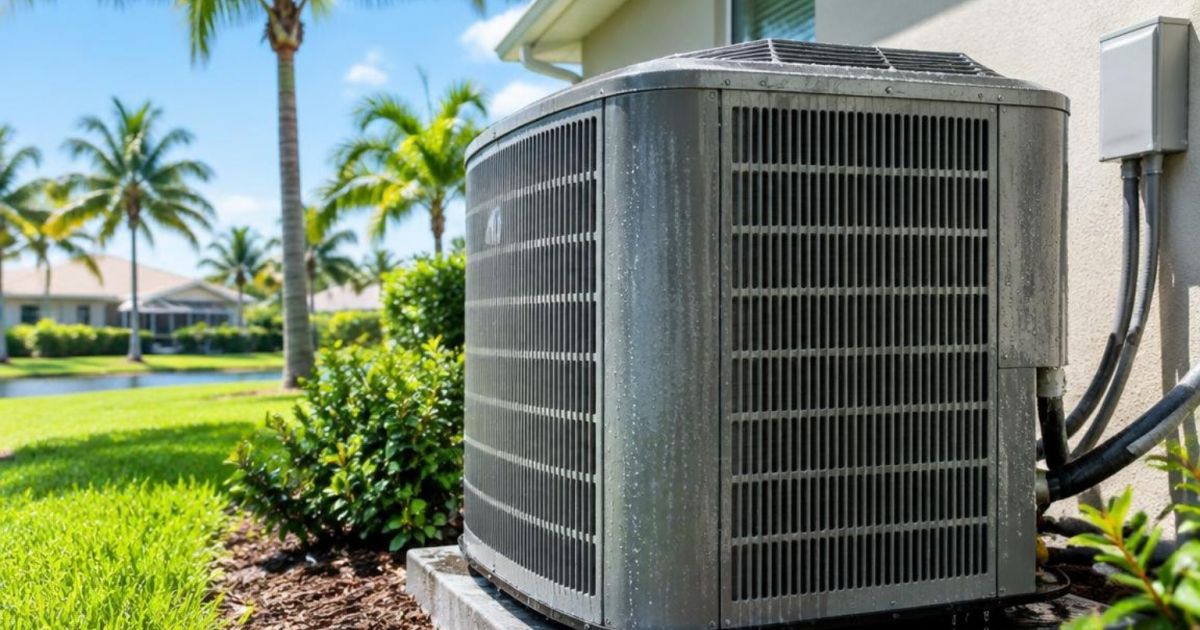
- Clear the Outdoor Condenser: Clear away leaves, grass clippings, weeds, and dirt from the outdoor unit, maintaining at least two feet of open clearance around the metal cabinet.
- Inspect Refrigerant Lines for Frost: Look closely at the insulated copper pipe connecting the outdoor and indoor units. If you spot ice or heavy frost, turn the system off immediately at the thermostat to let the ice melt naturally.
When to Call a Professional Technician
If you have replaced the air filter, cleared the registers, and your air conditioner continues to turn on and off rapidly, you should shut the system down and contact a licensed technician.
Testing low-pressure switches, checking contactor resistance with a multimeter, diagnosing refrigerant leaks, and evaluating capacitor microfarad ratings involve high voltages and pressurized chemicals. If an aging, improperly sized unit is the root cause of persistent short cycles, exploring modern high-efficiency AC replacement options can lower utility bills, restore balanced humidity, and deliver dependable cooling.
For help with the broader repair, maintenance, and replacement needs that can affect system performance, explore our complete HVAC services.
Frequently Asked Questions About Cooling System Cycles
How long should an air conditioner run during a normal cycle?
Under moderate summer conditions, a properly sized air conditioner should run for roughly 10 to 20 minutes per cycle, cycling on and off two to three times per hour. During extreme afternoon heat, the system may run continuously for longer stretches, which is completely normal and allows the equipment to maintain continuous humidity control.
Can a dirty air filter cause the AC to turn on and off rapidly?
Yes. A clogged filter severely limits airflow across the evaporator coil, causing the coil to drop below freezing. As frost and ice build up, thermal and pressure safety switches shut the system down to prevent compressor damage, often cutting cycles down to two or three minutes.
Is short cycling considered an emergency HVAC issue?
While short cycling does not immediately pose an airborne health hazard, it is an urgent mechanical problem. The high startup amperage generated during repeated cycles creates severe thermal stress that can destroy the compressor within days or weeks. If your system is tripping circuit breakers or emitting burning electrical smells, turn it off at the breaker panel and request immediate service.
Restoring Efficiency and Comfort to Your Home
Reliable air conditioning is essential for year-round comfort across Northeast Florida. Whether you have spent a sunny afternoon exploring the historic trails near the Palatka-to-St. Augustine State Trail or relaxing along the St. Johns River, coming home to a cool, properly dehumidified house makes all the difference.
When short cycling threatens your comfort, Southern Air Cooling & Heating is here to help. Backed by 43+ years of family-owned excellence and 5-star service, our certified technicians deliver thorough diagnostics and lasting solutions. We also offer priority Comfort Club maintenance plans. To schedule help for persistent short cycling, contact our professional AC repair technicians today to restore quiet operation, healthy indoor humidity, and optimal energy efficiency to your home.
Request Service
Please fill out the form below to request an estimate or schedule service.
"*" indicates required fields