Warning Signs: How to Spot a Frozen Cooling System
An AC frozen evaporator coil typically happens because of restricted airflow, such as a dirty air filter, or low refrigerant levels from a leak. If you spot ice on your indoor unit, shut off the cooling mode immediately and switch the fan to ON to begin thawing the coil safely. Recognizing the early symptoms of a frozen system can save you from severe equipment damage, high utility bills, and water damage in your home.
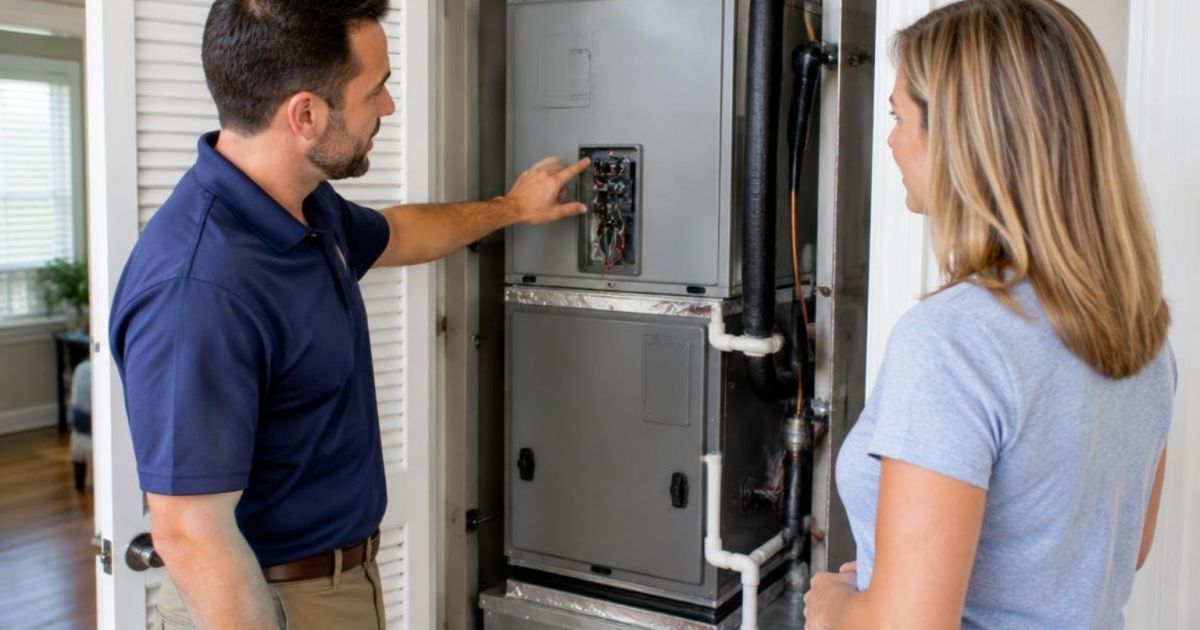
Many homeowners only notice an issue when they realize their home feels stuffy, wondering why your AC is not blowing cold air. Because the evaporator coil sits hidden inside the indoor air handler or furnace cabinet, you might not see the ice forming right away. However, several clear operational signs point directly to a frozen coil.
Warning Signs of an AC Frozen Evaporator Coil
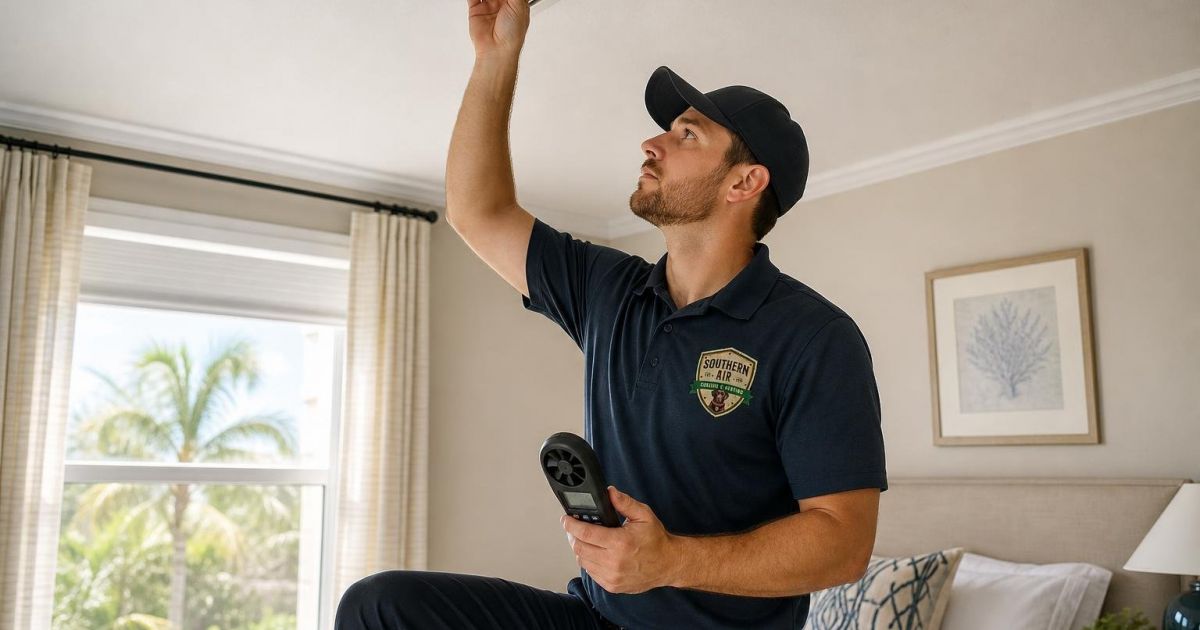
- Weak Airflow from Vents: As frost accumulates on the delicate aluminum fins of your coil, it creates a solid barrier of ice. Air cannot pass through smoothly, leading to noticeably weak airflow from your supply registers.
- Warm Air Coming from the Grilles: If you are troubleshooting why an AC blows warm air, a layer of ice prevents the refrigerant inside the tubing from absorbing heat from your indoor air. The system ends up blowing unconditioned, room-temperature air.
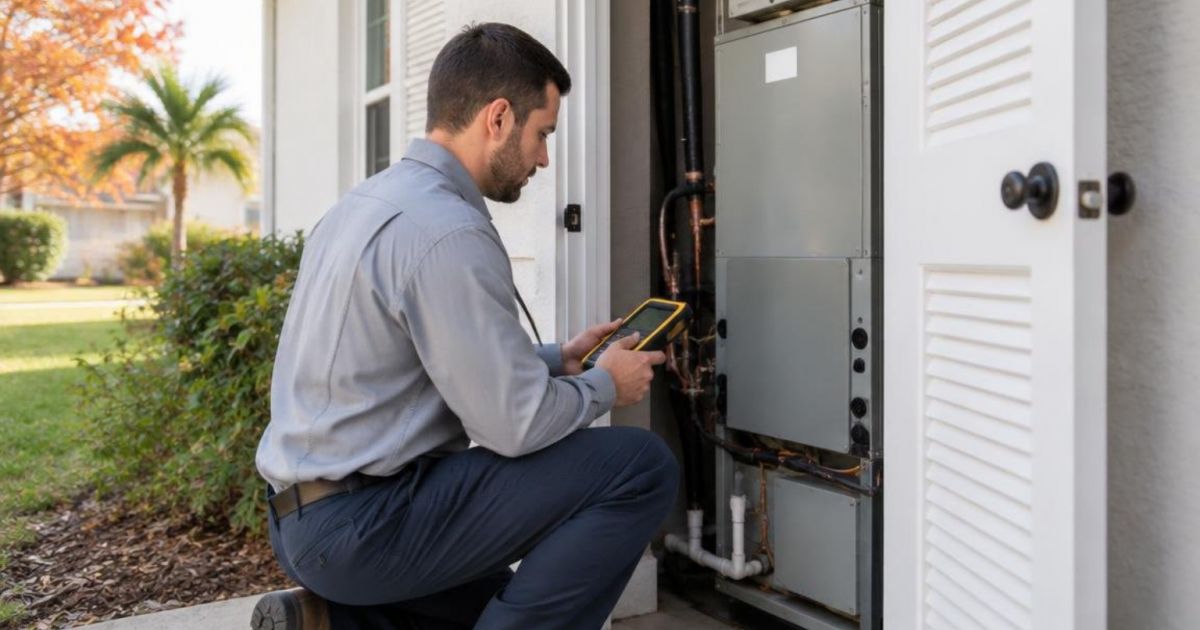
- Visible Ice on Copper Refrigerant Lines: Inspect the insulated copper line set that connects your indoor air handler to the outdoor condenser. If you notice frost or a thick layer of ice creeping along the exposed brass fittings or copper pipe, the indoor coil is almost certainly frozen solid.
- Frost on the Air Handler Cabinet: In severe cases, the outer metal casing of the indoor cabinet will feel freezing to the touch and develop surface sweat or visible frost.
- Unusual Hissing Sounds: Pinhole refrigerant leaks or severe pressure imbalances often produce a faint hissing, bubbling, or whistling noise near the indoor coil area.
- Constant System Cycling: Because the thermostat never detects that your set temperature has been reached, the system will run continuously without shutting down, causing power bills to spike.
Water Leakage and Drainage Overflow Signs
A frozen evaporator coil holds a surprising volume of frozen moisture. As normal cooling cycles pause or the system struggles, portions of the ice melt rapidly. When that happens, you might discover preventing a clogged condensate drain line is your next urgent priority.
A standard residential air conditioning coil encased in ice can release between one and two gallons of water during a complete thaw. The built-in drain pan is designed to handle steady condensation drips, not a sudden deluge of melting ice.
Water often overflows the pan edges, soaking nearby drywall, insulation, flooring, or attic decking. If your unit is equipped with a float switch, the excess water will trip the safety mechanism and shut off your AC entirely to prevent structural water damage.
Understanding the Root Causes of an AC Frozen Evaporator Coil
To understand why an AC coil freezes, it helps to look at the basic refrigeration cycle. The evaporator coil serves as the heat sponge of your cooling system. Cold, low-pressure liquid refrigerant expands inside the coil tubes, absorbing thermal energy from the warm indoor air blown across its exterior surface.
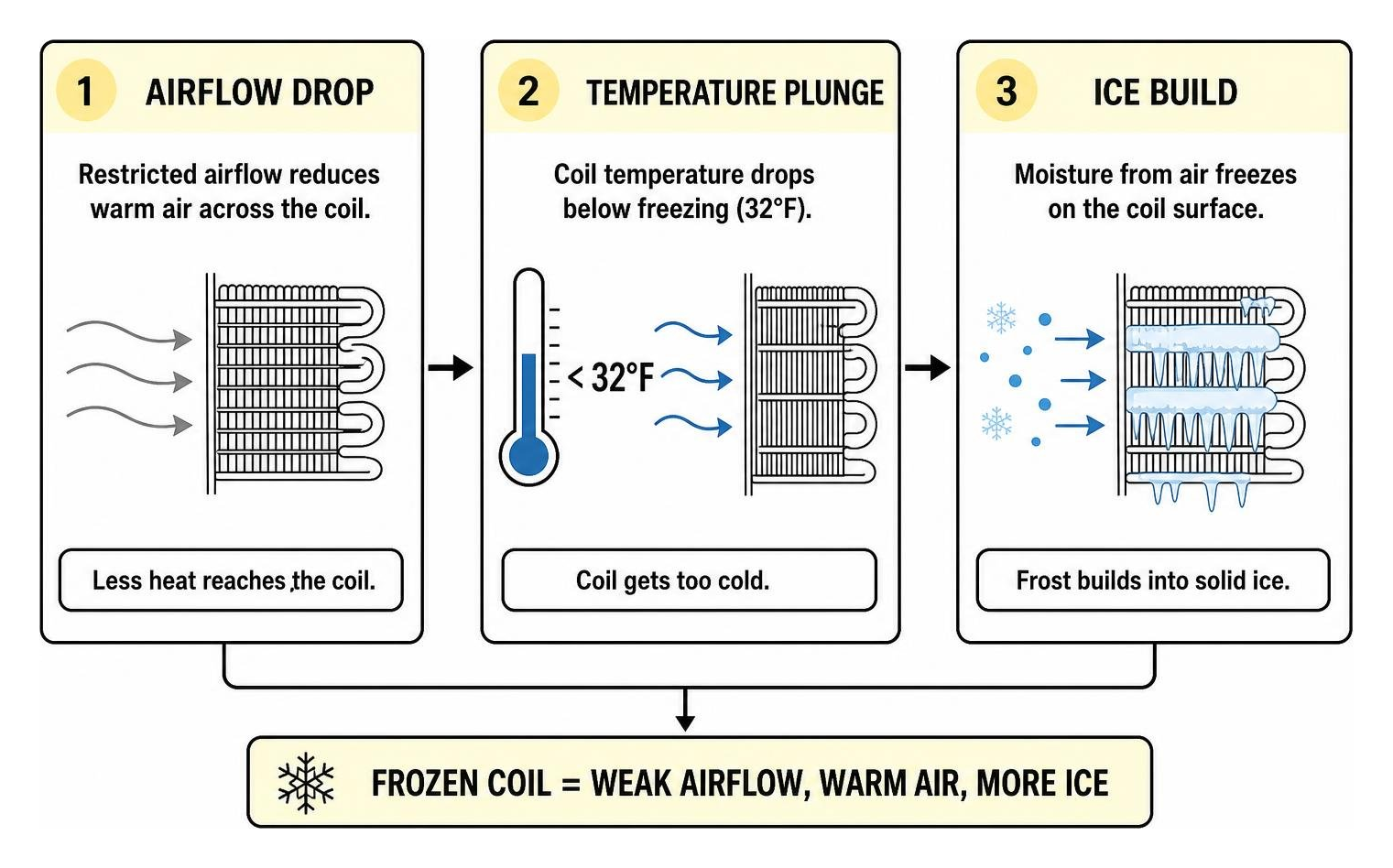
During normal operation, the temperature of this coil stays just above freezing, around 40 to 45 degrees Fahrenheit. When something interferes with heat transfer, the coil surface drops below 32 degrees Fahrenheit. Any moisture drawn out of your humid indoor air freezes instantly onto the metal fins. Layer by layer, that frost builds into a solid block of ice, requiring thorough cooling coil inspection and diagnostics to correct.
How Airflow Blockages Cause an AC Frozen Evaporator Coil
Airflow issues represent the single most common reason cooling systems freeze up. Without a continuous stream of warm air moving across the coil, there is not enough thermal energy to keep the refrigerant warm.
- Clogged Air Filters: Dust, pet dander, and debris form a thick mat across your return filter. A dirty filter chokes off system airflow, causing coil temperatures to plunge instantly.
- Incorrect Filter MERV Ratings: Using a filter with an excessively high MERV rating can restrict air circulation in older systems not designed for dense media.
- Closed or Obstructed Supply Registers: Closing vents in unused rooms increases static pressure and reduces overall cubic feet per minute (CFM) across the coil.
- Blocked Return Air Grilles: Furniture, heavy drapes, or rugs placed over return grilles starve the blower fan of air.
- Dirty Blower Wheels and Ducts: A failing blower motor or fan blades caked in dirt cannot push adequate air volume across the heat exchanger.
Low Refrigerant Levels and System Leaks
The second major cause of coil freeze-ups is low refrigerant. An air conditioner does not consume or burn through refrigerant; it operates within a completely sealed closed loop. If refrigerant levels are low, there is a leak somewhere in the system.
When refrigerant escapes, the internal pressure of the entire circuit drops. According to basic thermodynamic principles, lower pressure results in a lower boiling point and temperature. The remaining refrigerant boils at sub-freezing temperatures, causing moisture on the coil exterior to freeze instantly.
In coastal and humid climates, copper lines are especially vulnerable to formicary corrosion, which creates microscopic pinhole leaks. Under EPA Section 608 regulations, licensed technicians must locate, test, and safely seal these leaks rather than simply topping off the system.
Step-by-Step: How to Safely Thaw Your Frozen AC Unit
If you walk into your utility closet or attic and see a block of ice encasing your air handler, do not panic. Following a careful, structured thawing process ensures your equipment stays protected.
Immediate Thawing Checklist
- Step 1: Turn the Thermostat to OFF: Shut down the cooling cycle immediately. Leaving the AC running will continue pumping sub-freezing refrigerant, worsening the ice buildup and threatening the compressor.
- Step 2: Switch the Fan to ON (Not AUTO): Leaving the blower fan running pulls warm, room-temperature air through your ductwork and across the coil, melting the ice naturally and safely.
- Step 3: Remove the Air Filter: Take out the current air filter. If it is coated in dust or grime, discard it right away so airflow remains unblocked while the blower runs.
- Step 4: Prepare for Meltwater: Place clean towels, shallow pans, or plastic buckets beneath the air handler cabinet. If you have a wet/dry shop vacuum handy, keep it nearby to clear the drain pan.
- Step 5: Avoid Sharp Tools and Heat Guns: Never use ice picks, knives, screwdrivers, hair dryers, or heat guns to chip or melt the ice. The aluminum fins and copper tubing are soft and easily punctured, which can turn a simple thaw into an expensive coil replacement.
Post-Thaw System Assessment
Once the ice has completely melted, inspect the area before restarting your unit:
- Check the Condensate Line: Make sure water is flowing freely through the PVC drain line to the outside and that the drain pan is empty.
- Install a Fresh Filter: Insert a clean, properly sized air filter with an appropriate MERV rating.
- Inspect All Vents: Walk through your home and ensure all supply and return vents are fully open and clear of obstructions.
- Restart and Monitor: Switch your thermostat back to COOL and observe the system for 30 to 60 minutes. If frost begins reforming along the copper lines, shut it down immediately and call a professional.
Professional Repair Costs and Prevention Strategies
Ignoring a frozen coil or repeatedly resetting a frozen system introduces serious risks. Prompt attention can help prevent a minor airflow or drainage problem from developing into a larger equipment failure.
Typical Repair and Replacement Costs
Repairing a frozen system depends on the root mechanical or electrical failure. Replacing a dirty air filter costs very little, while complex internal refrigeration repairs require professional tools, specialized parts, and certified labor.
| Issue | Typical Service Required | Complexity |
|---|---|---|
| Clogged Air Filter | Homeowner replacement or basic check | Simple DIY |
| Blocked Drain Line | Vacuum clearing, line flush, safety switch check | Minor Professional Repair |
| Failing Blower Motor | Capacitor replacement, motor rebuild, or motor swap | Moderate Professional Repair |
| Refrigerant Leak | Nitrogen pressure test, electronic leak detection, brazing, recharging | Advanced Technical Service |
| Severely Damaged Coil | Complete evaporator coil replacement and system evacuation | Major System Overhaul |
If your system keeps freezing, understanding the risks of putting off AC repair services can help you recognize when a recurring problem needs prompt attention rather than another restart.
When the ice returns after the unit has fully thawed, professional AC repair services can identify airflow restrictions, refrigerant leaks, blower problems, or drainage issues that need a lasting fix.
Long-Term Prevention with Routine Maintenance
The easiest way to avoid frozen coils is through proactive care. Regular AC maintenance helps keep airflow components, coil surfaces, condensate drainage, and refrigerant performance in better working order during peak summer weather.
For additional seasonal guidance, how to maintain your AC unit during Florida’s hottest months explains practical ways to support dependable cooling between professional visits.
- Replace Filters Regularly: Check your filters every 30 to 60 days, especially if you have indoor pets or live in a dusty area.
- Schedule Annual Tune-Ups: A professional technician will measure static duct pressure, clean the coil surfaces with specialized foaming agents, test motor amperage, and verify subcooling and superheat levels.
- Keep Condensate Lines Clean: Regularly flush your drain lines to stop algae, mold, and sediment from backing up into the pan.
- Maintain Clear Air Pathways: Keep at least two feet of clearance around indoor return grilles and outdoor condenser units.
Frequently Asked Questions About Frozen AC Coils
How long does it take for a frozen evaporator coil to completely thaw?
A frozen evaporator coil generally takes between 2 and 24 hours to thaw completely. The exact duration depends on how thick the ice buildup is, the ambient temperature around your indoor air handler, and whether you run the blower fan continuously.
An air handler located in a warm attic with the fan set to ON may thaw in just a few hours, whereas a heavily encased system in an indoor closet can take up to a full day.
Can running an AC with a frozen coil ruin the compressor?
Yes, running an air conditioner with a frozen coil can cause permanent compressor damage. When an evaporator coil is covered in ice, the refrigerant passing through it cannot absorb heat and cannot fully vaporize into a gas.
This leads to liquid refrigerant floodback, where liquid refrigerant enters the compressor cylinder. Because liquids cannot be compressed, this can destroy internal valves, wash away essential lubricating oil, and cause total mechanical failure.
Is a dirty air filter the most common reason an AC coil freezes?
A dirty, clogged air filter is the most common reason evaporator coils freeze. When dust and debris restrict the volume of air flowing across the coil fins, the heat exchange process stalls.
Without sufficient heat from your home’s air, the refrigerant temperature drops below the freezing mark, causing condensation on the coil to turn to frost and eventually form a thick layer of ice.
Conclusion
An AC frozen evaporator coil is a clear signal that your cooling system needs attention. Whether caused by restricted airflow, a clogged air filter, or an underlying refrigerant leak, taking immediate action can help prevent expensive compressor damage. Turn your thermostat off, set the fan to ON, let the ice thaw safely, and inspect your filters and vents.
At Southern Air Cooling & Heating, our family-owned team brings more than 43 years of dedicated service to homeowners across Palatka, Crescent City, St. Augustine, and surrounding communities. Through our Comfort Club maintenance plans, attentive customer care, and experienced HVAC service, our team helps keep local homes comfortable through the hottest months.
If your air conditioner has ice buildup, unusual noises, or weak airflow, do not wait for the problem to escalate. Contact our professional AC repair technicians to schedule service and restore dependable home cooling.
Request Service
Please fill out the form below to request an estimate or schedule service.
"*" indicates required fields