What Causes Uneven Temperatures Between Rooms
Uneven temperatures between rooms can make a home feel uncomfortable during both cool nights and hot afternoons. Start with safe airflow and thermostat checks because small restrictions can make one area feel different from the rest of the home. A dirty filter, blocked vent, covered return grille, or thermostat setting may be the cause. However, if those checks do not help, a disconnected duct or airflow imbalance may need professional attention.
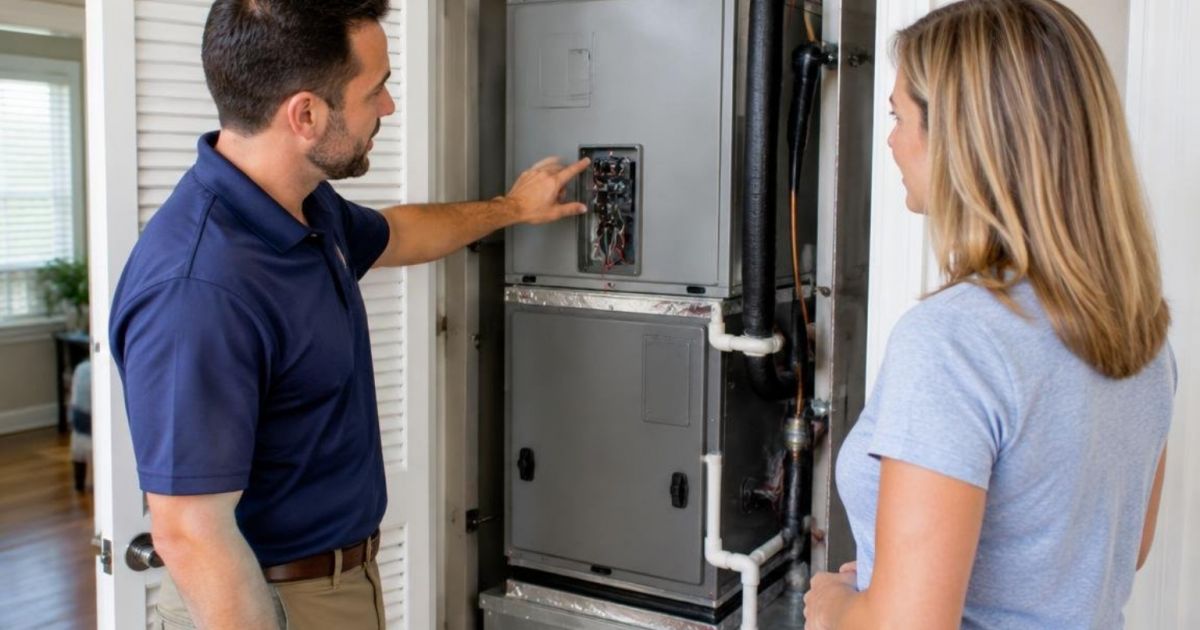
Any work involving electrical wiring, refrigerant, gas lines, duct interiors, dampers, or sealed components must be handled by a licensed technician. These systems require specialized training and should not be opened or adjusted during homeowner troubleshooting. Instead, record the symptoms and share them with the technician during a service visit.
Why Some Rooms Feel Hotter or Colder
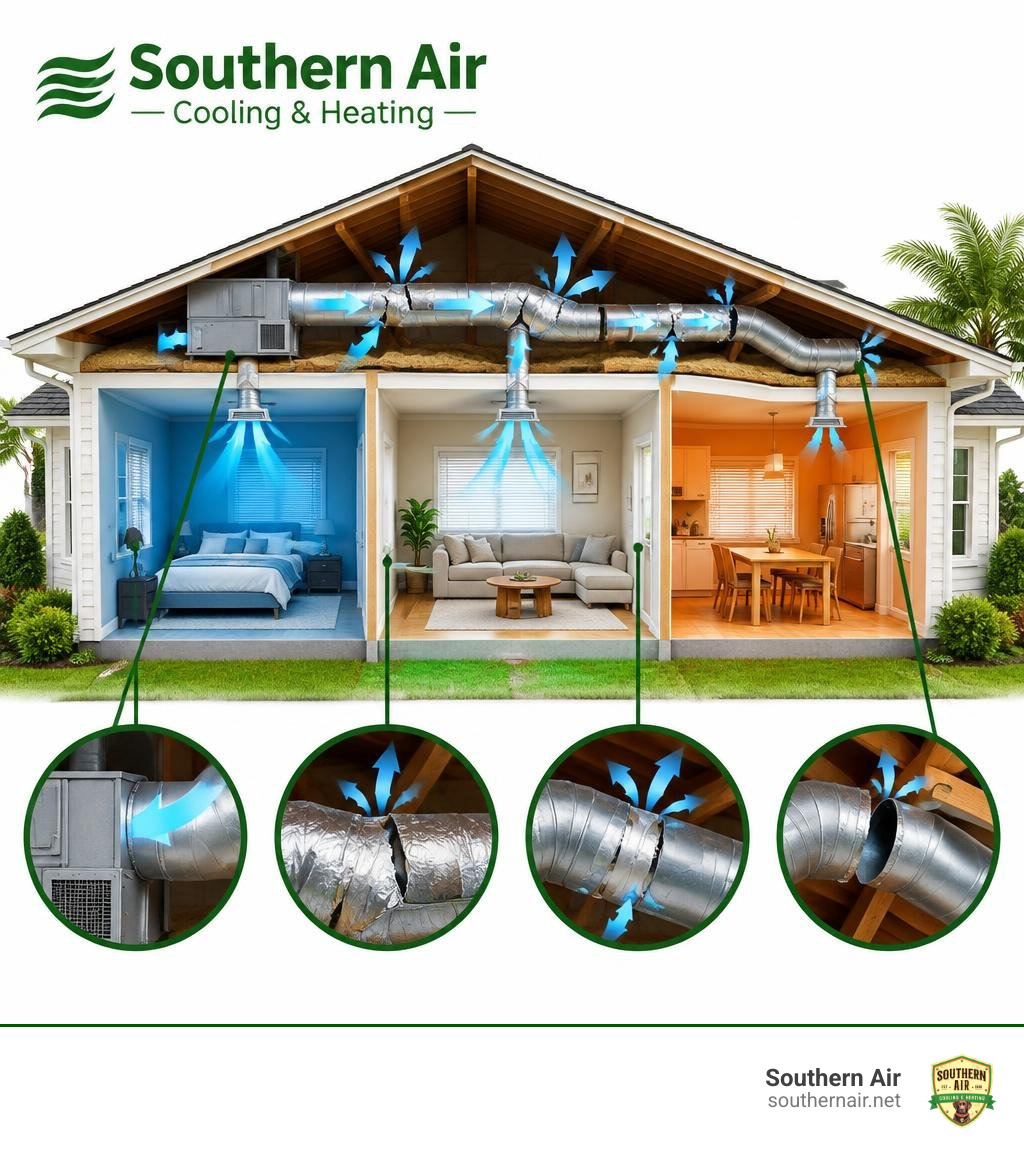
Uneven temperatures between rooms can occur when conditioned air does not reach every room evenly. The thermostat may also respond to conditions in only one part of the house. Seasonal changes make differences more noticeable, especially upstairs or in rooms far from HVAC equipment. As a result, a hallway may reach the set temperature before another room feels comfortable.
| Issue Type | Primary Cause | Typical Symptoms | Best Next Step |
|---|---|---|---|
| Restricted airflow | Dirty filter, blocked vents, or blocked returns | Weak airflow or stuffy rooms | Complete safe airflow checks |
| Duct problems | Leaks or disconnected duct runs | Distant rooms receive less conditioned air | Schedule ductwork services |
| Thermostat control | Thermostat location or settings do not reflect occupied rooms | One area reaches the set temperature first | Review thermostat settings and placement |
| Heat exposure | Strong sun in a room | A sunny room feels warmer during the day | Close curtains or shades when sunlight is strongest |
Duct Leaks and Disconnected Runs
Duct leaks, loose connections, and disconnected runs can keep heated or cooled air from reaching the rooms that need it. ENERGY STAR guidance lists rooms that are difficult to heat or cool and stuffy rooms that never feel comfortable. It also flags ducts in attics, crawlspaces, or garages, plus tangled or kinked flexible ducts. Homeowners can review ductwork warning signs, but our technician should handle interior duct repairs.
Seasonal Heat and Cold Differences
Warm air naturally rises, so upper rooms may feel warmer during cooling season and cooler areas can stand out during the first cool nights of the year. Sunlight through large windows can also warm one room more quickly than another. Because of this, closing curtains or shades is a useful safe check before calling for service. It can also help show whether direct sun is contributing to the temperature difference.
Safe Checks You Can Do
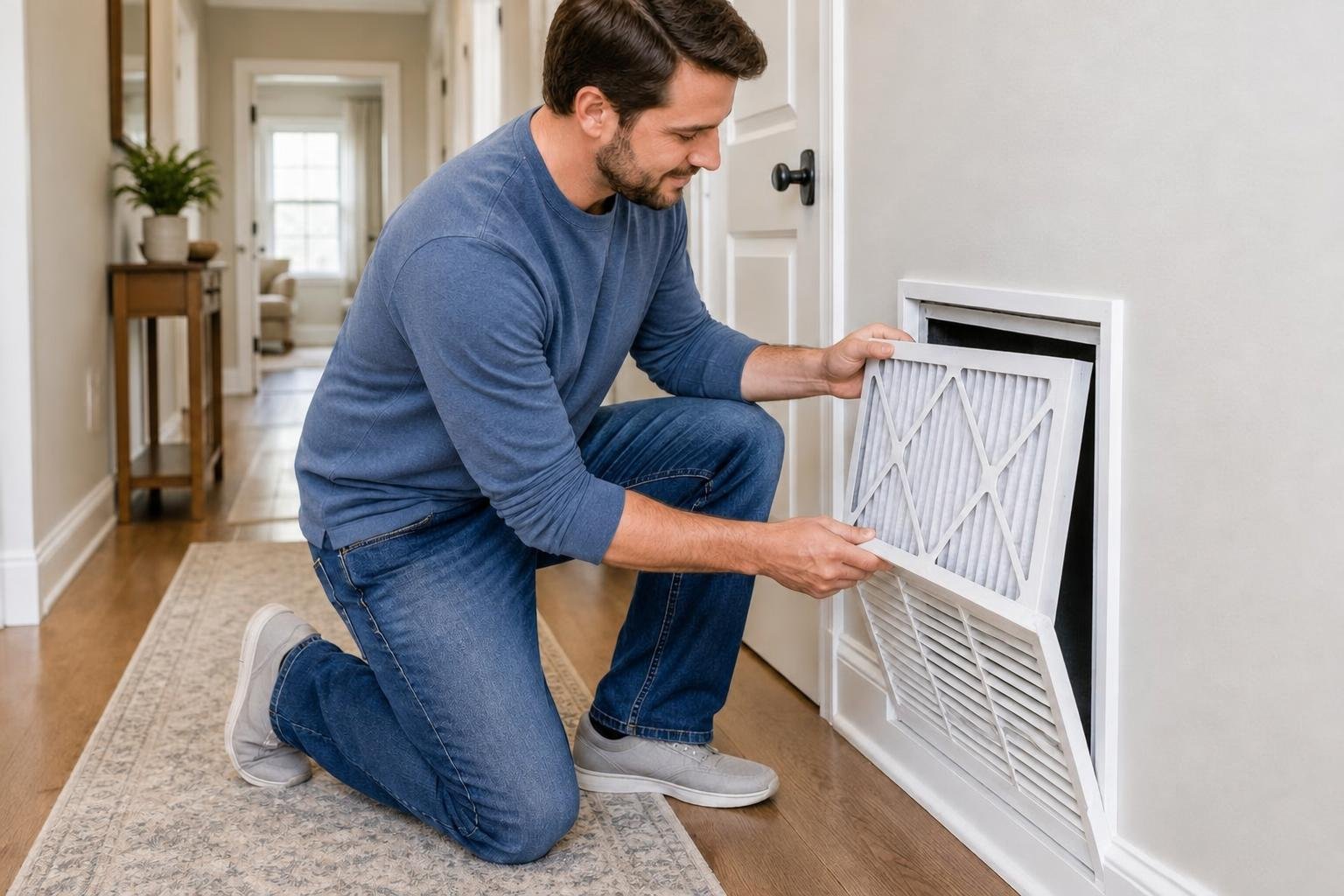
These safe checks can help narrow down why one room feels warmer or cooler than the rest. Begin with areas that are easy to see and reach inside the home. However, work inside ducts or equipment should be left to our technician.
Check the Filter, Vents, and Returns
Replace a dirty filter using the schedule recommended for the filter and your HVAC system. Also, make sure supply vents and return grilles are open, clear of furniture and drapes, and free of dust or pet hair that could reduce airflow. Restricted airflow can make a distant room feel less comfortable. If the problem continues after these checks, note which rooms are affected for the technician.
Review Thermostat Location and Settings
Confirm that the thermostat is set to the right heating or cooling mode and that its schedule matches when the home is occupied. A thermostat in a hallway may not reflect the temperature in a distant bedroom, addition, or sunny room. Because its location affects what it measures, compare the thermostat reading with the rooms that feel uncomfortable. Then share those differences with the technician if service is needed.
Close Curtains or Shades in Sunny Rooms
Close curtains or shades when direct sun makes a room noticeably warmer than the rest of the home. This can reduce the difference while the cooling system is running. It can also help identify whether sunlight is contributing to the problem. However, if the room remains uncomfortable after the sun is blocked, another HVAC or ductwork issue may be involved.
Check Door Weatherstripping
Look for worn or loose weatherstripping around exterior doors. Replacing damaged door weatherstripping is a safe homeowner task that can limit drafts during cooler weather. Also, check whether the door closes tightly against the frame. If drafts continue after the weatherstripping is replaced, mention them during a service visit.
Fixes Our Technician Handles
When safe checks do not improve comfort, our technician can identify and repair the underlying HVAC issue. Work inside ducts, equipment, or controls should be left to our technician. In addition, our technician can determine whether several small symptoms point to one larger airflow or control problem.
Duct Sealing and Repair
Our technician seals duct leaks, reconnects loose runs, and repairs damaged ductwork so more conditioned air reaches the intended rooms. This work can help restore airflow when a hidden duct problem is affecting comfort. For more detail on this work, see our duct sealing guide. A technician can also determine whether the ductwork needs repair before recommending the next step.
Damper Balancing and Equipment Sizing
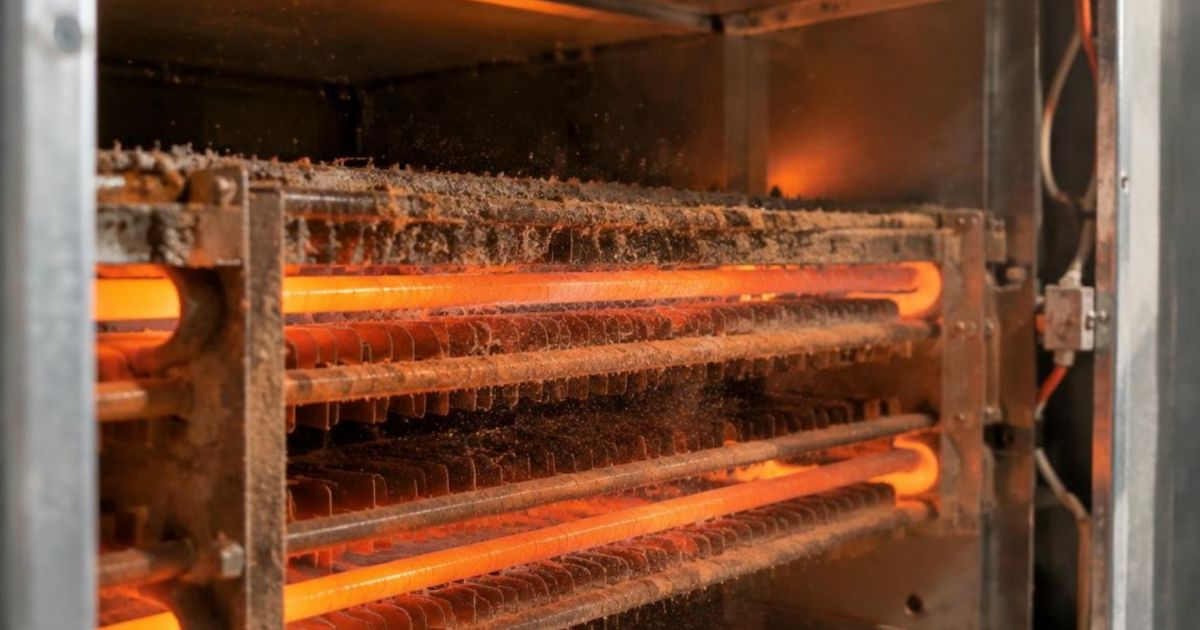
Our technician can check balancing dampers and airflow to help distribute heating and cooling more evenly. The ENERGY STAR maintenance checklist notes that airflow problems can reduce a system’s efficiency by up to 15 percent, so our technician also cleans and adjusts blower components during service. If equipment sizing is part of the concern, a service visit can determine whether the system is meeting the home’s needs. In addition, the technician can recommend whether heater repair is appropriate for a heating problem. This evaluation keeps homeowners from making adjustments inside the system themselves.
Zoning and Smart Thermostats
Zoning and room sensors can give different areas of the home more responsive temperature control. They are especially useful when the thermostat needs to account for conditions beyond a central hallway. Our technician can recommend thermostat services when smart controls or room sensors may help. However, controls do not replace repair when duct leaks or disconnected runs are the source of the problem.
Ductless Mini-Splits for Additions
A ductless mini-split can provide independent heating and cooling for an addition or another space that is difficult for the central system to serve. This can give that area its own temperature control without extending existing ductwork. Explore our ductless mini-splits service for this option. Our technician can help determine whether it fits the space and the home’s existing HVAC setup.
When to Call a Technician
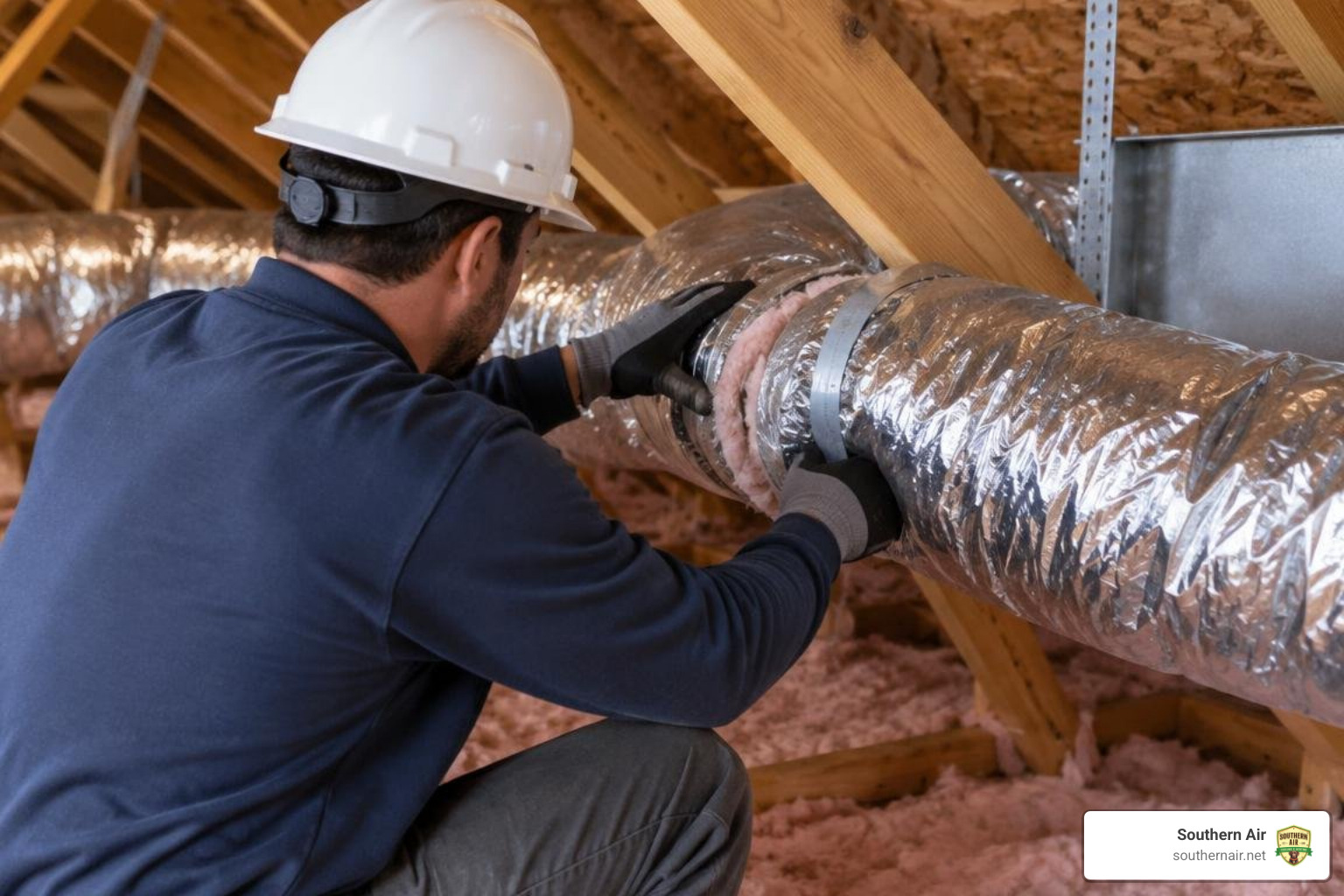
When safe troubleshooting does not resolve hot and cold spots, our technician can identify HVAC and ductwork problems that are not visible from the room. This may include problems with duct connections, airflow distribution, thermostat controls, or system operation. Because these issues can overlap, a professional evaluation can help identify the actual cause. It also keeps homeowners from attempting work inside equipment or ductwork.
A Recent Service Call in Interlachen
In a newer Interlachen home, one area remained colder than the rest of the house. A Southern Air Cooling & Heating technician traced the comfort problem to a duct that had come apart behind a wall, stopping conditioned air from reaching that section. Reconnecting the duct restored equal temperatures in the rooms. Hidden duct problems can cause uneven comfort.
Another Recent Service Call in Keystone Heights
A Keystone Heights family noticed one side of their home never reached a comfortable temperature. Our technician found the aging heater was undersized for a home addition built years earlier, which left that area unable to reach the set temperature. We sized and installed a properly matched replacement system, and every room reached the set temperature evenly. The right equipment size can help the whole home maintain more even comfort.
Common Questions About Room Temperature Problems
Why is one room always colder than the rest of the house?
A cold room can be caused by restricted airflow, a disconnected supply duct, or more exposure to outdoor temperatures. If the room is farther from the air handler, it may not receive conditioned air as evenly as other areas. After safe vent, return, and thermostat checks are complete, a licensed technician may need to inspect the ductwork and airflow path.
Can closing vents in unused rooms lower my energy bill?
Closing supply vents can disrupt airflow and increase pressure in the duct system. Instead, keep vents and returns open and clear so the system can move air as intended. If one area still feels uncomfortable, a technician can assess the system and identify the cause.
How do smart room sensors help fix hot and cold spots?
Smart room sensors help a compatible thermostat account for conditions in occupied rooms instead of relying only on a hallway reading. As a result, they can improve temperature control in areas that need more attention. However, they will not repair duct leaks or disconnected runs.
When should I choose a ductless mini-split over HVAC zoning?
A ductless mini-split can work well for an addition or isolated space that is difficult for existing ductwork to serve. Zoning may be a better option when the central HVAC system and ductwork can support separate temperature areas. A technician can evaluate the space and recommend the approach that fits the home’s layout.
How do I know if my HVAC system is the wrong size?
A system that is not suited to the home’s heating or cooling needs may leave some rooms uncomfortable or cause frequent cycling. This concern can become more noticeable when an addition changes the demands on the system. A licensed technician can evaluate the system and recommend the next step.
Conclusion
Uneven temperatures between rooms can make heating and cooling less comfortable, but safe checks can reveal likely causes. When the issue involves ductwork, dampers, equipment operation, or other HVAC components, Southern Air Cooling & Heating can help with professional diagnosis and repair. For persistent room temperature problems, turn to Southern Air Cooling & Heating, serving Palatka and Northeast Florida since 1980. With 4.9 stars on Google, contact our team to discuss professional diagnosis and repair.
Written by Dustin Caison, Florida Certified Air Conditioning Contractor (CAC1816263), Southern Air Cooling & Heating.
Southern Air Cooling & Heating · 3849 Reid St, Palatka, FL 32177 · (386) 222-1342
Request Service
Please fill out the form below to request an estimate or schedule service.
"*" indicates required fields