Why Indoor Air Quality Matters More Than You Think
Indoor air quality describes how clean or polluted the air is inside your home, and it has a direct impact on your health, comfort, and how well you sleep, think, and breathe.
Quick answer: Here’s what you need to know about indoor air quality at a glance:
| What It Is | The air inside your home, affected by pollutants, allergens, humidity, and ventilation |
|---|---|
| Why It Matters | Poor IAQ causes respiratory illness, worsens asthma, and can lead to serious long-term health conditions |
| Who Is Most at Risk | Children, elderly adults, and people with asthma, COPD, or heart disease |
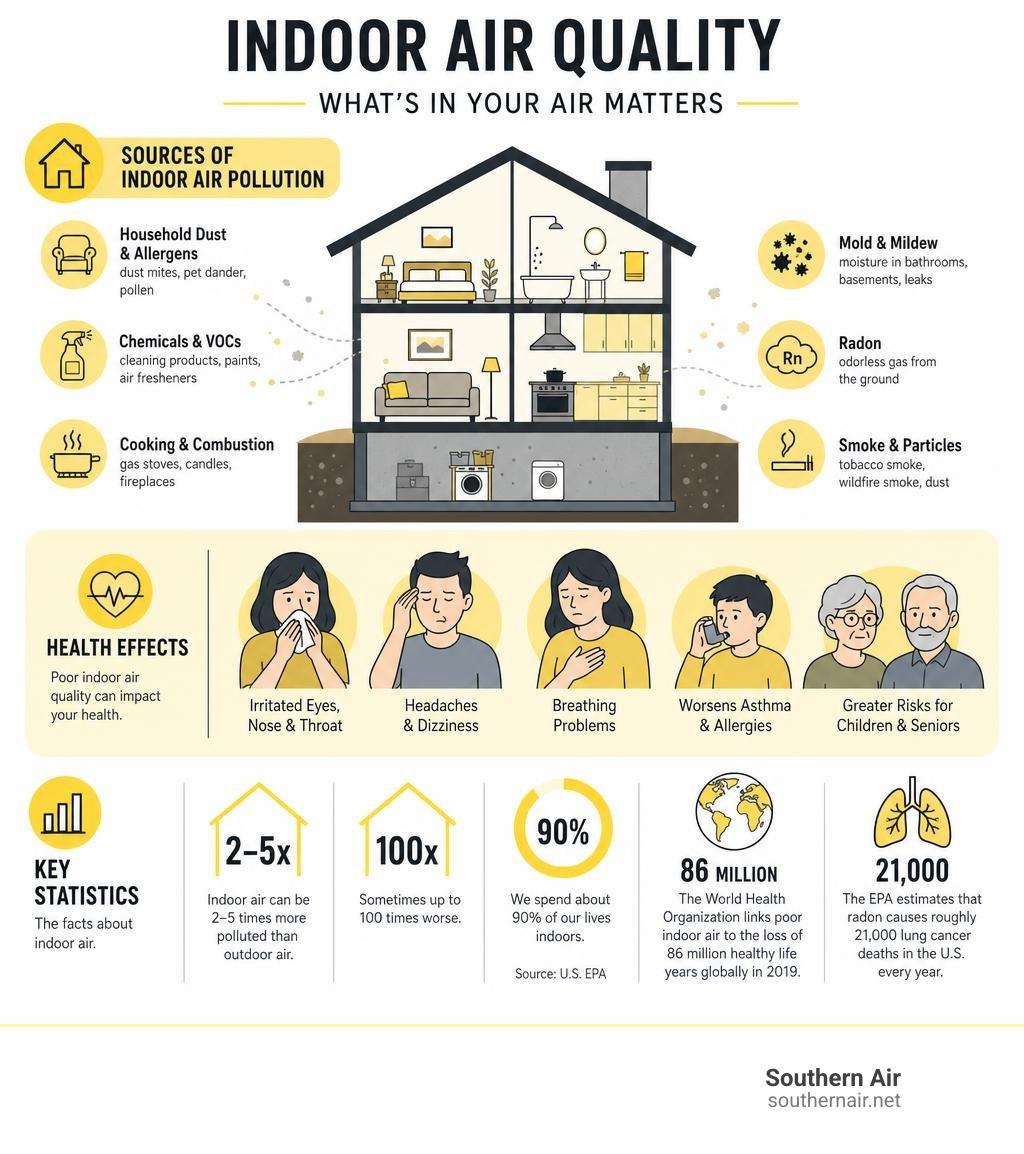
| How Polluted Is Indoor Air? | Indoor air can be 2–5 times more polluted than outdoor air, sometimes up to 100 times worse |
| How Much Time We Spend Indoors | About 90% of our lives, according to the U.S. EPA |
| Top Pollutants | Radon, mold, carbon monoxide, VOCs, particulate matter, secondhand smoke |
| How to Improve It | Source control, better ventilation, air filtration, and regular HVAC maintenance |
Most people assume outdoor smog is the bigger threat. But the air inside your home is often far more concentrated with pollutants, because it has nowhere to go.
This is especially true in Florida. Homes stay sealed tight against the heat for most of the year. That means dust, mold spores, VOCs from cleaning products, and other contaminants build up indoors with limited fresh air to dilute them.
The consequences are real. The World Health Organization links poor indoor air to the loss of 86 million healthy life years globally in 2019 alone. The EPA estimates that radon, an odorless gas that seeps through foundation cracks, causes roughly 21,000 lung cancer deaths in the U.S. every year.
You can’t fix a problem you can’t see. That’s what this guide is for.
I’m Dustin Caison, President and CEO of Southern Air Cooling & Heating, a family-owned HVAC company serving North Florida since 1980. With over two decades of hands-on experience as a State Certified Air Conditioning Contractor, indoor air quality is something I’ve seen affect real families in our region every single day. Read on, and I’ll walk you through exactly what’s in your air and what you can do about it.
Understanding Indoor Air Quality and Its Impact on Health
When we talk about indoor air quality (IAQ), we are looking at the chemical, physical, and biological characteristics of the air inside our homes, offices, and schools. Because we spend about 90% of our lives inside, the quality of this air is one of the most significant environmental factors affecting our daily well-being.
Poor IAQ does not just mean a dusty living room; it has a profound effect on our bodies. In the short term, breathing in polluted air can cause immediate discomfort. You might experience irritated eyes, nose, and throat, frequent headaches, dizziness, or localized fatigue. Many people mistake these symptoms for seasonal allergies or a lingering common cold, when the real culprit is sitting right in their ductwork or carpet.
Over the long term, the stakes are much higher. Continuous exposure to indoor pollutants is linked to serious, chronic health conditions. Fine particulate matter and airborne toxins can penetrate deep into the lungs and enter the bloodstream, contributing to cardiovascular disease, impaired lung development in children, and accelerated cognitive decline. In fact, research shows that indoor carbon dioxide ($CO_2$) levels above 1,000 parts per million (ppm), a level easily reached in a closed bedroom or office within 45 minutes, can noticeably degrade cognitive performance, decision-making, and focus. To dive deeper into how these invisible particles interact with our bodies, you can explore the scientific research on indoor air pollutants.
The Hidden Risks of Poor Indoor Air Quality
While poor air quality affects everyone, certain vulnerable populations bear the brunt of the risk. Children, elderly adults, and individuals with pre-existing conditions like asthma, chronic obstructive pulmonary disease (COPD), or cardiovascular issues are highly sensitive to even minor drops in air quality.
For children, whose lungs are still growing and who breathe in more air relative to their body weight than adults, polluted indoor air can lead to chronic respiratory issues. Early-life exposure to mold and damp environments is a known trigger for developing asthma and can increase the severity of asthma attacks.
Another major, silent threat is radon gas. Radon is a naturally occurring, radioactive gas that comes from the natural breakdown of uranium in soil and rock. It enters homes through tiny cracks in the foundation, crawl spaces, and concrete slabs. Because you cannot see, smell, or taste it, radon can accumulate to dangerous levels without anyone knowing. It is the number one cause of lung cancer among non-smokers and is responsible for an estimated 21,000 lung cancer deaths in the United States every year. Protecting your family means understanding these hidden pathways. You can learn more about why proactive action is necessary by reading about why indoor air quality should be a top priority for your family’s health.
Common Indoor Air Pollutants and Their Sources
Indoor air pollution is rarely caused by just one thing. It is typically a cocktail of different gases, chemicals, and biological agents coming from various household sources. Understanding where these pollutants originate is the first step toward reclaiming your home’s air.
- Carbon Monoxide (CO): An odorless, colorless, and highly toxic gas generated by incomplete combustion. Sources include poorly vented gas stoves, space heaters, leaking chimneys, or idling vehicles in attached garages.
- Volatile Organic Compounds (VOCs): These are organic chemicals that evaporate easily at room temperature. They are emitted by household items like paints, varnishes, aerosol sprays, air fresheners, stored fuels, and dry-cleaned clothing.
- Formaldehyde: A specific, highly common VOC used in the manufacturing of composite wood products (such as plywood, particleboard, and medium-density fiberboard), glues, and certain fabrics. It is a known human carcinogen.
- Mold Spores: Biological agents that thrive in high-moisture environments. Mold releases microscopic spores into the air, which can cause severe allergic reactions, coughing, and wheezing.
- Asbestos: A mineral fiber used in older building materials for insulation and fireproofing. If these materials are disturbed during remodeling or decay, microscopic asbestos fibers can be inhaled, leading to lung scarring and mesothelioma decades down the road.
- Secondhand and Thirdhand Smoke: Tobacco and vape emissions release thousands of harmful chemicals. Even after the smoke clears, “thirdhand smoke” residues settle on furniture, carpets, and walls, reacting with other indoor chemicals to create new, long-lasting toxins.
| Pollutant | Primary Indoor Sources | Potential Health Effects |
|---|---|---|
| Carbon Monoxide (CO) | Gas stoves, space heaters, blocked chimneys | Headaches, dizziness, confusion, fatal poisoning |
| Volatile Organic Compounds (VOCs) | Paints, cleaning chemicals, air fresheners | Eye and throat irritation, headaches, organ damage |
| Formaldehyde | Composite wood furniture, glues, carpets | Respiratory irritation, increased cancer risk |
| Mold Spores | Damp areas, water leaks, high humidity | Allergic reactions, asthma attacks, coughing |
| Asbestos | Older insulation, textured paints, floor tiles | Lung scarring (asbestosis), mesothelioma |
| Particulate Matter ($PM_{2.5}$) | Cooking, burning candles, fireplaces | Reduced lung function, cardiovascular stress |
How Indoor Air Compares to Outdoor Air
It is a common misconception that staying indoors shields us from air pollution. In reality, the concentration of many pollutants can be 2 to 5 times higher indoors than outdoors. In poorly ventilated, tightly sealed environments, indoor pollutant levels can skyrocket to 100 times higher than outdoor levels.
Why does this happen? The answer lies in modern building practices. To save energy and lower utility bills, modern homes are built to be incredibly airtight. While this is great for keeping your cool air conditioned spaces comfortable, it drastically reduces natural ventilation rates. Without a consistent exchange of indoor air for fresh outdoor air, pollutants from cooking, cleaning, and off-gassing furniture become trapped inside.
This creates a delicate balancing act between energy efficiency and respiratory health. To maintain a healthy environment, we must actively manage how our homes breathe. For a detailed breakdown of how indoor and outdoor air quality standards compare, refer to the EPA’s information on indoor air exposure and standards.
The Impact of Florida Humidity and Climate
In North Florida, from Palatka and East Palatka to Green Cove Springs and Fleming Island, our unique climate plays a massive role in our indoor air quality. With hot, humid summers and mild, damp winters, our air conditioning systems are running almost year-round.
When outdoor humidity levels climb, our homes become susceptible to moisture intrusion. If indoor relative humidity rises above 60%, it creates the perfect breeding ground for mold, mildew, and dust mites. Mold does not just grow on visible bathroom tile; it can quietly colonize inside wall cavities, under carpets, and even inside your air conditioning ductwork.
Because we keep our windows shut tight against the Florida heat, our air conditioners are responsible for both cooling and dehumidifying our living spaces. If an AC system is oversized, poorly maintained, or has leaky ductwork, it won’t run long enough to pull moisture out of the air. This leaves the home feeling damp and muggy, accelerating pollutant buildup.
Our local geographic challenges are well-documented. Areas along the St. Johns River, like Crescent City, Georgetown, and Welaka, experience high localized humidity that can rapidly degrade indoor conditions. You can read more about this regional phenomenon in our article on why indoor air quality drops faster in Florida homes than you think. To keep tabs on local environmental regulations and health guidelines, check out the Florida Department of Health air quality guidelines.
Practical Strategies to Improve Your Home’s Air
Reclaiming your indoor air does not require a complete lifestyle overhaul. The most effective approach relies on three fundamental pillars: Source Control, Ventilation, and Air Filtration/Purification.
By systematically addressing these three areas, you can dramatically lower pollutant levels and breathe easier. If you are ready to take a comprehensive look at your home’s health, explore how we can help with our specialized enhance your home’s health with indoor air quality services.
How to Test and Monitor Your Indoor Air Quality
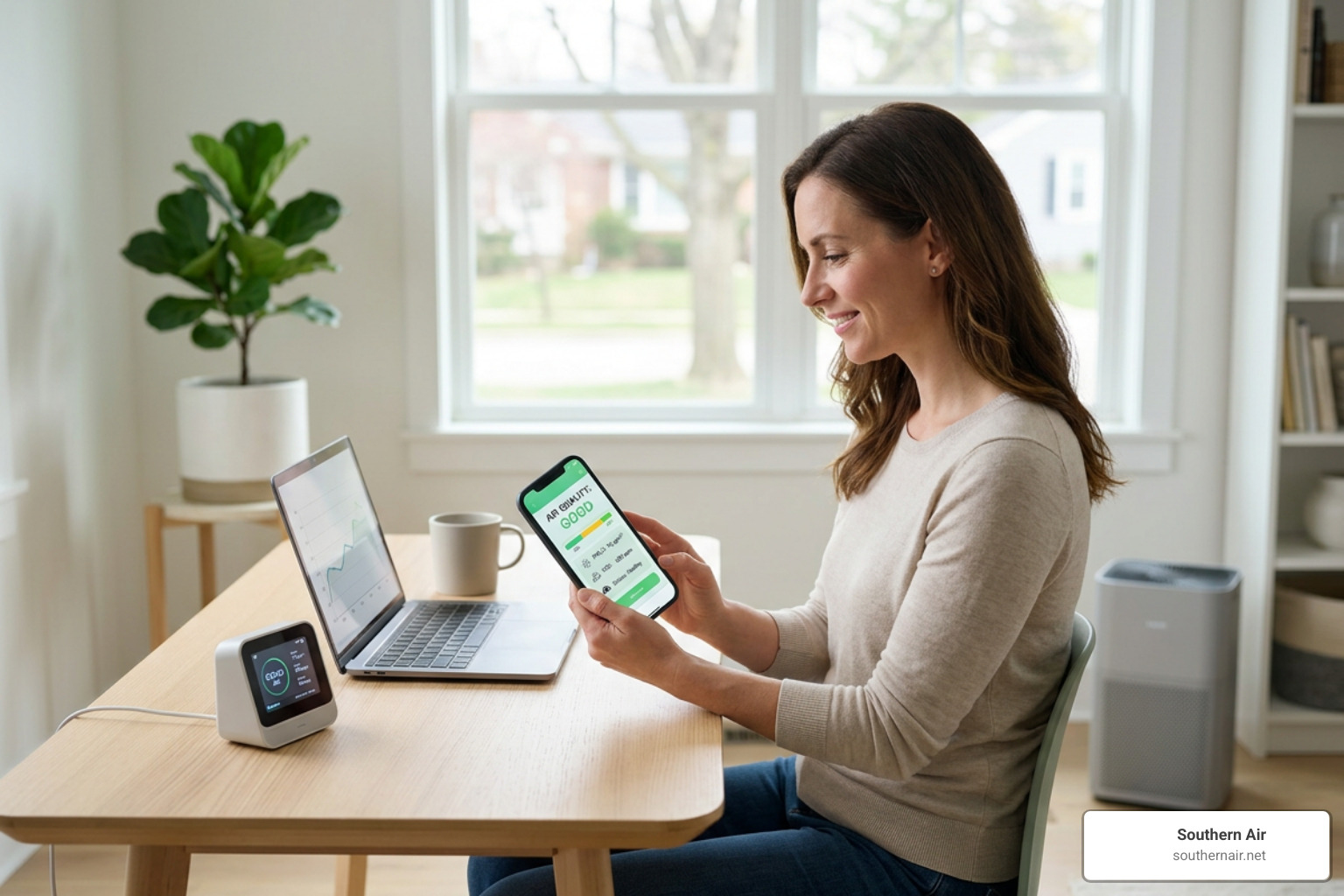
Before you can fix your air, you need to know what is actually in it. Today, monitoring your home’s air is easier than ever thanks to smart indoor air quality monitors. These devices track real-time levels of $PM_{2.5}$ (fine dust), VOCs, $CO_2$, humidity, and temperature.
- Calibration is Key: When you first set up an air monitor, keep in mind that its sensors require time to adjust. VOC and $CO_2$ sensors typically take about a week to calibrate, while continuous radon monitors can take up to 30 days to provide highly accurate baseline readings.
- Placement Matters: Place your monitor at breathing height in the rooms where you spend the most time, such as your living room or bedroom. Keep it away from direct drafts, open windows, or excessively humid spots like the bathroom.
- Professional Assessment: While consumer monitors are great for tracking daily trends, they have limitations. Professional testing services can identify specific biological contaminants like mold strains, lead, or asbestos fibers.
For expert medical context on how tracking these pollutants protects your body, refer to the Cleveland Clinic guide on indoor air.
Source Control and Ventilation
The absolute most effective and cost-efficient way to improve your air is source control, eliminating individual sources of pollution or reducing their emissions.
- Switch to Low-VOC Products: When painting, remodeling, or buying furniture, look for “Low-VOC” or “Zero-VOC” labels. Opt for solid wood furniture over composite wood products when possible to minimize formaldehyde exposure.
- Ditch the Synthetic Scents: Limit the use of chemical air fresheners, aerosol sprays, and paraffin-based scented candles, which release soot and VOCs.
- Clean Smart: Use simple cleaning solutions like baking soda and vinegar, or choose cleaning products certified by environmental standards.
- Boost Ventilation: Since modern homes are tightly sealed, we must introduce fresh air intentionally. Always run local exhaust fans in the kitchen while cooking (especially on gas stoves) and in the bathroom during and after showers.
- Utilize Mechanical Ventilation: In well-insulated Florida homes, advanced solutions like Energy Recovery Ventilators (ERVs) can pull in fresh outdoor air, pre-cool and dehumidify it, and exhaust stale indoor air without wasting energy.
For further reading on how to balance air exchange and source control, see the EPA guide on improving indoor air.
Advanced Air Filtration and Purification
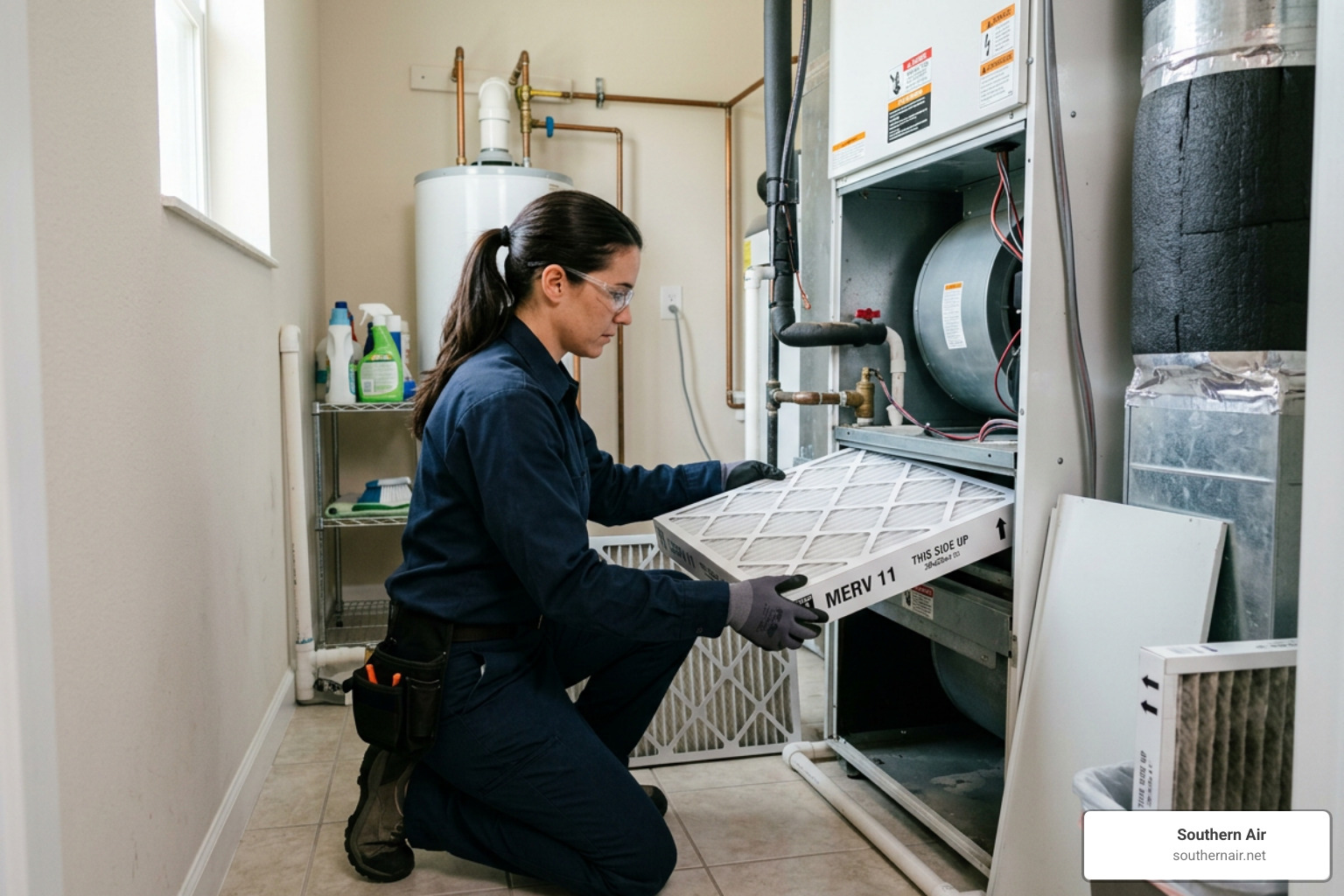
When source control and ventilation aren’t enough, advanced air filtration steps in to capture the remaining airborne particles. Your standard, one-inch fiberglass HVAC filter is designed to protect your air conditioner’s internal components from large dust bunnies, it does very little to clean the air you breathe.
To trap microscopic allergens, you need high-efficiency filtration. Upgrading to a pleated filter with a higher Minimum Efficiency Reporting Value (MERV) rating, ideally between MERV 11 and MERV 13, allows your system to capture pet dander, mold spores, and fine dust.
For the ultimate level of clean, consider integrating whole-home air purifiers or electronic air cleaners directly into your HVAC system. These systems work continuously to scrub the air as it circulates through your home.
- HEPA Filters: High-Efficiency Particulate Air (HEPA) filters are the gold standard, capable of removing 99.97% of airborne particles as small as 0.3 microns, including bacteria and viruses.
- Electronic Air Cleaners: These systems place an electric charge on incoming particles, trapping them on oppositely charged collector plates or making them clump together so they can be easily caught by a media filter.
To understand why this is a game-changer for homeowners in our area, read about what makes air filtration essential in Palatka, FL. You can also learn how these systems work in tandem with your central air unit by checking out how air purifiers improve your home’s air quality and how to take control of your indoor air quality this fall with an electronic air cleaner.
Frequently Asked Questions About Home Air Quality
What are the first signs of poor air quality in a home?
The first signs usually manifest as physical symptoms or subtle environmental clues. If you notice that your allergy symptoms, sneezing, or dry throat improve when you leave the house but flare up when you return, your indoor air is likely contaminated. Other clear warning signs include lingering cooking or pet odors that won’t go away, rapid dust buildup on furniture shortly after cleaning, and condensation on your windows, which indicates high indoor humidity and potential mold growth.
Do indoor plants actually improve air quality?
While a famous NASA study from the 1980s showed that plants can absorb certain VOCs in sealed laboratory chambers, real-world application is very different. In a typical home, the rate of air exchange through natural ventilation and your HVAC system completely overrides the incredibly slow rate at which plants filter air. You would need to turn your living room into a dense, literal jungle to see any measurable impact on VOC levels. While plants look beautiful, they are not a substitute for proper ventilation and high-efficiency air filters. You can read more about the science of indoor environments on the Wikipedia page on indoor air quality.
How often should I clean my air ducts?
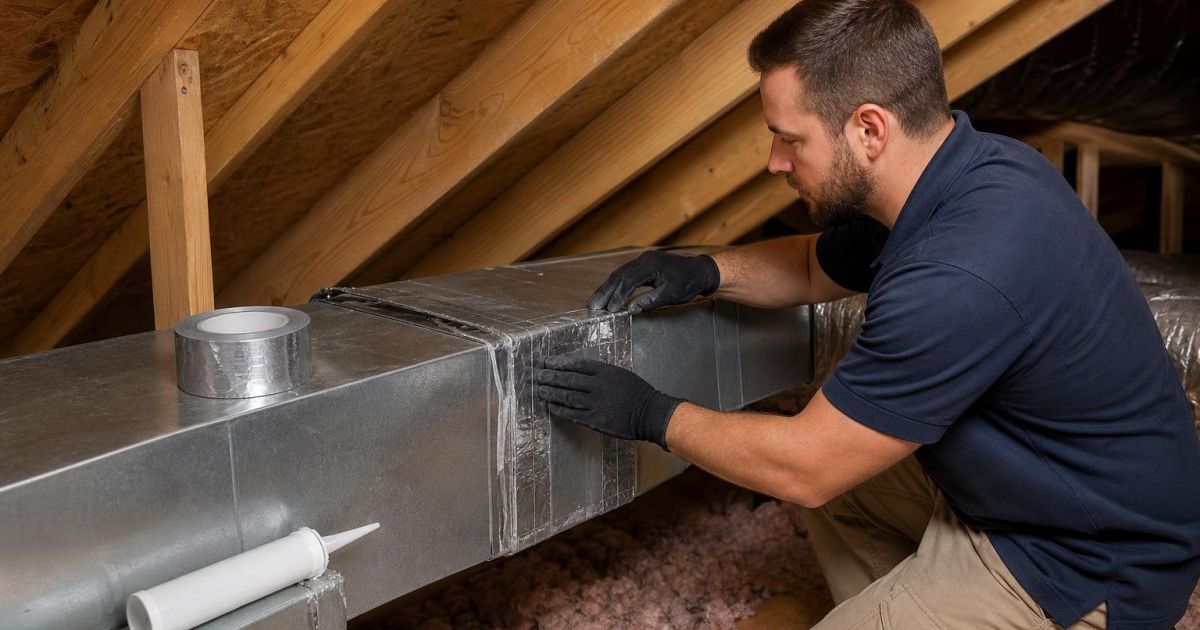
For most homes in North Florida, we recommend having your air ducts professionally inspected and cleaned every 3 to 5 years. However, you may need it sooner if you have pets that shed heavily, have recently completed a home remodeling project, or notice visible dust blowing out of your supply registers. Keeping your ductwork clean and in good repair prevents dirt buildup from circulating back into your living spaces and keeps your HVAC system running efficiently. Learn more about how this impacts your home by reading how air duct repair can improve your home’s air quality.
Conclusion
At Southern Air Cooling & Heating, we believe that your home should be a safe haven where your family can breathe easily and live comfortably. Since 1980, our family-owned business has provided North Florida with 5-star service built on honesty, quality, and community trust.
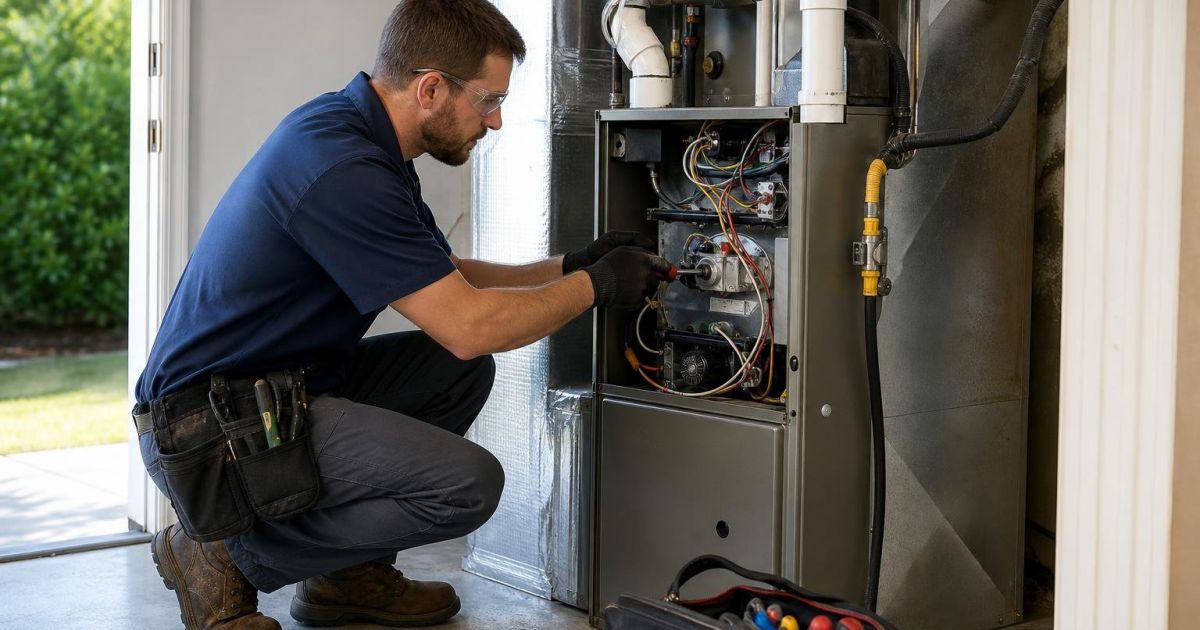
Whether you are in Palatka, Crescent City, Green Cove Springs, or Saint Augustine, we are here to help you navigate your home’s unique air quality challenges. From regular HVAC maintenance and duct repairs to installing advanced electronic air cleaners and dehumidifiers, our experienced team has the tools and expertise to make a lasting difference in your home’s health.
Protecting your heating and cooling systems is easy with our priority Comfort Club maintenance plans, and we always offer specials like $50 off repairs to keep your home running smoothly without breaking the bank.
Don’t let invisible pollutants compromise your family’s health and comfort. Take the first step toward a cleaner, healthier home and schedule professional indoor air quality services today with the trusted team at Southern Air Cooling & Heating.
Request Service
Please fill out the form below to request an estimate or schedule service.
"*" indicates required fields