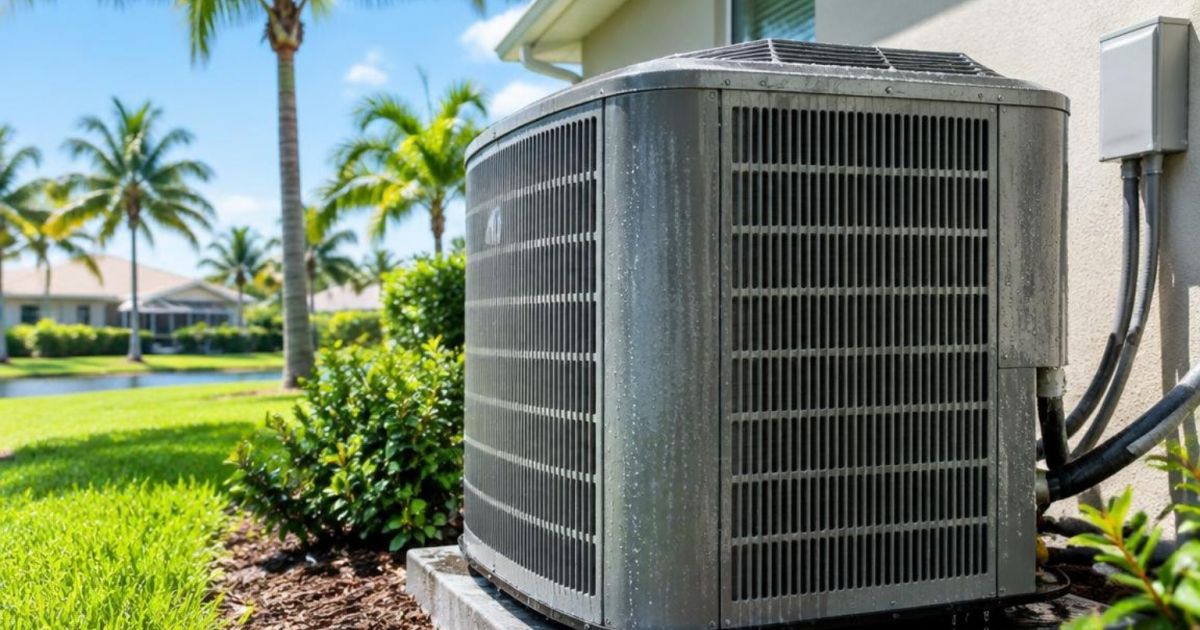
When Your AC Unit Compressor Not Kicking On Stops Your Cooling Cold
If your AC unit compressor not kicking on is the problem you’re dealing with right now, here are the most likely causes and what to do first:
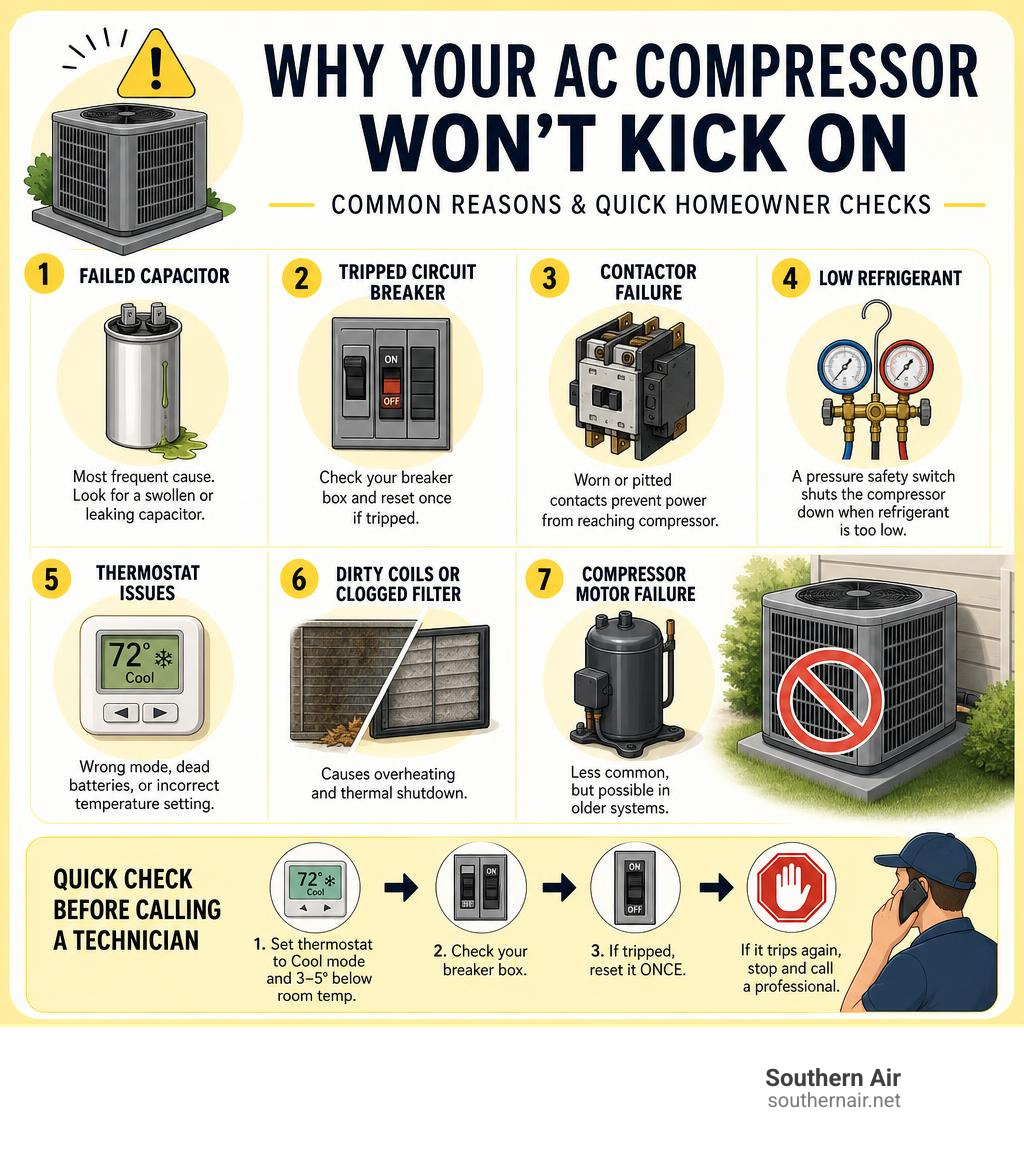
Most common reasons your AC compressor won’t kick on:
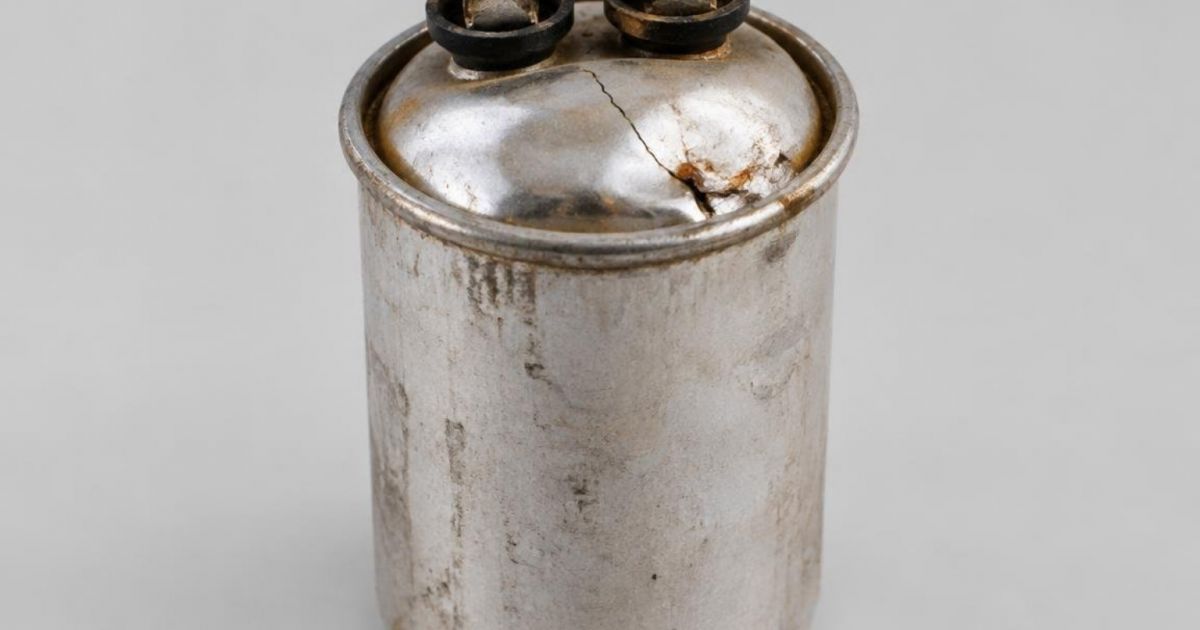
- Failed capacitor, the most frequent cause (~30% of cases); look for a swollen or leaking capacitor on the outdoor unit
- Tripped circuit breaker, check your breaker box and reset once if tripped
- Contactor failure, worn or pitted contacts prevent power from reaching the compressor
- Low refrigerant, a pressure safety switch shuts the compressor down when refrigerant is too low
- Thermostat issues, wrong mode, dead batteries, or incorrect temperature setting
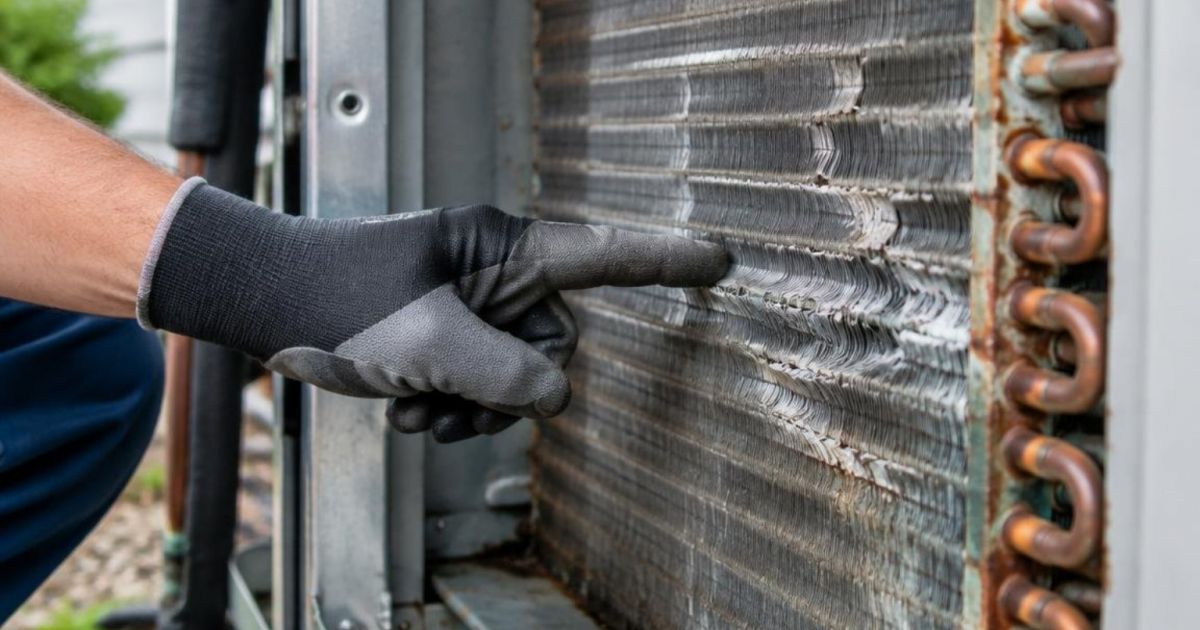
- Dirty condenser coils or clogged air filter, causes overheating and thermal shutdown
- Compressor motor failure, less common, but possible in older systems
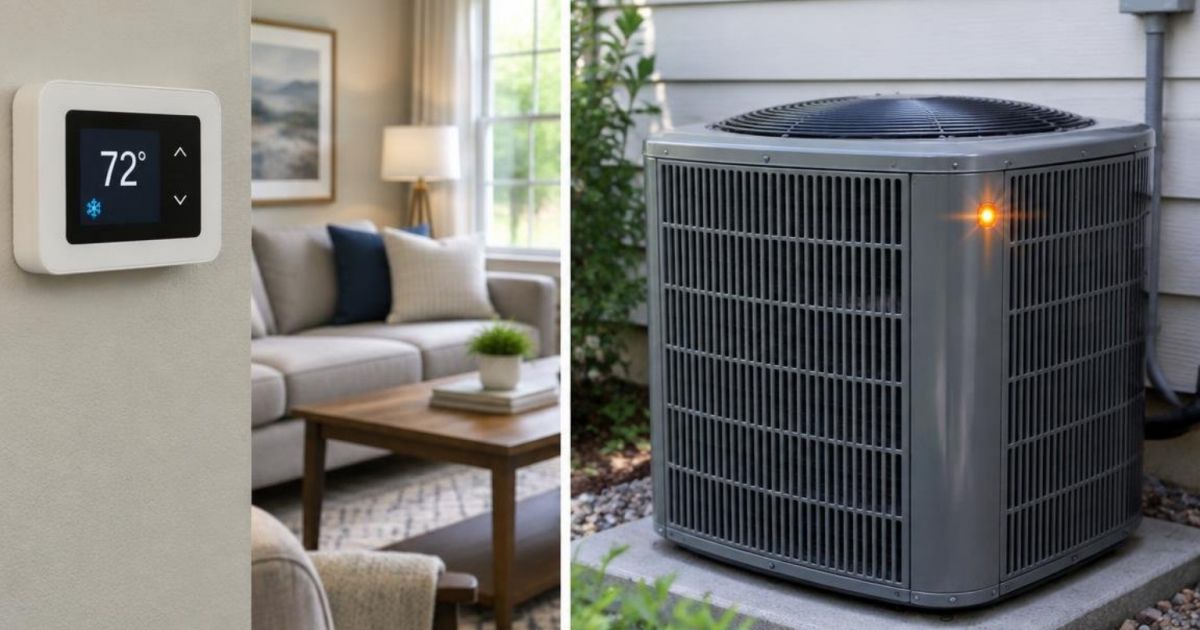
Quick check before calling a technician: Set your thermostat to Cool mode with the setpoint at least 3–5 degrees below room temperature. Then check your breaker box. If the breaker is tripped, reset it once. If it trips again, stop and call a pro.
You set the thermostat, hear the indoor unit hum to life, and wait. No cool air comes. You step outside and the outdoor unit is completely silent. That silence is the compressor telling you something is wrong, and in a Florida summer, it needs attention fast.
The compressor is the heart of your AC system. When it refuses to start, nothing else matters, the whole cooling process stops. The good news is that most no-start situations come down to a handful of fixable causes, and some of them you can check yourself before picking up the phone.
I’m Dustin Caison, President and CEO of Southern Air Cooling & Heating, a State Certified Air Conditioning Contractor with over two decades of hands-on HVAC experience serving North Florida, and an AC unit compressor not kicking on is one of the most common calls we respond to, especially during peak summer heat. In this guide, I’ll walk you through exactly how to diagnose the problem, what you can safely check yourself, and when it’s time to call a licensed technician.
Simple AC unit compressor not kicking on glossary:
- AC not kicking on in house
- AC not switching on
- AC unit not kicking on outside
What is an AC Compressor and Why is It Critical?
To understand why your air conditioner is suddenly acting like a giant, expensive paperweight, it helps to understand what the compressor actually does. If your air conditioning system were a living, breathing organism, the compressor would be its heart.
The primary job of the compressor is to circulate refrigerant throughout the system under high pressure. This refrigerant is the chemical messenger responsible for grabbing heat from inside your home and dumping it outdoors.
Here is how the magic happens in a healthy system:
- The Evaporator Coil (Indoor Unit): Low-pressure, cold liquid refrigerant absorbs heat from your indoor air, turning into a low-pressure gas.
- The Compressor (Outdoor Unit): The compressor takes this low-pressure gas and squeezes it. This pressurization turns the refrigerant into a high-pressure, highly concentrated hot gas.
- The Condenser Coil (Outdoor Unit): The outdoor fan blows air across the condenser coils, releasing the concentrated heat into the outdoor air. This causes the refrigerant to cool down and condense back into a high-pressure liquid.
- The Expansion Valve: The liquid refrigerant passes through an expansion valve, dropping its pressure and temperature, ready to start the cycle all over again.
Without a functioning compressor, the refrigeration cycle halts instantly. Your indoor blower fan might still run, but it will only circulate lukewarm, humid air. This is why keeping your compressor in peak shape through professional air conditioning services is so vital to your home comfort.
According to industry standards outlined by manufacturers, a compressor motor generally lasts the life of the system when properly maintained. However, because it operates under extreme pressures and temperatures, supporting electrical and mechanical components can wear down, preventing the compressor from starting. For a deeper look at compressor mechanics, you can read central AC compressor not turning on.
Why is Your AC Unit Compressor Not Kicking On?
When your AC unit compressor not kicking on leaves you sweating in your living room, the culprit is usually one of a few common electrical or mechanical issues.
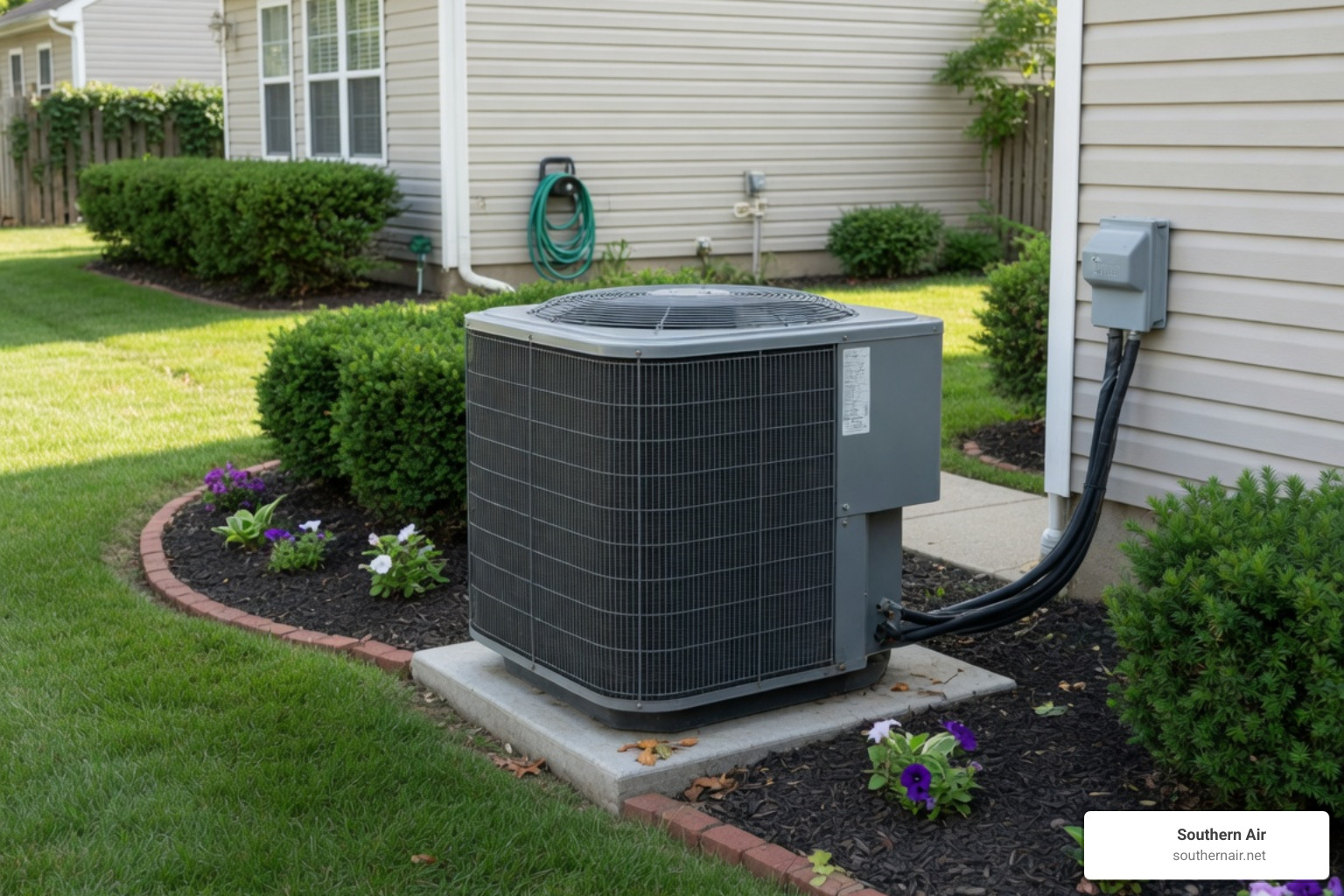
When we diagnose a silent outdoor unit in areas like Fleming Island or Green Cove Springs, we systematically look at several potential points of failure.
Here is a breakdown of the primary reasons your compressor refuses to start:
- Capacitor Failure: Capacitors act like temporary batteries that store up electrical energy. They provide the initial “jolt” of electricity needed to get the compressor motor spinning. Over time, extreme Florida heat degrades these components, causing them to swell, leak, or fail entirely.
- Contactor Wear: The contactor is an electrical switch that closes when your thermostat calls for cooling, allowing high-voltage power to flow to the compressor and outdoor fan. If the contactor’s metal plates become pitted, burnt, or dirty, the electrical connection fails.
- Tripped Circuit Breaker: Because your outdoor unit draws a significant amount of electrical current, any sudden power surge or electrical strain can trip the breaker in your main electrical panel.
- Low Refrigerant Levels: Your AC system is equipped with safety sensors, including a low-pressure switch. If your system has a refrigerant leak, the pressure drops. To protect the compressor from burning itself out due to a lack of lubrication (which is carried by the refrigerant), the safety switch shuts the compressor down.
- Thermostat Malfunctions: Sometimes the issue isn’t at the outdoor unit at all. A faulty thermostat, dead batteries, or a glitch in the control board can prevent the startup signal from ever reaching the outdoor unit.
Thermostat Settings to Check When Your AC Unit Compressor Not Kicking On
Before you assume the worst and start budgeting for a major repair, let’s look at the simplest link in the chain: your thermostat. It is surprisingly common for a simple setting mistake or a minor electrical glitch to prevent the compressor from starting.
If your outdoor unit is completely silent, perform these quick thermostat checks:
- Verify the Mode: Ensure the thermostat is firmly set to Cool. It sounds obvious, but a family member could have accidentally switched it to “Fan Only” or “Heat.”
- Check the Temperature Setpoint: Set the target temperature at least 3 to 5 degrees below your current indoor room temperature. If the setpoint is too close to the actual room temperature, the system may not trigger a cooling cycle.
- Replace the Batteries: If your thermostat has a blank screen or a low-battery indicator, replace the batteries immediately. Weak batteries can prevent the thermostat from sending the 24-volt signal required to close the contactor relay outside.
- Wait for the Delay: Most modern thermostats have a built-in 5-minute compressor delay to prevent “short cycling” (turning on and off too rapidly, which can damage the compressor). If you just turned the system off and on, give it a full five minutes to kick in.
If your indoor unit is running but the outside unit is completely unresponsive, you can read more troubleshooting tips in our guide on 8 reasons your AC won’t turn on and what to do next.
Electrical Failures Causing an AC Unit Compressor Not Kicking On
If your thermostat is verified and working, the issue is highly likely electrical. In fact, industry data shows that up to 80% of all AC service calls stem from electrical issues, with a massive portion of those involving the outdoor unit’s starting components.
Let’s look at the electrical chain of command that starts your compressor:
Thermostat sends 24V signal, the contactor relay closes, the capacitors release stored energy, and the compressor motor starts.
If any link in this chain breaks, your AC unit compressor not kicking on remains the frustrating reality.
- The Start and Run Capacitors: The start capacitor delivers a powerful surge of electricity to get the heavy compressor rotor moving. Once running, the run capacitor provides continuous, stable electrical current to keep it spinning. If either capacitor fails (which is highly common in hot climates like ours), you will often hear a faint humming sound from the outdoor unit as the compressor tries to start but fails.
- The Contactor Relay: Think of the contactor as a gatekeeper. When it receives a signal from the thermostat, a small magnetic coil pulls a metal bridge down to connect the high-voltage power lines to your compressor. If ants crawl into the contactor (a very common occurrence in Florida!) or if the metal contacts become pitted and burnt, the electrical current cannot cross the bridge.
- The Circuit Breaker and Disconnect Switch: Your outdoor condenser has two primary safety shutoffs: the circuit breaker in your home’s main panel and a weather-proof disconnect box located on the wall next to the outdoor unit. A sudden power surge, lightning strike, or internal electrical short will cause these safety devices to trip or blow a fuse.
- Damaged or Burnt Wiring: Exposed to the elements, rodents, and high operating temperatures, the wiring inside your condenser unit can become brittle, loose, or burnt. A single loose wire terminal can completely cut off power to the compressor motor.
Because these components handle lethal levels of high-voltage electricity (typically 240 volts) and capacitors can store a dangerous electrical charge even when the power is turned off, electrical diagnostics should always be handled with extreme caution. If you suspect an electrical failure in Elkton, FL, you can find professional help through the licensed technicians at Southern Air Cooling & Heating.
Safe DIY Troubleshooting Steps for Homeowners
While we strongly advise against opening electrical panels or handling refrigerant lines yourself, there are several safe, non-invasive troubleshooting steps you can take before calling in the pros.
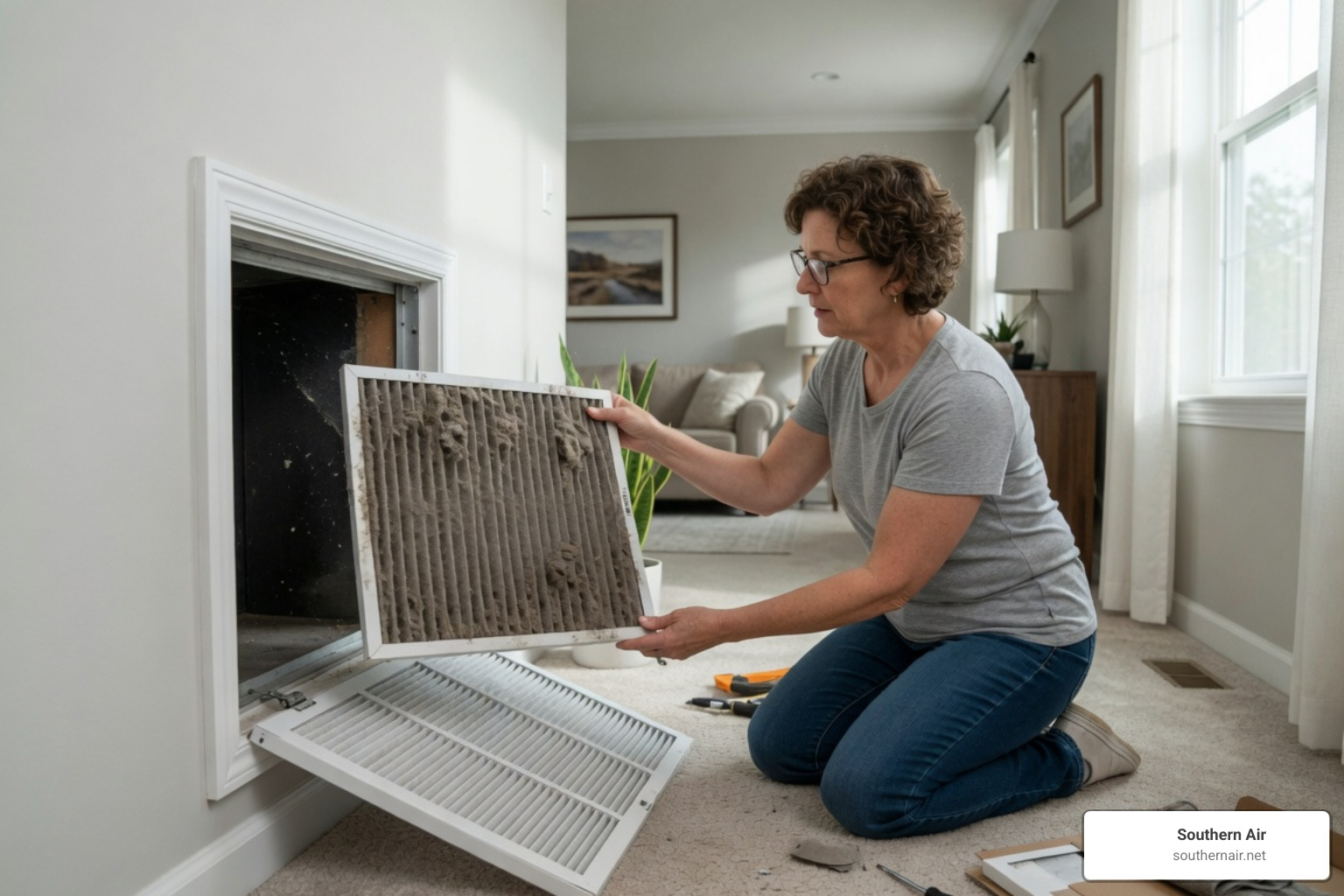
Taking these steps can save you time and potentially prevent an unnecessary service call:
- Step 1: Inspect and Replace Your Air Filter: A severely clogged air filter restricts airflow across your indoor evaporator coil. This lack of warm air causes the coil temperature to drop below freezing, turning the condensation on the coil into solid ice. This ice block restricts airflow even further, causing the system’s high-pressure or low-pressure safety switches to trip and shut down the outdoor compressor to prevent liquid refrigerant from flooding back into the motor. Replace your filter every 30 to 90 days to keep air moving freely.
- Step 2: Clear Debris Around the Outdoor Unit: Your outdoor condenser needs room to breathe. If leaves, grass clippings, weeds, or outdoor storage block the unit, the condenser cannot release heat. This causes the compressor to run incredibly hot, eventually tripping its internal thermal overload protector. Keep at least two feet of clear space around the entire outdoor unit.
- Step 3: Perform a Single Breaker Reset: Locate your main electrical panel. Find the circuit breaker labeled “AC” or “Condenser.” If it is tripped (sitting in the middle position), switch it completely to the OFF position, then flip it back to ON.
- Crucial Safety Warning: Only attempt this reset once. If the breaker immediately trips again, do not force it. A repeatedly tripping breaker indicates a direct electrical short or a failing compressor motor drawing dangerous levels of current. Forcing it can cause an electrical fire or severe equipment damage.
- Step 4: Check the Outdoor Disconnect Switch: Make sure the pull-out switch or breaker inside the small metal box mounted on the wall near your outdoor unit is fully inserted and in the “ON” position. Sometimes these switches are accidentally bumped or turned off during yard work.
By performing these basic checks, you can maintain your system’s efficiency and catch minor issues early. Learn more about keeping your system running smoothly with our guide on how to maintain your AC and furnace without losing your cool or schedule a professional check-up through our dedicated AC maintenance page.
Warning Signs Your Compressor is Failing vs. a Supporting Component
If your outdoor unit is acting up, how do you know if you are facing a simple $150 capacitor replacement or a major, multi-thousand-dollar compressor failure? Paying close attention to the specific sounds and behaviors of your system can give you a clear indication of what is happening under the hood.
Here are the classic warning signs that help differentiate a failed supporting component from a failing compressor:
- The Outdoor Unit Hums but Won’t Start: If you hear a distinct, loud humming noise from the outdoor unit every few minutes, followed by a click, your compressor is trying to start but cannot. This is almost always a sign of a failed run or start capacitor or a faulty contactor. However, if the capacitor is tested and proven healthy, this humming can indicate a locked rotor inside the compressor itself, meaning the mechanical pump is seized up.
- The Condenser Fan Runs, but the Compressor is Silent: If the outdoor fan blade is spinning happily but you hear absolutely no mechanical noise from the compressor, the compressor motor may have overheated and tripped its internal thermal overload switch. Once the compressor cools down (which can take several hours), it may try to start again. If it remains silent permanently, the compressor motor windings may be burnt out.
- The System is Blowing Warm Air: If your indoor vents are blowing warm, humid air, it means your refrigerant is not circulating. This can be caused by a failed compressor, a massive refrigerant leak, or a broken expansion valve. If your system is blowing hot air, you can read our detailed breakdown of causes in the cold hard truth about why your AC is blowing heat.
- Loud Clanging, Rattling, or Screeching Noises: If your compressor does start but makes a loud, metallic clanging or rattling sound, internal mechanical parts (like the piston or scroll spiral) are loose or damaged. A high-pitched screeching sound often indicates dangerously high pressure inside the system or worn-out motor bearings.
- Flickering Lights When the AC Starts: While a minor, split-second dim of your house lights can be normal when the AC kicks on, severe flickering or dimming indicates that the compressor is drawing massive amounts of starting current (known as Locked Rotor Amperage, or LRA) because it is struggling to break free and spin.
Repair Costs vs. System Replacement Decisions
When faced with a non-starting AC compressor, one of the most important decisions you will make is whether to repair the existing system or invest in a new unit. Because the compressor is the single most expensive component in your air conditioner, a failure here requires careful financial consideration.
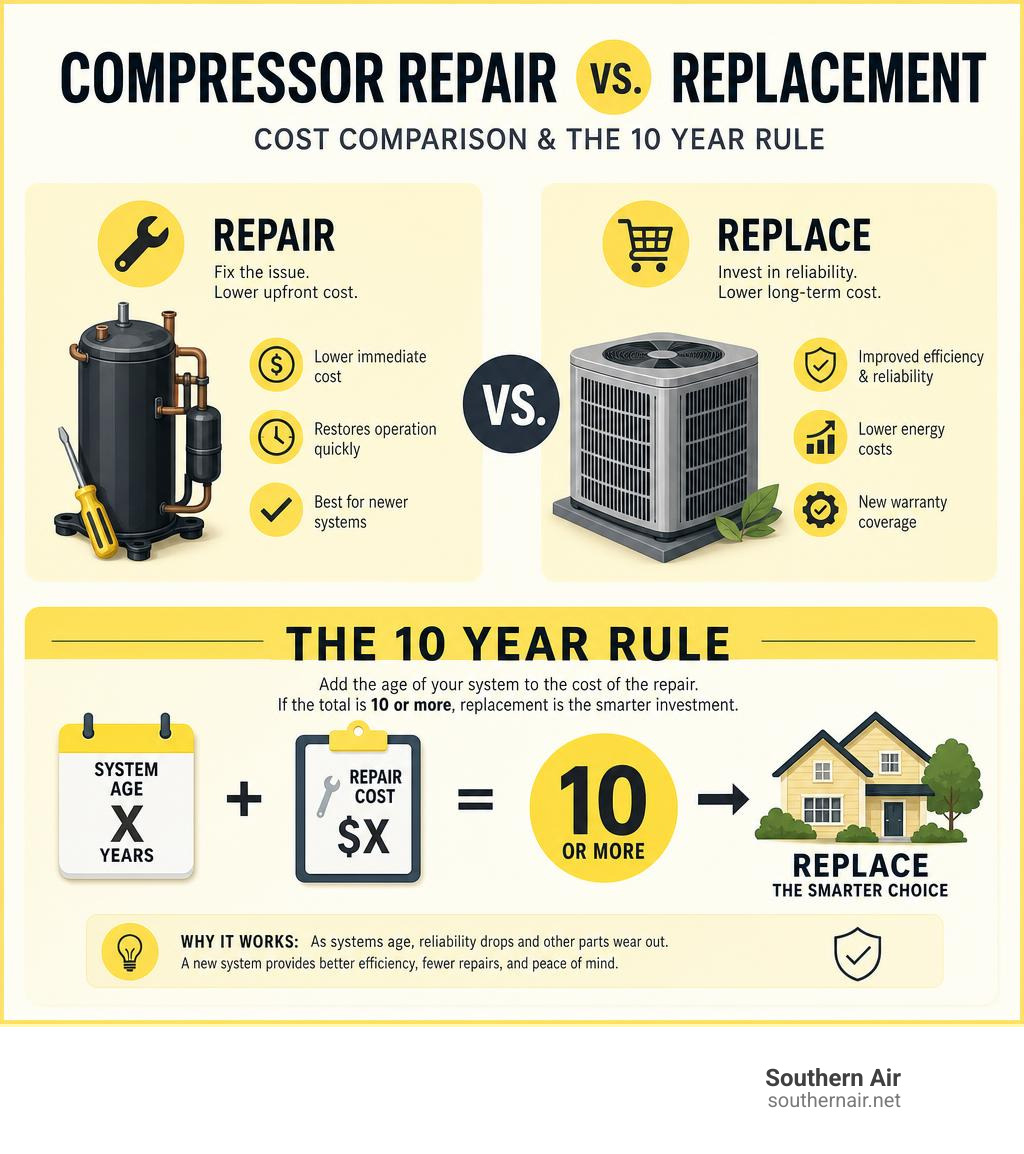
To help you visualize your options, let’s look at a comparison of typical repair costs for supporting components versus a full compressor replacement:
| Component / Service | Typical Cost Range (Out of Warranty) | Typical Lifespan | Recommendation |
|---|---|---|---|
| Start/Run Capacitor Replacement | $100 – $150 | 5 – 8 Years | Always repair immediately. |
| Contactor Relay Replacement | $120 – $200 | 5 – 10 Years | Always repair immediately. |
| Refrigerant Leak Repair & Recharge | $300 – $1,200+ | Varies | Repair if system is under 10 years old. |
| AC Compressor Replacement | $1,200 – $2,500+ | 12 – 15 Years | Replace if unit is over 10 years old. |
| Full AC System Replacement | $5,000 – $10,000+ | 12 – 15 Years | Best long-term value for older systems. |
When deciding between a major repair and a full system replacement, we recommend using the “10-Year Rule”:
- Is your system under 10 years old? If your compressor fails but the system is still covered under the manufacturer’s parts warranty, replacing the compressor is usually the smartest financial move. You will only have to pay for the labor and refrigerant recharge, which is significantly cheaper than a new system.
- Is your system over 10 years old? If your AC has crossed the decade mark, its overall efficiency has declined, and other major components (like the indoor evaporator coil or outdoor fan motor) are also nearing the end of their lifespans. Spending $2,000 to replace a compressor in a 12-year-old system is often a temporary fix, as other parts may fail shortly after. In this case, investing that money toward a new, highly efficient system with a fresh 10-year warranty is much more cost-effective.
Additionally, older systems manufactured before 2015 often run on R-22 refrigerant, which has been completely phased out due to environmental regulations. Finding and purchasing R-22 to recharge a repaired system is incredibly expensive and represents a poor long-term investment.
To understand the long-term financial impacts of delaying necessary HVAC services or making inefficient repair choices, read our article on the hidden costs of delaying HVAC service in Florida’s climate.
Frequently Asked Questions about Compressor Issues
How do I know if my compressor is bad or just the capacitor?
A failed capacitor and a failed compressor share very similar symptoms, namely, a silent outdoor unit or a persistent humming sound. However, a technician can easily tell the difference.
Visually, a bad capacitor will often have a bulged, swollen top (looking like a popped soda can) or show signs of oily fluid leaking from its terminals. A healthy capacitor will have a perfectly flat top.
To know for sure, an HVAC professional uses a digital multimeter to test the capacitor’s microfarads (µF) rating. If the reading is outside of the manufacturer’s specified range, the capacitor is bad. If a brand-new capacitor is installed and the compressor still hums, draws excessive amperage, and trips the breaker, the compressor itself is likely seized (locked rotor) or has damaged electrical windings.
Can I run my AC if the compressor isn’t working?
You can safely set your thermostat’s fan setting to “ON” to run the indoor blower fan. This will circulate air throughout your home, which can provide a slight breeze and help distribute air if you have portable fans or window units running.
However, you should never run the system in “Cool” mode if you know the compressor isn’t working. Running the system in cooling mode with a dead compressor will cause the indoor unit to run continuously as it tries in vain to reach your target temperature. This wastes significant amounts of electricity, puts unnecessary wear and tear on your indoor blower motor, and can cause the indoor evaporator coil to freeze up once the compressor is eventually repaired.
How long do AC compressors typically last?
In a perfect world, a well-maintained AC compressor can easily last 12 to 15 years. However, here in North Florida, our systems work incredibly hard. The extreme heat, high humidity, salty coastal air, and long cooling seasons mean our compressors run for thousands of hours every year.
Without regular maintenance, a compressor’s lifespan can be cut short to just 8 to 10 years. Acid buildup in the refrigerant, dirty coils that cause overheating, clogged air filters, and running with incorrect refrigerant charges are the primary “compressor killers” that cause premature failure. Regular seasonal tune-ups are the single best way to ensure your compressor reaches its maximum possible lifespan.
Conclusion
An AC unit compressor not kicking on is undoubtedly a stressful situation, but it doesn’t have to mean financial disaster. Whether your system simply needs a quick, affordable capacitor replacement or you are facing a bigger decision regarding a full system replacement, having a trusted, local expert by your side makes all the difference.
At Southern Air Cooling & Heating, we have spent over 43 years providing family-owned excellence and 5-star service to our neighbors throughout Palatka, FL, and surrounding communities like Crescent City, Satsuma, Welaka, Interlachen, and Green Cove Springs. We believe in honest pricing, clear communication, and never upselling you on repairs you don’t actually need.
Plus, we offer great ways to save, including $50 off repairs and our priority Comfort Club maintenance plans designed to keep your system running efficiently all year long.
If your outdoor unit is silent and your home is heating up, don’t sweat it out. Schedule professional AC repair with the friendly experts at Southern Air Cooling & Heating today, or contact us for help choosing the right next step.
Request Service
Please fill out the form below to request an estimate or schedule service.
"*" indicates required fields